Hey fellow history buffs and architecture enthusiasts! Michael here, ready to share some tips from my own travel adventures on how to truly appreciate the architectural wonders and historical significance of sites around the world. Whether you're a seasoned globetrotter or planning your first historical excursion, I hope these insights will help you make the most of your journey.
Preparing for Your Historical Site Visit
Before you even pack your bags, a little preparation can go a long way. I always kick things off with some good old-fashioned research. Delving into the historical context of a site is like setting the stage for an incredible performance. I try to understand the architectural styles present. Was it built during the Romanesque period, or does it showcase Gothic influences? Understanding these elements enriches the experience tenfold. I also dig into the history of the site's construction – who built it, and what significant events unfolded there?
Don't forget to check out what resources are available. Are there guided tours, informational brochures, or perhaps even online exhibits? And of course, a little practical planning never hurts. Check the opening times and be mindful of the weather. Trust me, exploring ancient ruins in the pouring rain isn't quite as magical as it sounds.
Observing Architectural Details
Once you're on site, it's time to put on your detective hat and really observe. I love to pay attention to the materials used in construction. Where did they come from, and what do they tell us about the resources available at the time? Identifying different architectural elements is like learning a new language. Arches, columns, facades – each has its own story to tell.
Scale and proportions are crucial too. How does the building's size impact your overall impression? And don't overlook the ornamentation and decorative features. What symbols are hidden within the carvings, and what do they reveal about the culture that created them? Finally, try to consider the building's context in time and space. How does it relate to the world around it, both then and now?
Engaging with Local Guides and Resources
One of the best ways to deepen your understanding of a historical site is to engage with local guides and resources. I always seek out local guides who can offer insights into the site's history and architecture that you won't find in any guidebook. Participating in guided tours is a fantastic way to gain a deeper understanding of the site's significance. Plus, you can ask questions and get personalized recommendations.
Local museums and cultural centers are treasure troves of information. They can provide valuable context and supplement your knowledge. And don't forget about local libraries and archives! You might be surprised at the historical documents and photographs you can uncover. Most importantly, talk to local residents. Hearing their personal stories and perspectives on the site can be incredibly enriching.
Documenting Your Experience
Documenting your experience is not just about creating memories; it's about solidifying your understanding and appreciation of the site. I always take photographs to capture architectural details and overall impressions. Sketching architectural elements can also be a great way to develop a deeper understanding of their form and function.
I also carry a small notebook to jot down notes and reflections on my observations and insights. Collecting souvenirs or mementos can serve as tangible reminders of your visit. And of course, don't forget to share your experiences and photos on social media or travel blogs to inspire others! Who knows, you might just spark someone else's passion for history and architecture.
Exploring Lesser-Known Architectural Wonders
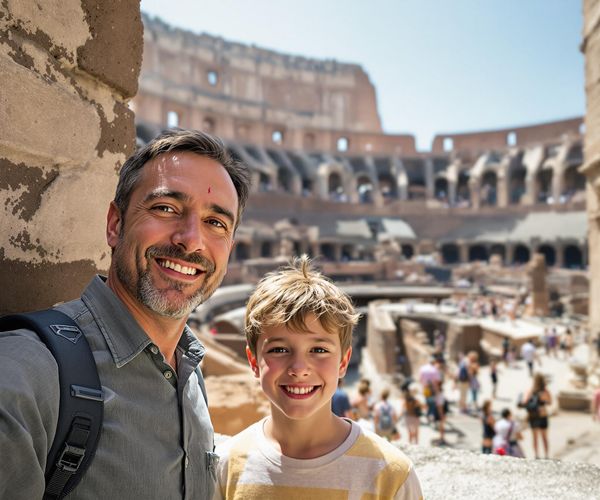
While the Eiffel Tower and the Colosseum are undoubtedly impressive, there's a whole world of lesser-known architectural wonders just waiting to be discovered. Venturing off the beaten path can lead to some truly unique and authentic travel experiences.
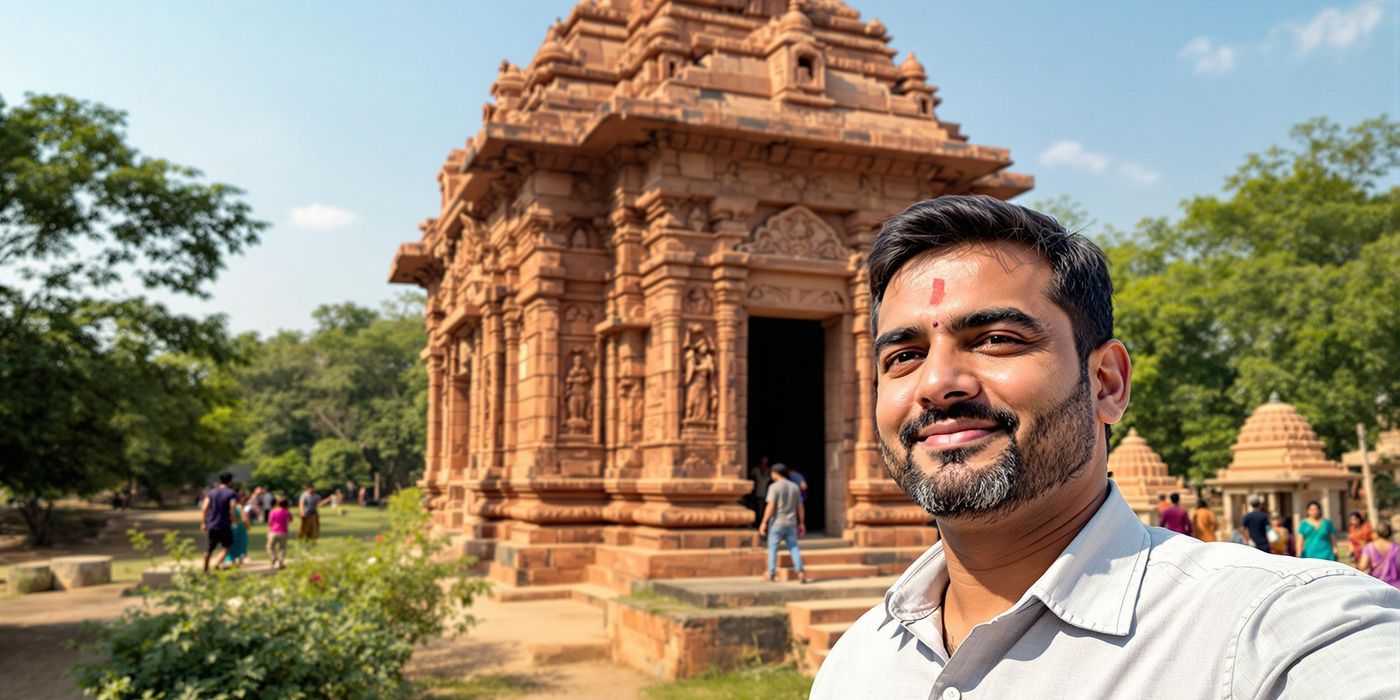
For example, have you heard of the Maluti Temples in Jharkhand, India? Or the Rock-Hewn Churches of Lalibela in Ethiopia? They're both incredible examples of human ingenuity and artistic expression. Also, the Hegra Archaeological Site of Al-Hijr in Saudi Arabia is not to be missed. These are the types of hidden gems that can make your travels truly unforgettable.
Michael shares tips on appreciating historical sites, from researching beforehand to engaging with local guides and exploring lesser-known architectural wonders.