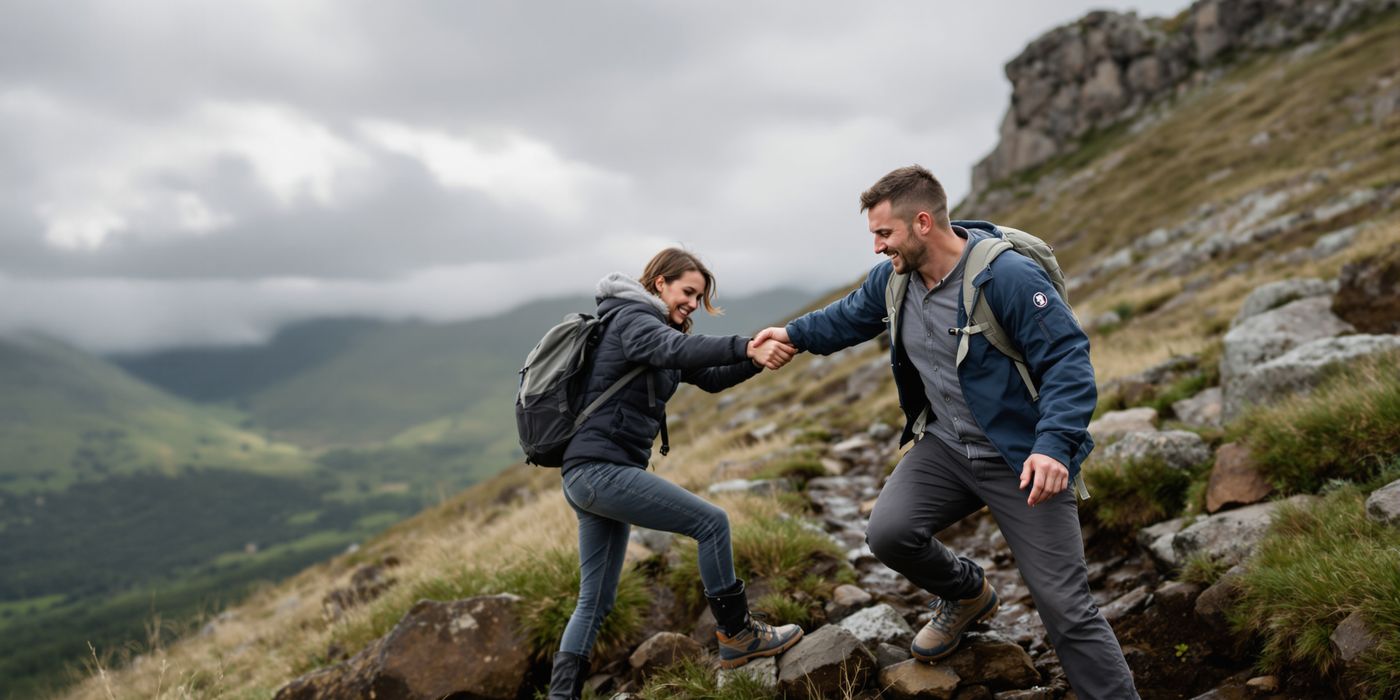
Planning Your Route: A Peak District Perspective
Before you even lace up your boots, meticulous planning is crucial. I can't stress this enough, especially when venturing into unpredictable environments like the Peak District. I remember one instance when Olivia, Ethan, and I were caught off guard by a sudden downpour that wasn't forecasted. Luckily, we had studied our route and knew of a nearby shelter. Proper planning saved the day!
Start by thoroughly researching your chosen trail. Understand the terrain, elevation gain, and potential hazards. Use resources like Ordnance Survey maps or apps like Komoot to visualize the route. Always check the weather forecast – and don't just glance at it. Pay attention to detailed reports, including wind speed, precipitation probability, and temperature fluctuations. The Peak District's weather can change dramatically in a matter of hours, so be prepared for anything.
I always carry a physical map and compass as a backup to my GPS device. Batteries can fail, and technology can be unreliable in remote areas. Familiarize yourself with basic map reading and compass skills. It could be a lifesaver!
Finally, and this is non-negotiable: inform someone of your hiking plans. Tell them your route, expected return time, and who to contact in case of emergency. This simple step can significantly expedite rescue efforts if something goes wrong.
Essential Gear: Packing for Safety and Comfort
Packing the right gear can make or break your hiking experience. It's not just about comfort; it's about safety. Here's my checklist of essentials:
- Navigation tools: Map, compass, and a GPS device with extra batteries.
- First-aid kit: A well-stocked kit with blister treatment, pain relievers, antiseptic wipes, bandages, and any personal medications.
- Emergency shelter: A lightweight bivy sack or emergency blanket can provide crucial protection from the elements.
- Appropriate clothing: Layering is key. Start with moisture-wicking base layers, add insulating mid-layers, and top it off with a waterproof and windproof outer shell. Avoid cotton, as it retains moisture and can lead to hypothermia.
- Sturdy hiking boots: Choose boots with good ankle support and aggressive tread for traction on varied terrain.
- Sufficient food and water: Pack high-energy snacks and carry enough water for the duration of your hike. Consider bringing a water filter or purification tablets as a backup.
Remember, it’s better to have something and not need it, than to need it and not have it.
Navigating the Trails: Staying on Course
Even with careful planning and the right gear, it's still possible to get disoriented on the trail. Here's how to stay on course and what to do if you find yourself lost:
- Master your navigation tools: Practice using your map, compass, and GPS device before hitting the trail. Familiarize yourself with common map symbols and compass bearings.
- Stay on marked trails: Stick to established trails whenever possible. Wandering off-trail increases your risk of getting lost and can damage fragile ecosystems.
- Pay attention to your surroundings: Regularly check your position on the map and note any landmarks along the way. This will help you retrace your steps if necessary.
If you do get lost, don't panic. The first thing I would do is to try and retrace my steps to the last known location. If that’s not possible:
- Use a whistle to signal for help: Six blasts, with an interval of one minute after every six blows, is the internationally recognized distress signal.
- Stay put: Don't wander aimlessly. Find a safe place to shelter and wait for rescue.
- Use your headlamp or flashlight: Especially if it's getting dark, a light can help rescuers spot you.
Emergency Preparedness: Handling the Unexpected
Accidents can happen even to the most experienced hikers. Knowing how to respond in an emergency can make all the difference.
- Basic first aid knowledge: Learn how to treat common hiking injuries, such as cuts, sprains, and blisters. Consider taking a wilderness first aid course.
- Emergency procedures: Stay calm, assess the situation, and prioritize safety. If someone is injured, provide first aid and call for help if necessary.
- Signaling for help: Use your whistle, flashlight, or a mirror to signal for help. If you have cell service, call emergency services.
- Building a fire: In a survival situation, fire can provide warmth, light, and a signal for rescuers. Learn how to build a fire safely and efficiently.
- Knowing when to turn back: Don't be afraid to abandon your hike if conditions deteriorate or you're feeling unwell. It's always better to be safe than sorry.
Peak District Specifics: Adapting to Local Conditions
Hiking in the Peak District presents unique challenges due to its unpredictable weather, varied terrain, and remote location. Here's what you need to know to stay safe in this beautiful but demanding environment:
- Unpredictable weather: Be prepared for sudden changes in weather, including rain, wind, and fog. Pack waterproof and windproof clothing, and check the forecast regularly.
- Local emergency resources: Familiarize yourself with local emergency resources, such as mountain rescue teams. In the UK, dial 999 or 112 and ask for mountain rescue.
- Appropriate clothing and gear: Choose clothing and gear that is appropriate for the Peak District's terrain and climate. Sturdy hiking boots with good ankle support are essential, as are waterproof and windproof layers.
- Defibrillator locations: Note the location of defibrillators in Peak District villages. You can find a list of locations on the British Heart Foundation website or by searching online.
The Peak District offers incredible hiking opportunities, but it's crucial to respect its unique challenges. By following these safety tips and preparing accordingly, you can ensure a safe and enjoyable adventure.
Essential safety tips and preparation advice for hikers of all levels, with a focus on the Peak District's unique challenges.