Hey everyone, Michael here! It's one thing to say you've ‘been’ somewhere, snapped a few pics, and ticked off the main sights. It's another thing entirely to truly experience a place, to feel its pulse, and connect with the people who call it home. That's what cultural immersion is all about, and I'm excited to share some tips on how you can dive deeper on your next adventure.
Beyond the Tourist Trail: Defining Cultural Immersion
Cultural immersion, in my book, goes way beyond just seeing the big landmarks. It’s about engaging with the locals, understanding their daily lives, and respecting their traditions. Think of it this way: a tourist sees, an immersive traveler experiences. It's the difference between snapping a photo of a local market and actually haggling for spices with the vendor, sharing a laugh, and learning about their family.
I remember when Olivia and I volunteered in Mexico years ago. We weren't just there to build houses; we lived with the community, ate their food, and tried our best to speak Spanish (which was… an adventure in itself!). That experience shaped us far more than any all-inclusive resort ever could. Similarly, living here in the UK, I've made a real effort to understand the local culture, from the traditions of afternoon tea to the passion for football. It's about more than just observation; it's about participation and respect.
Learning the Language: More Than Just Words
Okay, I know what you're thinking: “Learn a whole new language? Easier said than done, Michael!” And you’re right, becoming fluent takes time and dedication. But even learning a few basic phrases can make a world of difference. Imagine trying to order food in a tiny family-run restaurant in Italy if you don’t speak Italian.
When I first arrived in the UK, I made it a point to learn common phrases like “Cheers,” “Sorry,” and “How do you do?” It might sound trivial, but those little efforts opened doors and sparked conversations. People appreciate the effort, and it shows you’re genuinely interested in their culture. There are tons of great apps and online resources to help you get started, even if it's just mastering “hello,” “thank you,” and “where's the bathroom?”
Dining with the Locals: A Culinary Journey
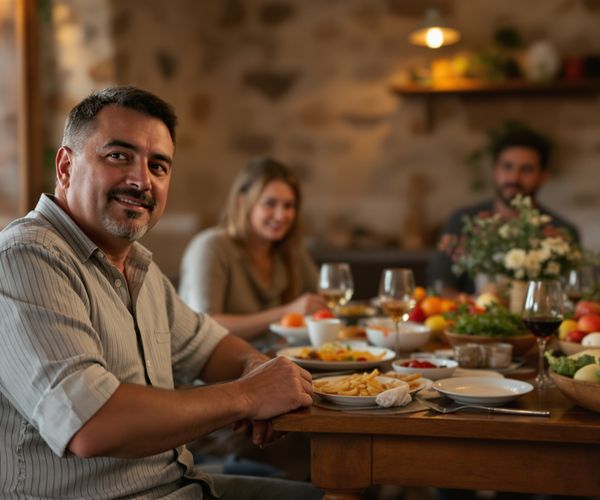
Forget the fancy restaurants catering to tourists. If you want to truly experience a culture, you’ve got to explore the local cuisine. Ditch the familiar and embrace the unknown!
Street food is a fantastic way to start. In many cities, you'll find vendors selling everything from tacos to dumplings to savory pastries. Don't be afraid to try something new! Local markets are another goldmine. You can sample regional specialties, chat with the vendors, and learn about the ingredients that make up the local dishes. If you’re feeling adventurous, take a cooking class! It’s a fun and interactive way to learn about the history and traditions behind the food. I remember taking a Mexican cooking class with Olivia. We learned how to make mole from scratch, and it was an absolute blast – and delicious!
Engaging with Traditions: Participate, Don't Just Observe
One of the most rewarding aspects of cultural immersion is participating in local customs and traditions. Whether it's a vibrant festival, a solemn ceremony, or a lively community event, these experiences offer a unique window into the heart of a culture.
However, it’s crucial to approach these situations with respect and sensitivity. Do your research beforehand to understand the significance of the event and any specific etiquette guidelines. Avoid cultural appropriation by being mindful of the origins and meanings behind the traditions. For example, when I attended a traditional Highland Games gathering in Scotland, I made sure to learn about the history of the games and show respect for the participants and their heritage.
Respecting Local Norms: A Guide to Cultural Sensitivity
Understanding and respecting local customs and etiquette is paramount when immersing yourself in a new culture. A little research can go a long way in avoiding cultural faux pas and building positive relationships with locals.
Dress codes can vary significantly from one place to another. In some cultures, modest clothing is expected, especially when visiting religious sites. Gestures and communication styles can also have different meanings in different cultures. A thumbs-up, for example, which is generally positive in Western cultures, can be offensive in other parts of the world. Similarly, direct eye contact might be considered respectful in some cultures but rude in others. Being mindful of these nuances can help you navigate social situations with grace and avoid unintentional offense.
Supporting the Local Economy: Travel with a Purpose
Finally, remember that your travel choices can have a significant impact on the local communities you visit. By supporting local businesses, artisans, and guides, you can contribute to the economic well-being of the area and help preserve its cultural heritage.
Instead of staying at large chain hotels, consider booking a room at a locally owned guesthouse or bed and breakfast. Shop at local markets and artisan shops instead of buying mass-produced souvenirs. Hire local guides who can share their knowledge and passion for their culture. You can also contribute to local conservation efforts and community development initiatives. Look for organizations that are working to protect the environment, support education, or promote sustainable tourism.
Learn how to dive beneath the surface and engage with the local culture during your travels.