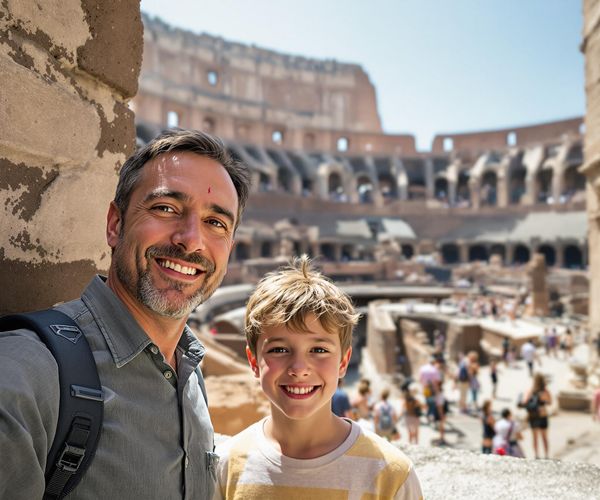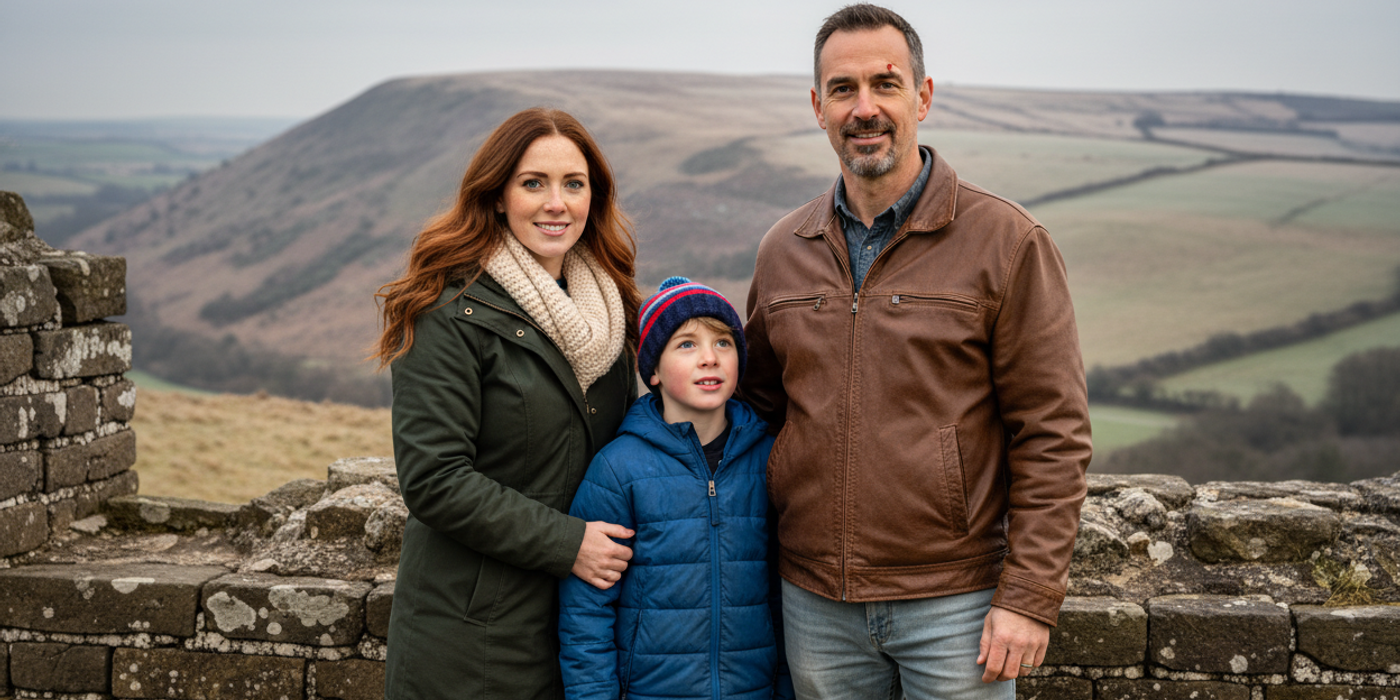
As a construction project manager, I'm naturally drawn to structures and the stories they hold. My family and I love exploring historical sites, and over the years, I've developed a few strategies to make these visits not just educational, but truly memorable. Whether you're a seasoned history buff or planning your first family trip to a historical landmark, these tips will help you make the most of your experience.
Pre-Visit Preparation: Laying the Groundwork
Before even setting foot on historical ground, the real adventure begins at home. I can't stress enough the importance of doing your homework. Dive into online resources, devour books, and maybe even watch a documentary or two. Tailor your research to what sparks your interest – whether it's the site's architecture, the social history of the time, or a particular historical figure. For example, when we were planning our trip to Hadrian's Wall, I focused on understanding Roman engineering and military strategy, while Olivia brushed up on the social dynamics of Roman Britain.
Don't forget the practical stuff! Always check the historical site's official website for the latest opening hours, special events, and accessibility information. There's nothing worse than arriving to find the site closed or an exhibit you were dying to see is under renovation. And, of course, consider everyone's interests when planning. Ethan, my son, isn't always thrilled with dry historical facts, so we make sure to include elements that appeal to him, like stories of battles or quirky historical anecdotes.
On-Site Engagement: Immersing Yourself in the Past
Once you're there, put down your phone (after taking a few photos, of course!) and really engage with the site. Guided tours are worth their weight in gold. A knowledgeable guide can bring the history to life with stories and insights you won't find in any guidebook. If you prefer exploring at your own pace, grab an audio guide. They allow you to delve deeper into the aspects that interest you most.
Take your time with the exhibits and displays. Read the descriptions, examine the artifacts, and let your imagination run wild. I like to close my eyes for a moment and try to picture what life was like during that period. What sounds would I have heard? What would I have smelled? Engaging all your senses can create a much more immersive experience.
Engaging Children: Making History Fun
Traveling with kids means you need to get creative to keep them engaged. One of our favorite tricks is turning the visit into a scavenger hunt. Before you go, create a list of things for them to find – a specific architectural detail, a coat of arms, or a particular type of artifact. This keeps them actively involved and makes learning feel like a game.
Storytelling is another powerful tool. Instead of just reciting dates and facts, bring historical figures and events to life with vivid descriptions and engaging narratives. Ethan loves hearing stories about knights, battles, and daring adventures. Let them take photos and create their own historical narratives. This gives them a sense of ownership and encourages them to think critically about what they're seeing.
Look for interactive exhibits and activities designed specifically for children. Many historical sites now offer hands-on displays, workshops, and costumed interpreters that can make learning fun and memorable.
Beyond the Obvious: Uncovering Hidden Gems
Don't just stick to the main attractions. Venture off the beaten path and explore the lesser-known areas of the historical site. You might be surprised at what you discover. I remember at the Tower of London, we stumbled upon a small exhibit about the ravens and their importance to the tower's history – it was fascinating!
Pay attention to the small details – the architecture, the landscape, the artifacts. These often tell a story that's just as compelling as the main narrative. Read the plaques and signs carefully. They often contain fascinating information about specific events and people. And don't be afraid to ask questions! The staff at historical sites are usually passionate about their subject and happy to share their knowledge. Seek out local stories and legends related to the site. These can add a layer of depth and intrigue to your visit.
Post-Visit Reflection: Consolidating the Experience
The learning doesn't stop when you leave the historical site. Discuss the visit with family and friends to share your insights and perspectives. What did you find most interesting? What surprised you? What questions do you still have? Review the photos and notes you took during the visit. This will help you remember the details and consolidate your learning. Read more about the historical site and related topics. This can help you deepen your understanding and connect the experience to broader historical themes. Finally, think about how the historical site relates to contemporary issues. History isn't just about the past – it's also about the present and the future.
Michael Garcia shares his time-tested strategies for enriching visits to historical sites, ensuring an engaging and educational experience for history enthusiasts and families alike.