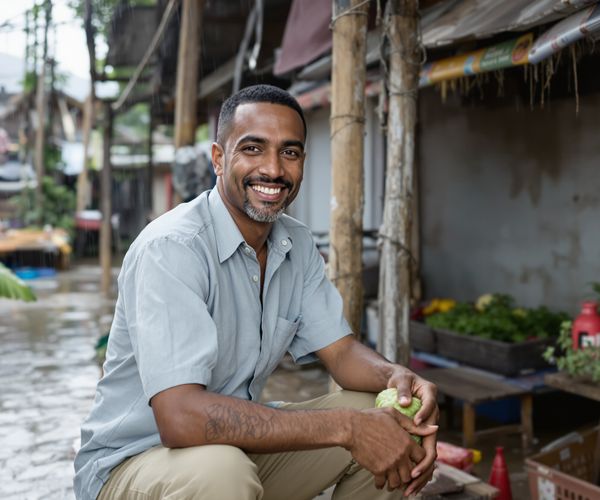
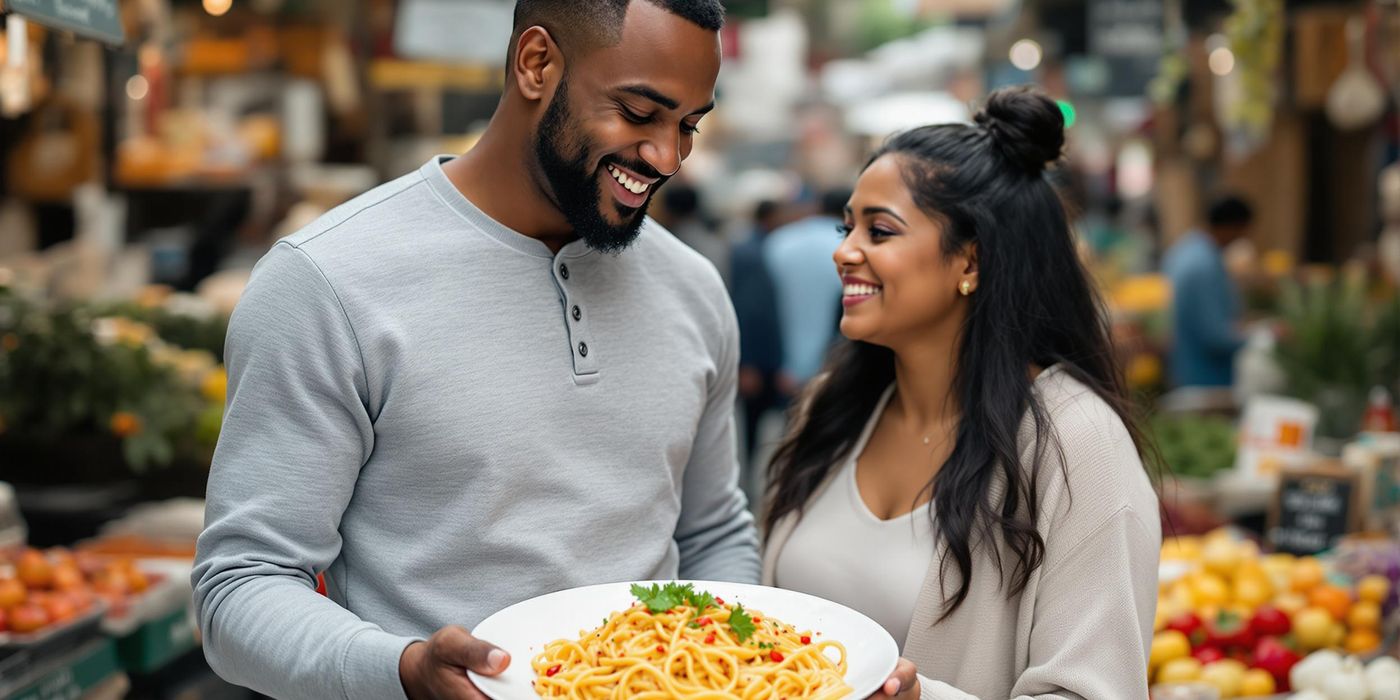
Hey everyone, Mohamed here! Ever dreamt of traveling the world, one delicious bite at a time? Well, you can! Join me on a culinary adventure as we explore global cuisines right from the comfort of our own kitchens. It's a fantastic way to broaden your cultural understanding, pick up new skills, and, of course, enjoy some amazing meals. Being from the Maldives, a place with its own vibrant food culture, I've always been fascinated by the stories and flavors of cuisines around the globe. Let's get cooking!
The Cultural Significance of Food
Food is so much more than just sustenance; it's a window into a culture's soul. It reflects a culture's history, traditions, and values. Think about it: a simple dish can tell a story of generations, of migration, and of adaptation. Take mole in Mexico, for example. This complex sauce, often made with chocolate and chilies, is a testament to the blending of indigenous and European ingredients and techniques. Or consider the dumplings prepared for Lunar New Year celebrations across Asia. Their shape and filling symbolize wealth and good fortune for the year ahead.
Growing up in the Maldives, food was always central to our gatherings. Fresh seafood, coconut milk, and fragrant spices were staples, reflecting our island environment and our connection to the sea. Every dish had a story, passed down through generations. I remember my grandmother teaching me how to make mas huni, a traditional breakfast dish made with shredded smoked tuna, coconut, and onions. It wasn't just about the ingredients; it was about family, tradition, and the love that went into every bite.
Essential Techniques for the At-Home Chef
Embarking on a global culinary journey doesn't require years of culinary school. Mastering a few basic cooking techniques can unlock a world of flavors. Sautéing, braising, and grilling are great starting points. Sautéing, for instance, involves cooking food quickly in a pan with a little oil, perfect for stir-fries or quick vegetable dishes. Braising, on the other hand, is a slow-cooking method that tenderizes tough cuts of meat and infuses them with flavor. Grilling adds a smoky char to everything from vegetables to seafood.
For my fellow senior home chefs, don't be afraid to adapt recipes to suit your dietary needs. Reducing salt and sugar is easy enough, and there are plenty of healthy ingredient substitutions you can make without sacrificing flavor. The key is to experiment and find what works best for you.
Building Your Global Pantry: Essential Ingredients
A well-stocked pantry is your passport to culinary adventures. Start by gathering essential oils and vinegars from around the world. Olive oil from Italy, sesame oil from Asia, and sherry vinegar from Spain can add depth and complexity to your dishes. Spices are equally important. Stock up on staples like cumin, coriander, turmeric, and chili powder. Don't forget about condiments like soy sauce, fish sauce, and sriracha, which can add umami and heat to your creations.
Whenever possible, opt for whole, unprocessed ingredients. Fresh vegetables, lean meats, and legumes are not only healthier but also more flavorful. Visit your local international markets or specialty stores to source authentic ingredients. You'll be surprised by the variety of products you can find, from exotic fruits and vegetables to artisanal cheeses and cured meats.
Navigating Ingredient Substitutions
Let's face it, sometimes finding that obscure ingredient called for in a recipe can feel like an impossible mission. But don't let that stop you! Ingredient substitutions are your friend. With a little creativity and resourcefulness, you can often find suitable alternatives that won't compromise the flavor of your dish.
For example, if a recipe calls for all-purpose flour and you only have bread flour, you can use it, but the texture might be slightly different. Butter can often be substituted with margarine or coconut oil, depending on the recipe. And vanilla extract can be replaced with other extracts like almond or maple.
There are also tons of online resources and communities dedicated to finding ingredient substitutions. A quick search can often yield several viable options. Don't be afraid to ask for help from fellow cooks or chefs; they might have some great ideas to share.
Regional Cuisine Spotlights: Recipes and Insights
Let's take a whirlwind tour of some of my favorite cuisines and share a simple, accessible recipe for each:
- Italian: Ah, Italy! Known for its pasta, pizza, and rich tomato sauces. A simple recipe? Spaghetti aglio e olio (spaghetti with garlic and oil). It's quick, easy, and bursting with flavor. Just sauté garlic in olive oil, add red pepper flakes, and toss with cooked spaghetti.
- Indian: The land of spices! Indian cuisine is incredibly diverse, with flavors ranging from mild to fiery. Try making a simple lentil curry (dal). It's a hearty and flavorful dish that's perfect for a chilly evening. Key ingredients: lentils, turmeric, cumin, and coriander.
- Thai: A symphony of sweet, sour, salty, and spicy flavors. Thai cuisine is all about balance. A great starter recipe is Tom Yum soup. This hot and sour soup is infused with lemongrass, galangal, and chili peppers.
- Mexican: Vibrant colors and bold flavors define Mexican cuisine. From tacos to enchiladas, there's something for everyone. Try making guacamole, a simple avocado dip that's perfect for parties. All you need is avocados, lime juice, onion, cilantro, and a pinch of salt.
Each of these cuisines has its own unique ingredient and flavor profiles. Italian cuisine relies heavily on tomatoes, olive oil, and herbs like basil and oregano. Indian cuisine features a wide array of spices, including turmeric, cumin, and coriander. Thai cuisine uses ingredients like lemongrass, galangal, and fish sauce to create complex flavors. And Mexican cuisine is known for its use of chili peppers, corn, and beans.
Beyond the Recipe: Immersing Yourself in Culinary Culture
Cooking is just the beginning. To truly immerse yourself in a culinary culture, explore other avenues. Watch cooking shows featuring chefs from around the world. Read food blogs and magazines to learn about new trends and techniques. Support local cultural events and restaurants. Attend a cultural festival or visit an ethnic neighborhood in your city. These experiences can deepen your understanding and appreciation of different cultures.
Food has the power to bring people together. It's a universal language that transcends borders and cultures. By sharing a meal with someone from a different background, you can build connections and create lasting memories. So, gather your friends and family, try a new recipe, and embark on a culinary adventure together!
Explore global cuisines from home with Mohamed! Discover cultural insights, essential techniques, and delicious recipes to spice up your kitchen adventures.