As a Maldivian now living in Toronto, I've always believed that travel is more than just seeing new places; it's about experiencing new cultures. And what better way to do that than through vibrant cultural festivals? My family and I have made it a point to immerse ourselves in these celebrations, both here in Canada and around the globe. These experiences have not only created lasting memories but have also enriched our understanding of the world. Let's explore some family-friendly cultural festivals that promise unforgettable adventures.
Introduction: The Allure of Cultural Festivals for Families
Cultural festivals are more than just colorful events; they're immersive classrooms that bring history, traditions, and community spirit to life. For families, they offer a unique opportunity to learn together, creating shared experiences that strengthen bonds and broaden horizons. Imagine your children not just reading about Diwali or Lunar New Year, but actively participating in the festivities, their eyes wide with wonder and excitement. These festivals provide a tangible connection to different cultures, fostering empathy and understanding in a way that textbooks simply can't.
Planning Your Festival Adventure: Key Considerations
Before you pack your bags, careful planning is essential. Start by researching festivals well in advance, paying close attention to the timing, location, and suitability for children. Consider the ages and interests of your kids when making your selection. Some festivals may be more physically demanding or involve late nights, so choose events that align with your family's capabilities and preferences.
Budgeting and travel arrangements are also crucial. Booking accommodations and transportation in advance can often save you money and ensure availability, especially during peak festival times. Look for family-friendly hotels or rentals that offer amenities like cribs, play areas, or kid-friendly menus. When it comes to flights, consider factors like layover times and baggage allowance, especially if you're traveling with young children.
Safety should always be a top priority. Check travel advisories for your destination and be aware of any potential health risks. Ensure that your family's vaccinations are up-to-date and consider purchasing travel insurance that covers medical emergencies and trip cancellations. Pack a basic first-aid kit with essentials like bandages, antiseptic wipes, and pain relievers.
As someone passionate about sustainable tourism, I encourage you to consider eco-friendly travel options. Look for accommodations that prioritize sustainability, such as hotels with energy-efficient practices or those that support local conservation efforts. When booking tours or activities, choose operators that adhere to responsible tourism principles, minimizing their environmental impact and supporting local communities. Consider offsetting your carbon footprint by donating to environmental organizations or investing in carbon-neutral travel options.
Festival Highlights: A Curated List of Family-Friendly Celebrations
Here are a few festivals that have captured my family's imagination and offered incredible cultural experiences:
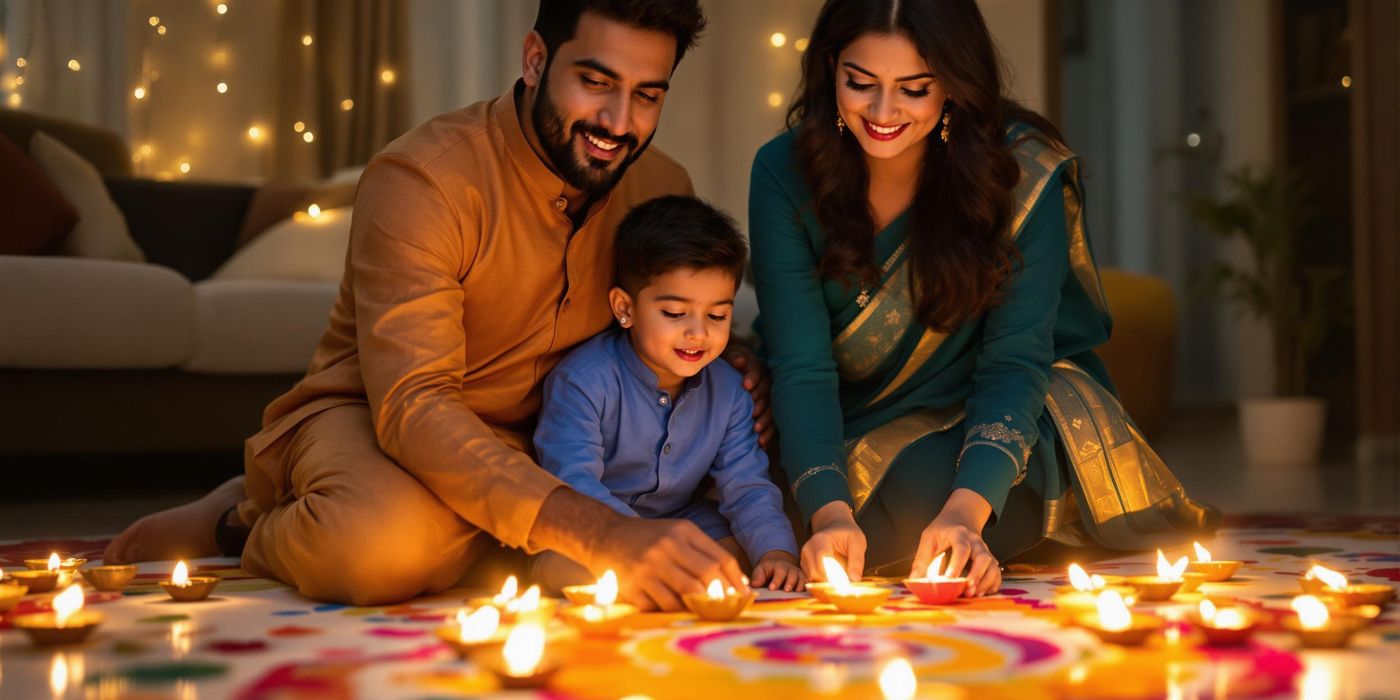
- Diwali (India): The Festival of Lights is a feast for the senses, with vibrant colors, delicious food, and dazzling fireworks. Families can participate in creating rangoli art, intricate designs made with colored powders, or making diyas, small clay lamps that symbolize the triumph of light over darkness. The spirit of generosity and community is palpable, making it a truly heartwarming experience.
- Lunar New Year (East Asia): This festival is a celebration of new beginnings, marked by family reunions, traditional customs, and plenty of delicious food. Enjoy lantern-making workshops, where you can create your own colorful lanterns to light up the night. Indulge in traditional foods like dumplings, which symbolize wealth and good fortune. The vibrant parades, lion dances, and dragon dances are sure to captivate children of all ages.
- Holi (India): The Festival of Colors is an explosion of joy and laughter, as people playfully throw colored powders at each other. It's a celebration of the arrival of spring and the triumph of good over evil. To ensure safe participation, wear old clothes that you don't mind getting stained, and protect your eyes with sunglasses. The energy is infectious, and it's impossible not to get caught up in the fun.
- Songkran (Thailand): The Water Festival is a unique and exhilarating way to celebrate the Thai New Year. People take to the streets with water guns and buckets, engaging in friendly water fights. While it's all in good fun, it's important to be mindful of safety. Avoid spraying water at monks or the elderly, and be respectful of local customs. The water symbolizes cleansing and renewal, washing away the old and welcoming the new.
- Day of the Dead (Mexico): This festival is a beautiful and poignant tribute to departed loved ones. Families create altars adorned with flowers, candles, and offerings of food and drink. Participate in parades, where people dress up in elaborate costumes and celebrate the lives of those who have passed on. The atmosphere is both festive and reverent, offering a unique perspective on death and remembrance.
- Cherry Blossom Festival (Japan): This festival is a celebration of the fleeting beauty of nature, as cherry trees burst into bloom. Pack a picnic and enjoy a leisurely afternoon under the blossoming trees. Participate in traditional tea ceremonies and appreciate the delicate flavors and rituals. The festival symbolizes new beginnings and the ephemeral nature of life.
Navigating Cultural Differences: Respect and Etiquette
When attending cultural festivals, it's essential to be respectful of local customs and traditions. Before you go, research the cultural norms of the region and be mindful of appropriate behavior, dress code, and communication with locals. Dress modestly and avoid wearing revealing clothing, especially in religious sites. Learn a few basic phrases in the local language, such as hello, thank you, and excuse me. This small gesture can go a long way in showing respect and building rapport with locals.
Teach your children about cultural sensitivity and understanding. Explain that different cultures have different customs and beliefs, and that it's important to be open-minded and accepting of these differences. Encourage them to ask questions and learn from their experiences. If you encounter any cultural misunderstandings, take the opportunity to learn from them and educate your children about the importance of cultural awareness.
Language barriers can sometimes pose a challenge, but don't let them deter you. Use gestures, facial expressions, and translation apps to communicate with locals. Be patient and understanding, and remember that most people are willing to help if you make an effort to communicate. Embrace the opportunity to learn new words and phrases, and encourage your children to do the same.
Enhancing the Experience: Educational Activities for Kids
To make the most of your cultural festival experience, consider incorporating educational activities for your kids. Before the trip, read books, watch documentaries, or visit museums related to the culture you'll be exploring. This will provide your children with a foundation of knowledge and spark their curiosity. During the festival, engage your children in scavenger hunts, journaling, or photography. Encourage them to document their experiences, ask questions, and reflect on what they've learned. After the festival, create scrapbooks or presentations to reinforce learning and encourage reflection. This will help your children retain the information and share their experiences with others.
Given my passion for marine biology, I'm always on the lookout for festivals related to ocean conservation or marine life. Consider attending events like World Oceans Day celebrations, which often feature educational exhibits, beach cleanups, and opportunities to learn about marine ecosystems. These festivals can be a great way to combine cultural immersion with environmental awareness.
Cultural festivals offer families an incredible opportunity to create lasting memories, broaden their horizons, and foster a deeper understanding of the world. By planning carefully, respecting local customs, and engaging in educational activities, you can transform these events into truly enriching experiences for your entire family.
Discover family-friendly cultural festivals that offer immersive experiences and unforgettable memories. Learn how to plan, respect local customs, and enhance the educational value for your kids.