As a Maldivian living in Canada, I've always felt a strong pull towards my roots. Sharing the vibrant culture and traditions of my homeland with my son, Zayn, is incredibly important to me and my wife, Aisha. We believe that travel is one of the most powerful tools for cultural education and preservation. It's about more than just seeing new places; it's about connecting with the stories, the people, and the traditions that shape our world. Join me as I explore how family travels can help preserve heritage and pass traditions to future generations.
The Essence of Heritage Travel
Heritage travel, at its core, is about connecting with our origins. It’s a journey that allows families to delve into their history, understand their cultural identity, and appreciate the richness of human experience. For my family, heritage travel means more than just visiting the Maldives; it's about immersing ourselves in the traditions, values, and stories that have shaped generations. It’s about understanding where we come from and instilling a sense of pride and responsibility in Zayn for preserving our cultural legacy.
Travel plays a vital role in understanding cultural identity and family history. By visiting ancestral lands, exploring historical sites, and engaging with local communities, we gain a deeper understanding of our roots. We learn about the challenges and triumphs of our ancestors, the customs they practiced, and the values they held dear. This knowledge helps us to build a stronger sense of self and a greater appreciation for our cultural heritage.
Preserving cultural heritage is not just a sentimental endeavor; it’s a crucial responsibility. As globalization continues to reshape our world, many unique cultures are at risk of being lost. By actively engaging in heritage travel, we can help to ensure that these traditions are passed down to future generations. We can support local communities, promote cultural awareness, and foster a sense of pride in our shared human heritage.
Planning a Culturally Immersive Family Trip
Planning a heritage-focused family trip requires careful consideration and research. It's not just about picking a destination; it's about creating an experience that will resonate with everyone in the family, regardless of age or interest. Start by researching destinations that have strong ties to your family's heritage. Consider the historical events, cultural traditions, and ancestral homelands that have shaped your family's story.
Involving children in the planning process is a great way to foster excitement and engagement. Ask them what they're interested in learning about their heritage. Let them help choose activities, research historical sites, or even learn a few basic phrases in the local language. This will make them feel like active participants in the journey and help them connect with their heritage on a deeper level.
When selecting activities, it's important to consider the age and interests of all family members. A visit to a historical museum might be fascinating for adults, but it could quickly become boring for young children. Look for activities that are interactive, engaging, and fun for everyone. Consider attending a local festival, taking a cooking class, or visiting a traditional craft workshop.
Experiencing Heritage Firsthand
Once you've arrived at your destination, it's time to immerse yourselves in the local culture. Visiting historical sites, museums, and cultural centers is a great way to learn about ancestral traditions. Explore ancient ruins, wander through historical neighborhoods, and listen to the stories of the past. Don't just read the plaques; try to imagine what life was like for your ancestors and how they lived their lives.
Participating in local festivals, ceremonies, and community events is another fantastic way to experience heritage firsthand. These events offer a unique opportunity to witness cultural traditions in action and connect with local communities. Attend a traditional dance performance, participate in a religious ceremony, or join a community celebration. Be respectful, be open-minded, and be prepared to learn something new.
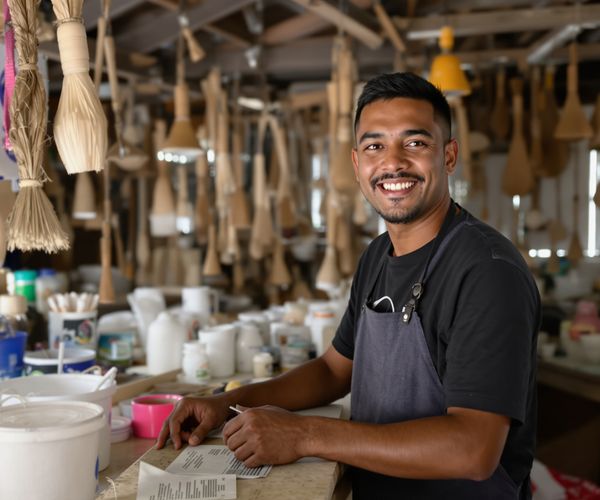
Engaging with local artisans and craftsmen is a wonderful way to support cultural preservation efforts. Visit local markets, craft workshops, and art galleries to see the work of talented artisans. Learn about the traditional techniques they use and the stories behind their creations. By purchasing their products, you're not only acquiring a unique souvenir, but you're also helping to ensure that these traditions continue to thrive.
The Role of Cuisine in Cultural Preservation
Food is an integral part of any culture, and exploring traditional cuisines is a delicious way to connect with your heritage. Try local dishes and learn about the stories behind them. What ingredients are used? How are they prepared? What role does food play in local customs and traditions?
Every dish tells a story, and by savoring the flavors of your heritage, you're not only nourishing your body, but also your soul. Take a cooking class and learn how to prepare traditional dishes yourself. Visit local markets and sample the fresh, local ingredients. Talk to the chefs and food vendors and learn about their culinary traditions.
Supporting local restaurants and food vendors is a great way to preserve culinary traditions. By choosing to eat at locally owned establishments, you're helping to ensure that these traditions continue to thrive. You're also supporting the local economy and helping to create jobs in the community.
Sustainable Travel Practices for Cultural Preservation
When traveling to explore your heritage, it's important to do so in a sustainable and responsible way. This means choosing eco-friendly accommodations and transportation options to minimize your environmental impact. Look for hotels that have implemented sustainable practices, such as using renewable energy, conserving water, and reducing waste. Consider using public transportation, walking, or biking to get around.
Respecting local customs and traditions is also essential for avoiding cultural commodification. Be mindful of the way you dress, the way you speak, and the way you interact with local people. Avoid taking photos without permission, and be respectful of sacred sites and religious practices. Remember that you are a guest in their community, and it's important to behave accordingly.
Supporting sustainable tourism initiatives that benefit local communities is another great way to contribute to cultural preservation. Look for tour operators that employ local guides, support local businesses, and contribute to community development projects. By choosing to travel with these companies, you're helping to ensure that your tourism dollars are directly benefiting the people who live there.
Sharing and Documenting Your Heritage Travel Experiences
Once you've returned from your heritage travel adventure, it's important to share your experiences with others. Creating a family story map or scrapbook is a wonderful way to record your journey and discoveries. Include photos, journal entries, maps, and souvenirs. This will serve as a lasting reminder of your trip and a valuable resource for future generations.
Sharing your experiences with others through social media, blogs, or presentations is a great way to inspire other families to embark on their own heritage travel adventures. Share your photos, videos, and stories with the world. Let others know what you learned, what you experienced, and why it was so meaningful to you.
By sharing your heritage travel experiences, you can help to promote cultural awareness, foster a sense of global citizenship, and inspire others to connect with their roots. You can help to ensure that these traditions are passed down to future generations and that the richness of human experience is celebrated for years to come.
Explore how family travels preserve cultural heritage, connecting generations through immersive experiences and traditions.