As a father who was raised in Mali and now lives in Montreal, I've always believed that travel is one of the most powerful tools we have to educate our children about the world. My wife, Fatoumata, and I have made it a priority to expose our kids, Aminata and Ibrahim, to different cultures, not just through books and movies, but through immersive travel experiences. We've found that these experiences not only broaden their horizons but also foster empathy, open-mindedness, and a deep appreciation for diversity. Here's how we approach teaching our kids about global diversity through travel.
Planting the Seeds of Cultural Curiosity Before You Go
The journey begins long before we even pack our bags. We make it a point to introduce our children to the culture, history, and customs of our destination well in advance. This involves more than just flipping through a guidebook; it's about creating a sense of excitement and anticipation.
- We involve Aminata and Ibrahim in the planning process, encouraging them to research local customs, traditions, and history using a variety of resources, including books, movies, and music. For example, before our trip to Japan, we watched Studio Ghibli films together and learned about origami.
- Learning a few basic phrases in the local language is another crucial step. Even simple greetings like Bonjour, Hola, or Konnichiwa can go a long way in fostering connection and demonstrating respect. It shows that we're making an effort to understand and appreciate the local culture.
Engaging All Senses: Immersive Experiences for Young Explorers
Once we arrive at our destination, we strive to create immersive experiences that engage all of our children's senses. This means venturing beyond the typical tourist attractions and seeking out opportunities to connect with the local culture on a deeper level.
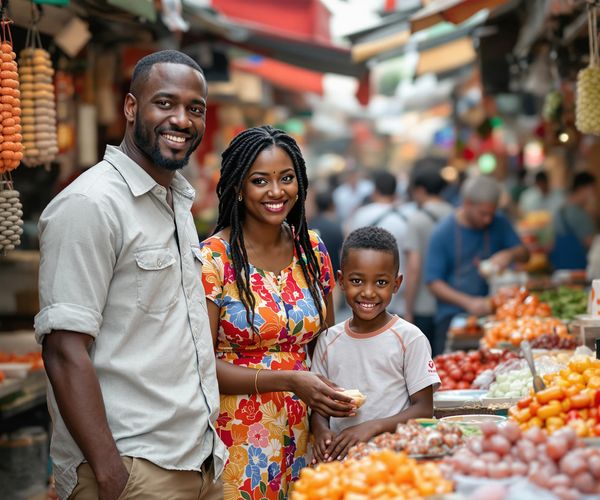
- Visiting local markets and artisan shops is a fantastic way to experience the culture through sights, smells, tastes, and sounds. We encourage Aminata and Ibrahim to interact with local vendors, sample new foods, and ask questions about the products they're selling. These interactions provide valuable insights into the local way of life.
- Attending local festivals and celebrations is another unforgettable experience. Whether it's a traditional dance performance in Bali or a vibrant street parade in Brazil, these events offer a glimpse into the rich tapestry of local traditions and customs.
Making History Fun: Museums and Landmarks Through a Child's Eyes
Museums and historical sites can be incredibly enriching experiences for children, but it's important to approach them in a way that sparks their curiosity and keeps them engaged. We've found that interactive exhibits and storytelling are key to making history come alive for Aminata and Ibrahim.
- When visiting museums, we focus on exhibits that allow children to touch, explore, and experiment. Many museums now offer dedicated children's areas with hands-on activities that make learning fun and interactive.
- We also share stories and historical anecdotes related to the places we visit. Before visiting the pyramids in Egypt, we read stories about pharaohs and ancient Egyptian mythology. This helped to bring the past to life and make the experience more meaningful for our children.
- Turning museum visits into scavenger hunts is another great way to encourage close observation and engagement. We create a list of things for Aminata and Ibrahim to find within the museum, such as a specific artifact or a particular painting. This keeps them focused and motivated throughout the visit.
Beyond the Tourist Trail: Connecting with Locals
One of the most rewarding aspects of travel is the opportunity to connect with people from different backgrounds. We actively seek out opportunities for Aminata and Ibrahim to interact with local children and families, whether it's in parks, community events, or cultural workshops.
- Participating in cultural workshops and hands-on experiences, such as pottery, weaving, or cooking classes, is a fantastic way to learn about local traditions firsthand. These activities provide a unique opportunity to interact with local artisans and learn about their craft.
- Sharing meals with local families is another powerful way to break down barriers and foster understanding. We've been invited into people's homes for dinner on several occasions, and these experiences have been some of the most memorable of our travels.
Open Conversations: Discussing Differences and Similarities
Travel provides countless opportunities to discuss cultural differences and similarities with our children. We encourage Aminata and Ibrahim to ask questions about everything they see and experience, and we do our best to answer them honestly and thoughtfully.
- We discuss topics like local customs, traditions, and the meaning behind traditional clothing. We also address stereotypes and misconceptions openly and honestly. It's important to create a safe space where children feel comfortable asking questions and expressing their opinions.
Reflecting on the Journey: Turning Experiences into Lasting Lessons
The learning doesn't end when we return home. We make it a point to engage in conversations about what Aminata and Ibrahim learned during our travels and how their perspectives have changed.
- We encourage them to share their experiences with friends and family, and we continue to explore different cultures through books, movies, music, and other resources. By keeping the conversation going, we help to ensure that the lessons learned during our travels become lasting values.
Explore how travel can educate children about global cultures and diversity. Discover tips for cultural activities, museum visits, and conversations that promote understanding.