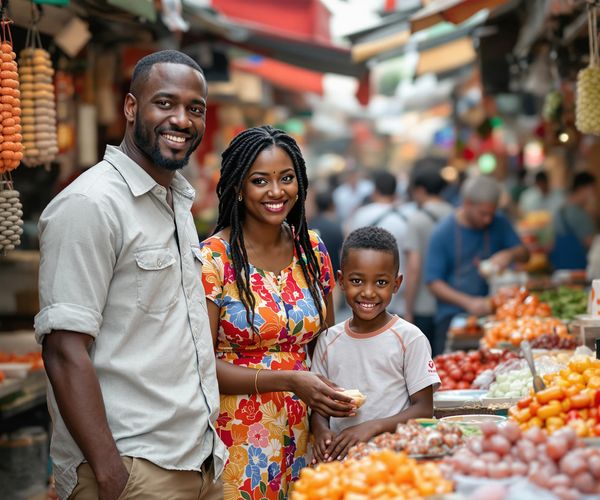
As a father and a software developer with a passion for photography, I've learned that capturing family travel memories is an art. It’s about more than just pointing and shooting; it’s about telling a story, preserving a moment, and sharing an experience. Join me as I share some tips on how to take stunning travel photos with your family, creating memories that will last a lifetime.
Choosing the Right Camera for Your Family
Selecting the right camera is the first step in your family photography journey. The best camera isn't always the most expensive one; it's the one that suits your needs, budget, and skill level. Let's explore some options that cater to different requirements.
- Smartphone Cameras: In today's world, smartphones boast impressive camera capabilities. They are convenient, always with you, and offer excellent image quality for casual family travel photography. Modern smartphones often include features like portrait mode, wide-angle lenses, and impressive low-light performance. They are perfect for spontaneous shots and everyday moments.
- Compact Cameras: If you're looking for something more than a smartphone but still want portability, a compact camera is a great choice. These cameras offer better zoom capabilities, larger sensors for improved image quality, and more manual controls compared to smartphones. Models like the Canon PowerShot G7X Mark III are known for their excellent image quality and user-friendly interface.
- Mirrorless Cameras: For the more serious enthusiast, mirrorless cameras offer a fantastic balance of image quality, performance, and size. They have interchangeable lenses, allowing you to adapt to various shooting situations. Cameras like the Sony α7C II provide excellent image quality in a compact body, making them ideal for travel. They are also known for their fast autofocus and impressive video capabilities.
- DSLRs: DSLRs are the traditional choice for professional photographers, offering unparalleled image quality and a wide range of lens options. However, they can be bulky and complex for beginners. If you're serious about photography and willing to invest time in learning, a DSLR can be a great tool. But for family travel, the size and weight might be a drawback.
When choosing a camera, consider factors like weather sealing and ruggedness, especially if you plan on adventurous travels. A durable camera can withstand the bumps and splashes that come with family adventures.
Mastering Composition: Framing the Perfect Shot
Composition is the art of arranging elements within your frame to create a visually appealing image. Understanding basic composition techniques can significantly improve your travel photos. Here are a few fundamental concepts:
- Rule of Thirds: Imagine dividing your frame into nine equal parts with two horizontal and two vertical lines. Place key elements of your scene along these lines or at their intersections to create a balanced and engaging composition. For example, when photographing a landscape, position the horizon line along the upper or lower horizontal line.
- Leading Lines: Use lines to guide the viewer's eye through the image. Roads, rivers, fences, and even rows of trees can serve as leading lines, drawing attention to the main subject. When photographing architecture, use lines to emphasize the building's structure and create a sense of depth.
- Symmetry: Symmetrical compositions can be visually striking and create a sense of balance and harmony. Look for symmetrical patterns in architecture, reflections in water, or repeating elements in nature. Place the center of symmetry in the middle of the frame to create a powerful image.
- Negative Space: Use empty space around your subject to create a sense of calm and draw attention to the main element. Negative space can be particularly effective in minimalist compositions or when photographing a single subject against a plain background.
Always consider the foreground, midground, and background elements to create depth and visual interest in your photos. Experiment with different perspectives and angles to capture unique shots. Sometimes, simply crouching down or climbing to a higher vantage point can transform an ordinary scene into an extraordinary photograph.
Capturing Candid Moments with Children
Photographing children requires patience, creativity, and a willingness to embrace spontaneity. Candid moments often tell a more authentic story than posed shots. Here are some tips for capturing those precious, unscripted moments:
- Be Patient: Children are unpredictable, and it may take time to capture the perfect shot. Be patient and allow them to be themselves. The best moments often happen when they are least aware of the camera.
- Build Rapport: Engage with your children and make the photography experience fun. Talk to them, play games, and let them know that you're not just there to take pictures, but to share in their experiences.
- Anticipate Actions: Observe your children's behavior and anticipate their next move. Be ready to capture those fleeting moments of laughter, curiosity, or wonder. Adjust your camera settings in advance to ensure you don't miss the shot.
- Candid vs. Posed: While posed shots have their place, candid moments often reveal more genuine emotions. Focus on capturing natural expressions and interactions. Candid photography is about capturing life as it happens.
Consider activities and games to keep children engaged and capture genuine emotions. A simple game of hide-and-seek or a scavenger hunt can provide ample opportunities for candid shots. Remember, the goal is to make the photography experience fun for everyone involved.
Lighting is Key: Shooting in the Golden Hour
The golden hour, the period shortly after sunrise and before sunset, is a magical time for photography. The warm, soft light during this time enhances colors and creates a beautiful glow. Here's how to make the most of it:
- What is the Golden Hour?: The golden hour occurs when the sun is low on the horizon, casting a warm, diffused light. This light is much softer and more flattering than the harsh midday sun, making it ideal for portraits and landscapes.
- Planning Your Shoots: Plan your shoots around sunrise and sunset to take advantage of the best lighting conditions. Use online tools or apps to determine the exact times of sunrise and sunset in your location. Arrive early to scout the location and prepare your equipment.
- Adjusting Camera Settings: During the golden hour, the light is constantly changing, so you'll need to adjust your camera settings accordingly. Use a wide aperture (e.g., f/2.8 or f/4) to create a shallow depth of field and blur the background. Increase your ISO if necessary, but be mindful of noise levels. Experiment with different white balance settings to capture the warm tones of the golden hour.
- Enhancing Colors: The golden hour enhances colors, making them appear more vibrant and saturated. Pay attention to the colors in your scene and use them to your advantage. Look for opportunities to capture warm tones in the sky, reflections in water, and colorful foliage.
The golden hour can transform an ordinary scene into something extraordinary. By planning your shoots around sunrise and sunset, you can capture stunning travel photos that showcase the beauty of your destination.
Involving Children in the Photography Process
Involving children in the photography process is a great way to foster their creativity and make them feel like part of the adventure. Here are some ideas:
- Give Them Their Own Cameras: Provide children with their own cameras, even simple ones, to encourage them to explore their surroundings and capture their unique perspectives. Disposable cameras or inexpensive digital cameras are great options for younger children. Let them experiment with different angles, compositions, and subjects.
- Photography Games: Organize photography-based games and activities that families can enjoy together. Scavenger hunts, themed photo challenges, and storytelling games can make photography fun and engaging for children. Encourage them to use their imagination and creativity.
- Looking at Art: Take your children to art museums and galleries to inspire them. Discuss the composition, lighting, and subject matter of different artworks. Encourage them to recreate their favorite paintings or sculptures through photography. Looking at art can help children develop their photographic eye and appreciate the beauty of the world around them.
- Encourage Experimentation: Encourage children to experiment with different angles, compositions, and subjects. Let them break the rules and develop their own unique style. Provide constructive feedback and praise their efforts. The goal is to foster their creativity and encourage them to express themselves through photography.
By involving children in the photography process, you can create lasting memories and foster their love for art and creativity. It's a wonderful way to bond as a family and share your passion for photography.
Post-Processing: Enhancing Your Family Travel Photos
Post-processing is an essential step in enhancing your travel photos. It allows you to correct imperfections, adjust colors, and add creative effects. Here are some basic techniques and tools to get you started:
- Photo Editing Apps: There are numerous user-friendly photo editing apps and software available for both mobile and desktop devices. Lightroom and Snapseed are popular choices for their comprehensive features and intuitive interfaces. These apps allow you to adjust exposure, contrast, color, and sharpness.
- Essential Adjustments: Focus on making subtle adjustments to enhance your photos without making them look artificial. Correct exposure problems by adjusting the brightness and contrast. Fine-tune colors by adjusting the white balance, saturation, and hue. Sharpen your images to enhance details, but be careful not to over-sharpen, which can create unwanted artifacts.
- Backing Up Photos: Backing up your photos while traveling is crucial to prevent data loss. Use portable hard drives or cloud storage services to create multiple backups of your images. Regularly transfer your photos from your camera or phone to your backup devices. Consider using a cloud storage service that automatically backs up your photos as you take them.
- Printing and Framing: Printing and framing your travel photos is a wonderful way to create lasting memories and share them with family and friends. Choose high-quality prints and frames that complement your photos. Create a gallery wall in your home to showcase your favorite travel memories. Consider creating photo albums or scrapbooks to preserve your travel stories.
Post-processing is a powerful tool for enhancing your family travel photos. By mastering basic editing techniques and using the right tools, you can transform your images into works of art that capture the essence of your travel experiences.
Learn how to take stunning travel photos with your family, capturing memories that last a lifetime. From choosing the right camera to mastering composition, I'll share some tips.