Hey everyone, Moussa here! As a Malian expat living in Montreal with my family, I've come to realize how important it is to expose my children to different cultures. What better way to do that than through cultural festivals? Over the years, we've made it a point to attend various festivals, both here in Montreal and during our travels. It's been an incredible journey filled with learning, laughter, and unforgettable memories. So, I wanted to share some insights on how you can make the most of cultural festivals with your family.
Why Cultural Festivals?
Cultural festivals are more than just fun events; they're incredible learning opportunities for the whole family. For children, especially, these festivals offer a chance to experience different cultures firsthand. They learn about traditions, histories, and ways of life that might be completely different from their own. My kids, Aminata and Ibrahim, have learned so much about the world simply by participating in these celebrations. It's amazing to see their curiosity piqued and their understanding of diversity grow.
Beyond the educational benefits, cultural festivals provide a fantastic opportunity for families to bond. Shared experiences, like dancing to traditional music or trying new foods, create lasting memories. We often reminisce about the time we spent at the Montreal International Reggae Festival or the Highland Games, laughing about our attempts at Scottish dancing. These moments strengthen our family connection and give us stories to share for years to come.
Festivals also foster a sense of community and belonging. You'll often find people from all walks of life coming together to celebrate their shared heritage or learn about others. This creates a welcoming atmosphere where everyone feels included and valued. It's heartwarming to see my children interacting with people from different backgrounds, making new friends, and developing a sense of global citizenship.
Choosing the Right Festival
Not all cultural festivals are created equal, especially when it comes to family-friendliness. Before you pack your bags, do some research to ensure the festival is appropriate for your children's ages and interests. Consider factors like safety, accessibility, and the overall atmosphere. You want to choose a festival that will be enjoyable and enriching for everyone involved.
It's also important to research the festival's focus and values. What culture or tradition does it celebrate? Are there any potential cultural sensitivities to be aware of? Understanding the festival's background will help you prepare your children and ensure you approach the event with respect. Look for festivals that offer interactive activities, workshops, or performances specifically designed for children. These can be a great way to engage young minds and make the experience more memorable.
To find family-friendly cultural festivals, explore online directories, travel blogs, and local tourism websites. These resources can provide valuable information about upcoming events, including details about the activities, amenities, and age-appropriateness. Don't hesitate to reach out to the festival organizers directly if you have any specific questions or concerns.
Preparing for the Festival
Preparation is key to a successful and stress-free festival experience. Here's a checklist to help you get ready:
- Transportation: How will you get to the festival? Consider factors like parking, public transportation, and walking distance.
- Accommodation: If you're traveling from out of town, book your accommodations well in advance.
- Weather-appropriate clothing: Check the forecast and pack accordingly. Don't forget sunscreen, hats, and rain gear, if needed.
- Educate your children: Before you go, talk to your children about the culture and traditions they will experience at the festival. This will help them understand and appreciate what they're seeing and doing.
Learning a few basic phrases in the local language can also enhance your interactions with locals. Even simple greetings like hello and thank you can go a long way in showing respect and building connections. Pack essential items such as sunscreen, insect repellent, and a first-aid kit. It's always better to be prepared for minor ailments or unexpected situations.
Immersing in the Experience
Once you arrive at the festival, embrace the opportunity to fully immerse yourselves in the cultural experience. Be open to trying new things, participating in traditional activities, and interacting with locals. Remember to be respectful and mindful of local customs. Observe how people behave and follow their lead.
Encourage your family to participate in traditional activities such as dancing, music-making, or crafts. These hands-on experiences can be a fun and engaging way to learn about the culture. Don't be afraid to try the local cuisine! Food is an integral part of any culture, and sampling traditional dishes can be a delicious way to expand your palate. Take the opportunity to learn about the ingredients and preparation methods from the vendors or cooks.
Most importantly, interact with locals and ask questions. People are often happy to share their culture and traditions with visitors. These conversations can provide valuable insights and deepen your understanding of the festival's significance.
Cultural Sensitivity and Respect
Cultural sensitivity and respect are paramount when attending cultural festivals. Remember that you are a guest in someone else's cultural space, and it's important to behave accordingly. Be mindful of your behavior, dress code, and communication style. Avoid making assumptions or stereotypes about the culture you're experiencing.
It's crucial to avoid cultural appropriation, which is the act of adopting elements of a culture without understanding or respecting their original context. This can be offensive and disrespectful to the people whose culture you're borrowing from. Be mindful of religious or spiritual practices and refrain from disruptive behavior. Some festivals may involve ceremonies or rituals that require silence or reverence. Respect these practices and avoid taking photos or videos without permission.
If you encounter sensitive cultural differences, handle them with respect and curiosity. Ask questions to understand the meaning behind certain customs or traditions. Be open to learning and expanding your perspective. Resources on diversity and anti-racism can provide valuable insights into navigating cultural differences respectfully.
Making it Educational and Fun
To make cultural festivals even more educational and fun for children, get creative with your approach. Create a scavenger hunt or a trivia game related to the festival's culture and traditions. This will encourage children to actively engage with their surroundings and learn in a playful way. For example, at a Chinese New Year festival, you could create a scavenger hunt for different zodiac animals or traditional foods.
Encourage children to document their experiences through journaling, photography, or art. They can write about what they're seeing, draw pictures of the costumes, or take photos of the food they try. This will help them process their experiences and create lasting memories. After the festival, take time to reflect on the experience as a family. Share what you have learned, discuss your favorite moments, and talk about how the festival has broadened your understanding of the world.
Moussa's Experiences
Over the years, my family and I have attended numerous cultural festivals in Montreal and beyond. One of our favorites is the Festival International Nuits d'Afrique, which celebrates African music and culture. We always enjoy the vibrant music, delicious food, and colorful costumes. It's a great way for my children to connect with their Malian heritage and learn about other African cultures.
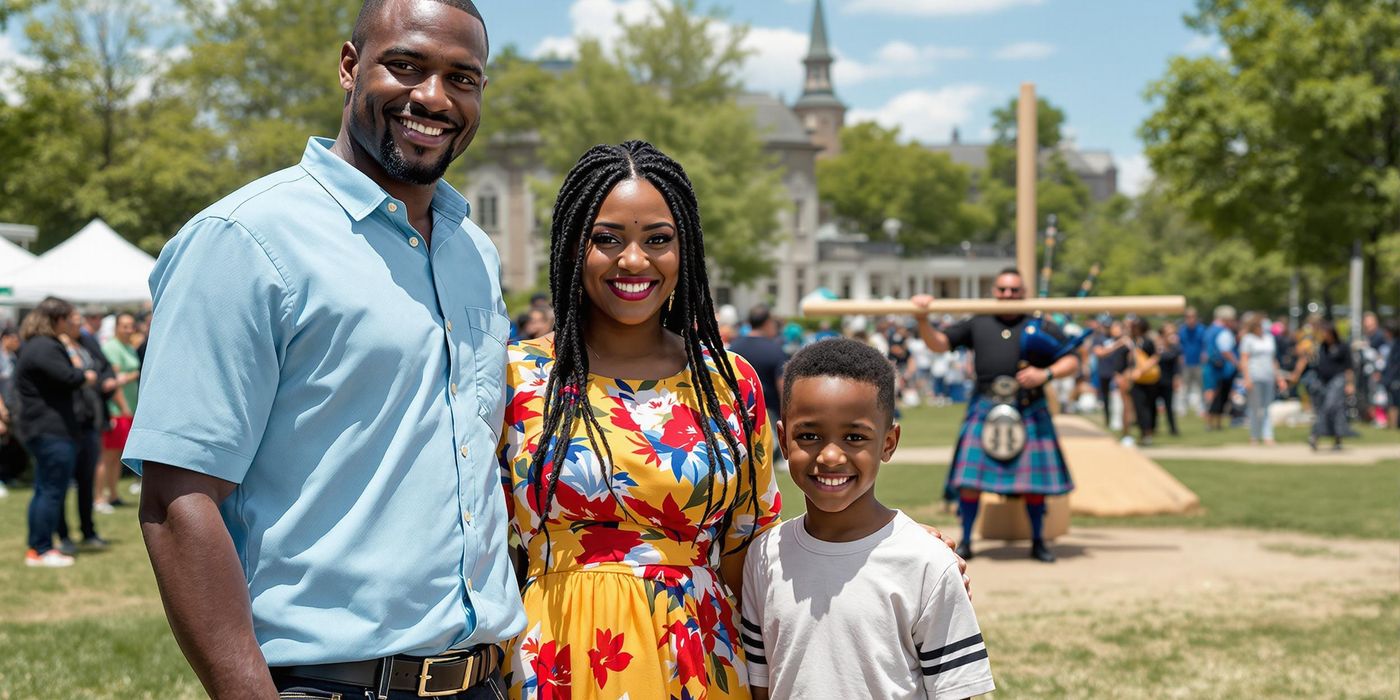
Another memorable experience was attending the Montreal Highland Games. We were fascinated by the Scottish traditions, from the bagpipes to the caber toss. My children even tried their hand at Scottish dancing, with hilarious results! These experiences have taught us so much about the world and have created lasting memories for our family.
As a Malian, I also try to incorporate elements of my culture into our festival experiences. For example, I might bring traditional Malian snacks to share with others or teach my children some basic Bambara phrases. It's important for me to keep my heritage alive and share it with the world.
A guide on how to enjoy and learn from cultural festivals around the world with your family, offering tips on participation and cultural sensitivity.