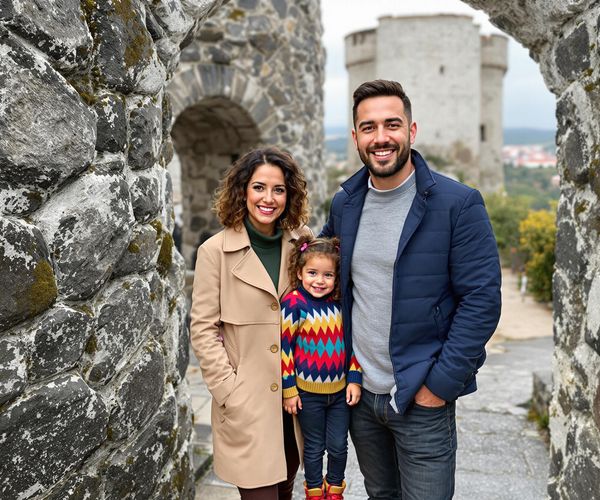

As a family, we've always believed that travel is more than just seeing new places; it's about truly connecting with them. For Lena, Sofia, and myself, Nuno, cultural immersion isn't just a buzzword – it's the heart of our adventures. We want to share our experiences and inspire you to embrace the world's diversity with open arms and curious minds.
Why Cultural Immersion Matters for Families
Imagine your child’s eyes widening as they learn to make pasta from scratch in Italy, or their laughter echoing through a bustling Moroccan market. These aren't just vacation memories; they are building blocks for a more empathetic and globally aware individual. Cultural immersion fosters understanding, challenges preconceived notions, and broadens perspectives in ways a classroom simply can’t.
I remember when Sofia was five, we visited a small village in Portugal. Initially shy, she soon befriended the local children, learning to play traditional games and even picking up a few Portuguese phrases. The experience transformed her, sparking a curiosity about the world that continues to grow. It wasn't just a fun day; it was a lesson in connection and understanding that will stay with her forever.
Planning for Meaningful Cultural Experiences
The key to a successful cultural immersion trip is in the planning. Start by researching your destination. What are the local customs? Are there any festivals or events happening during your visit? Websites like UNESCO and local tourism boards can be invaluable resources.
{image1}
Don't just look for tourist attractions; seek out opportunities for genuine cultural interaction.
Involve your children in the planning process. Show them pictures and videos of the destination, read stories about the local culture, and let them help choose activities. This will spark their interest and enthusiasm, making them active participants in the adventure. We often sit down as a family and brainstorm ideas, creating a collaborative itinerary that excites everyone.
Remember to balance structured activities with spontaneous exploration. While it’s great to have a plan, leave room for unexpected encounters and deviations from the itinerary. Some of our most memorable experiences have come from simply wandering through a new city, striking up conversations with locals, and discovering hidden gems off the beaten path.
Engaging with Locals Respectfully
One of the most important aspects of cultural immersion is showing respect for local customs and traditions. Before you travel, take the time to learn a few basic phrases in the local language. Even a simple hello or thank you can go a long way in building rapport and demonstrating your willingness to connect.
Be mindful of cultural norms and etiquette. Research appropriate dress codes, dining customs, and social interactions. Observe how locals behave and follow their lead. It’s also crucial to be aware of any sensitive topics or taboos and avoid discussing them in public.
{image2}
Approach interactions with curiosity and a genuine desire to learn. Ask questions, listen attentively, and be open to different perspectives. Remember that you are a guest in their home, and it’s your responsibility to be respectful and considerate.
Family-Friendly Activities for Cultural Immersion
There are countless ways to immerse yourselves in a new culture as a family. Here are a few ideas to get you started:
- Participate in local festivals and celebrations: These events offer a vibrant and authentic glimpse into cultural traditions. From colorful parades to traditional music and dance performances, festivals are a feast for the senses.
- Take cooking classes or food tours: Food is an integral part of any culture, and exploring the cuisine is a delicious way to learn about local customs and traditions. Cooking classes offer hands-on experience in preparing traditional dishes, while food tours provide a guided exploration of local culinary hotspots.
- Visit local markets and artisan workshops: These are great places to support local communities and learn about traditional crafts. You can find unique souvenirs, interact with local artisans, and gain insight into their creative processes.
- Stay in locally owned accommodations or homestays: Staying in locally owned accommodations or homestays can provide a more immersive experience than staying in a large hotel chain. You'll have the opportunity to interact with local hosts, learn about their way of life, and gain insider tips on the best places to visit.
Embracing Spontaneity and Unscripted Moments
While planning is essential, some of the most memorable cultural experiences come from unexpected encounters and unplanned activities. Be open to deviations from the itinerary and embrace the spontaneity of travel. One time, while exploring Kyoto, we stumbled upon a small tea ceremony in a local garden. We were invited to participate, and it turned out to be one of the most meaningful experiences of our trip.
Slow down and observe daily life. Take the time to sit in a local café, watch people go about their day, and soak in the atmosphere. These seemingly mundane moments can offer a deeper understanding of the local culture than any tourist attraction. Remember, cultural immersion is not about ticking off a list of sights; it's about connecting with people, embracing new experiences, and broadening your perspective. So, pack your bags, gather your family, and get ready for an adventure that will change the way you see the world.
A guide for families on engaging with different cultures during travels, focusing on educational and fun activities for children, highlighting family-friendly cultural experiences.