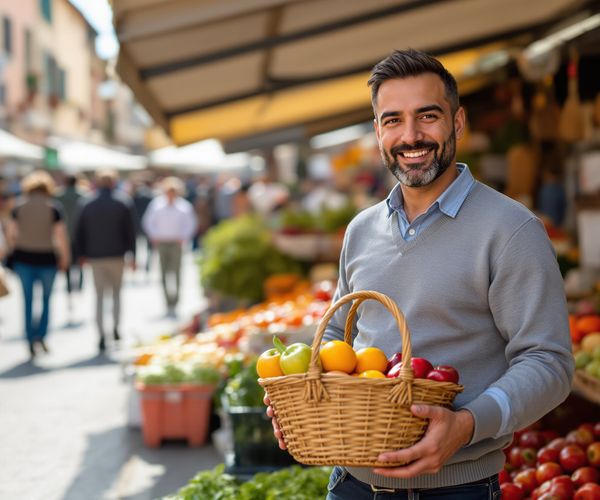

There's something magical about travel, isn't there? The sights, the sounds, the smells – they all weave together to create unforgettable memories. But for me, and my family, the true essence of a place is often found in its food. It's not just about eating; it's about experiencing the culture, connecting with the locals, and creating lasting memories through the flavors of the land. Join me as I share our experiences and tips on cooking with local ingredients during your travels.
The Allure of Local Flavors
Why bother seeking out local ingredients when you travel? Well, for starters, it elevates your travel experience from a simple sightseeing trip to a full sensory immersion. Imagine wandering through a bustling market, the vibrant colors of fresh produce catching your eye, the fragrant aroma of spices filling the air. This isn't just shopping; it's a cultural exchange, a chance to connect with the heart and soul of a place.
Cooking with local ingredients also ensures you're experiencing the freshest, most flavorful food possible. Think about it: fruits and vegetables picked at their peak ripeness, herbs bursting with aromatic oils, and meats sourced directly from local farms. These ingredients haven't traveled far, so they retain their nutrients and taste, offering a culinary experience that's simply unmatched.
For my family and me, discovering local flavors is a way to create a deeper connection with the places we visit. It's about understanding the history and traditions that have shaped the local cuisine, and sharing those stories with our daughter, Sofia. It transforms every meal into a learning opportunity, a chance to appreciate the unique culinary heritage of each destination.
Finding Local Ingredients: A Traveler's Guide
Sourcing local ingredients can be an adventure in itself! Here are a few tips to help you navigate the culinary landscape:
- Visit local farmers' markets: These are treasure troves of fresh, seasonal produce, artisanal cheeses, and locally sourced meats. Don't be afraid to strike up conversations with the vendors – they're often passionate about their products and happy to share tips and recipes.
- Explore local grocery stores and specialty shops: Venture beyond the touristy areas and explore the local supermarkets. You'll find a wider variety of regional products and get a glimpse into the everyday lives of the locals.
- Consider Community Supported Agriculture (CSA) programs: If you're planning an extended stay in a particular area, look into joining a local CSA program. This allows you to receive a regular supply of fresh, seasonal produce directly from a local farm, supporting sustainable agriculture and connecting you with the community.
Adapting Traditional Dishes: A Creative Challenge
One of the most rewarding aspects of cooking with local ingredients is the opportunity to adapt traditional dishes to your surroundings. It's a chance to get creative in the kitchen and experiment with new flavors and combinations.
The key is to understand the essence of the dish and identify which ingredients can be substituted without compromising the overall flavor profile. For example, if you're making a classic Italian pasta dish in Southeast Asia, you might replace traditional basil with Thai basil for a unique twist. Or, if you're preparing a Portuguese seafood stew in Germany, you could use locally sourced North Sea fish instead of the traditional cod.
Don't be afraid to experiment! Some of the most delicious culinary creations come from unexpected combinations. Just remember to balance the flavors and adjust the seasoning to your liking.
Sustainable Cooking Practices on the Road
As travelers, it's important to be mindful of our impact on the environment. When cooking on the road, there are several ways to practice sustainability:
- Reduce food waste: Plan your meals carefully and only buy what you need. Use leftovers creatively and compost any food scraps whenever possible.
- Use eco-friendly cooking methods: Opt for cooking methods that minimize energy consumption, such as using a portable induction cooktop or a solar oven.
- Support local farmers and businesses: By purchasing your ingredients from local sources, you're helping to support sustainable agriculture and the local economy.
Recipes to Inspire Your Culinary Travel
Here are a few simple recipes that you can easily adapt using local ingredients, inspired by our family's travels:
- Mediterranean Quinoa Salad: Combine cooked quinoa with chopped tomatoes, cucumbers, olives, feta cheese, and a simple lemon-herb vinaigrette. This dish is incredibly versatile and can be adapted to incorporate whatever fresh vegetables are available in your destination. When we were in Greece, we added capers and sun-dried tomatoes for an extra burst of flavor.
- Spicy Peanut Noodles: Toss cooked noodles with a creamy peanut sauce, chili flakes, and your choice of vegetables and protein. This dish is perfect for using up leftover vegetables and can be customized to suit your spice preference. In Thailand, we tried it with fresh mango and it was incredible!
- Black Bean Burgers: Mash cooked black beans with breadcrumbs, spices, and your favorite vegetables. Form into patties and pan-fry or bake until golden brown. Serve on buns with your favorite toppings. This is a great vegetarian option that's packed with protein and fiber. When we visited Mexico, we added a touch of chipotle pepper for a smoky flavor.
These recipes are just a starting point. The real fun begins when you start experimenting with local ingredients and creating your own unique culinary masterpieces. So, pack your bags, grab your apron, and get ready for a culinary adventure!
Discover how to incorporate local ingredients into your cooking while traveling, creating delicious meals that reflect the cultures you visit.