Hey everyone, Nuno here! Lena, Sofia, and I have always believed that travel is more than just ticking off destinations on a list. It's about immersing ourselves in new cultures, connecting with locals, and creating lasting memories. That's why we're huge advocates for slow travel. Come along as I delve into the art of savoring each moment and why it's the best way to explore our beautiful planet.
What is Slow Travel?
Slow travel is all about embracing quality over quantity. Instead of rushing from one tourist hotspot to another, it encourages you to spend more time in fewer places, fostering deeper connections and more meaningful experiences. Think of it as the antithesis of traditional, fast-paced tourism. It's a mindset shift, a deliberate choice to slow down and truly appreciate the journey.
The roots of slow travel can be traced back to the slow food movement, which originated in Italy in the 1980s as a protest against fast food and the homogenization of culinary experiences. Just as slow food emphasizes locally sourced ingredients and traditional cooking methods, slow travel promotes engaging with local communities, respecting their traditions, and supporting their economies. In recent years, slow travel has gained significant traction as a response to the negative impacts of mass tourism, such as environmental degradation and cultural commodification.
Why Embrace Slow Travel?
The benefits of slow travel are numerous and far-reaching. For us, it's about:
- Deeper cultural immersion: By spending more time in a particular place, you have the opportunity to truly engage with the local culture. This might involve learning a few phrases in the local language, trying traditional dishes, or simply spending time chatting with residents.
- Reduced stress and enhanced well-being: Let's face it, constantly rushing to catch flights and check off sights can be exhausting. Slow travel allows you to slow down, relax, and enjoy the present moment, leading to reduced stress and improved overall well-being.
- Sustainable and responsible tourism: Slow travel often involves choosing more sustainable modes of transportation, such as trains or buses, and supporting local businesses and accommodations, thereby minimizing your environmental impact and contributing to the local economy.
- Opportunity for personal growth and reflection: When you're not constantly on the go, you have more time to reflect on your experiences and gain new perspectives. Slow travel can be a powerful tool for personal growth and fostering mindfulness.
Strategies for Savoring Each Moment
Ready to embrace the slow travel lifestyle? Here are a few strategies to get you started:
- Prioritize longer stays in fewer locations: Instead of trying to see everything, focus on choosing a few destinations and spending a significant amount of time in each one. This will give you the opportunity to truly settle in and get to know the area.
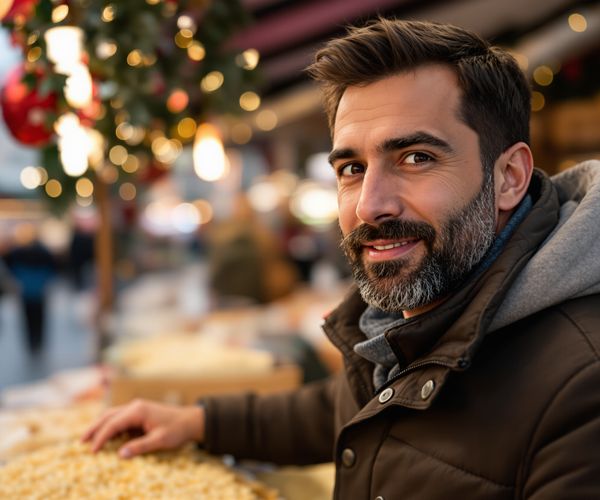
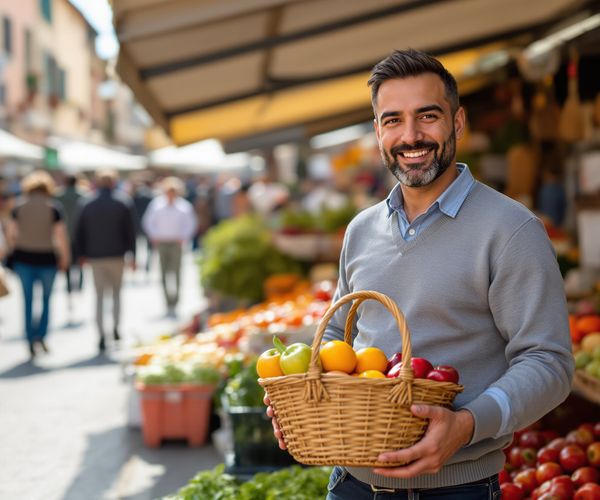
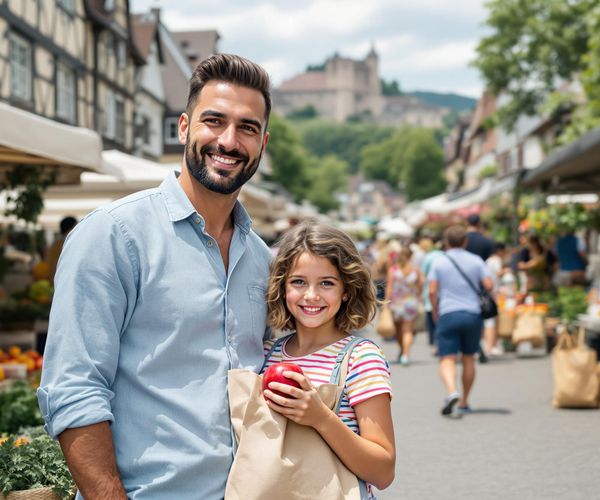
- Embrace local experiences: Seek out opportunities to connect with the local community. Visit local markets, attend community events, and engage with residents. These experiences will provide you with a deeper understanding of the culture and way of life.
- Utilize sustainable transportation: Opt for trains, buses, cycling, or walking over flights whenever possible. This will not only reduce your carbon footprint but also allow you to see more of the countryside and experience the journey in a more meaningful way.
- Practice mindful travel: Disconnect from your devices, be present in the moment, and appreciate your surroundings. Take time to simply sit and observe, listen to the sounds around you, and savor the beauty of the natural world.
- Support local businesses and accommodations: Choose family-owned establishments, guesthouses, and eco-lodges over large chain hotels. This will help to support the local economy and provide you with a more authentic and personalized experience.
Slow Travel with Family: A Ferreira Schmidt Perspective
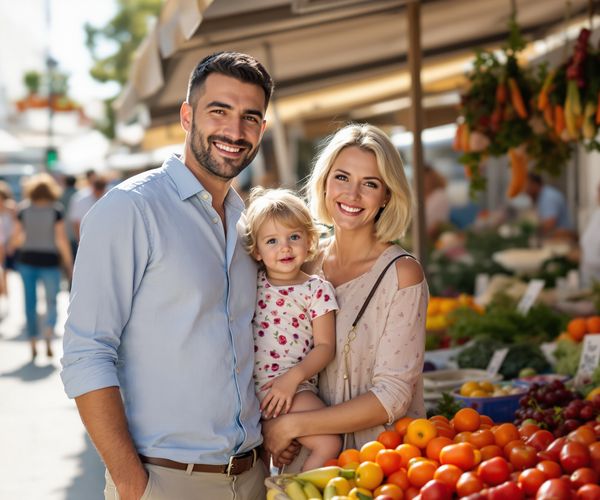
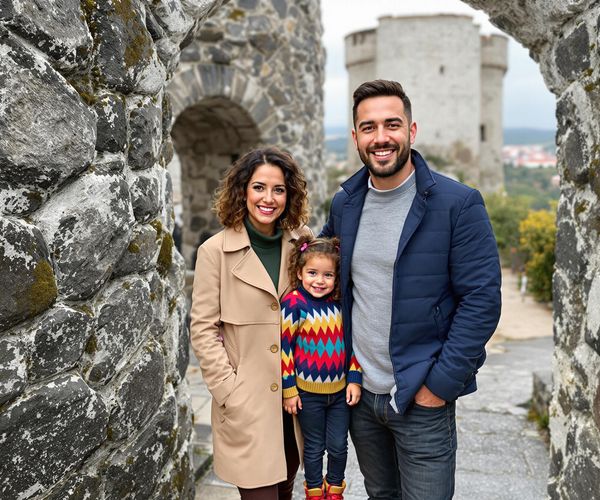
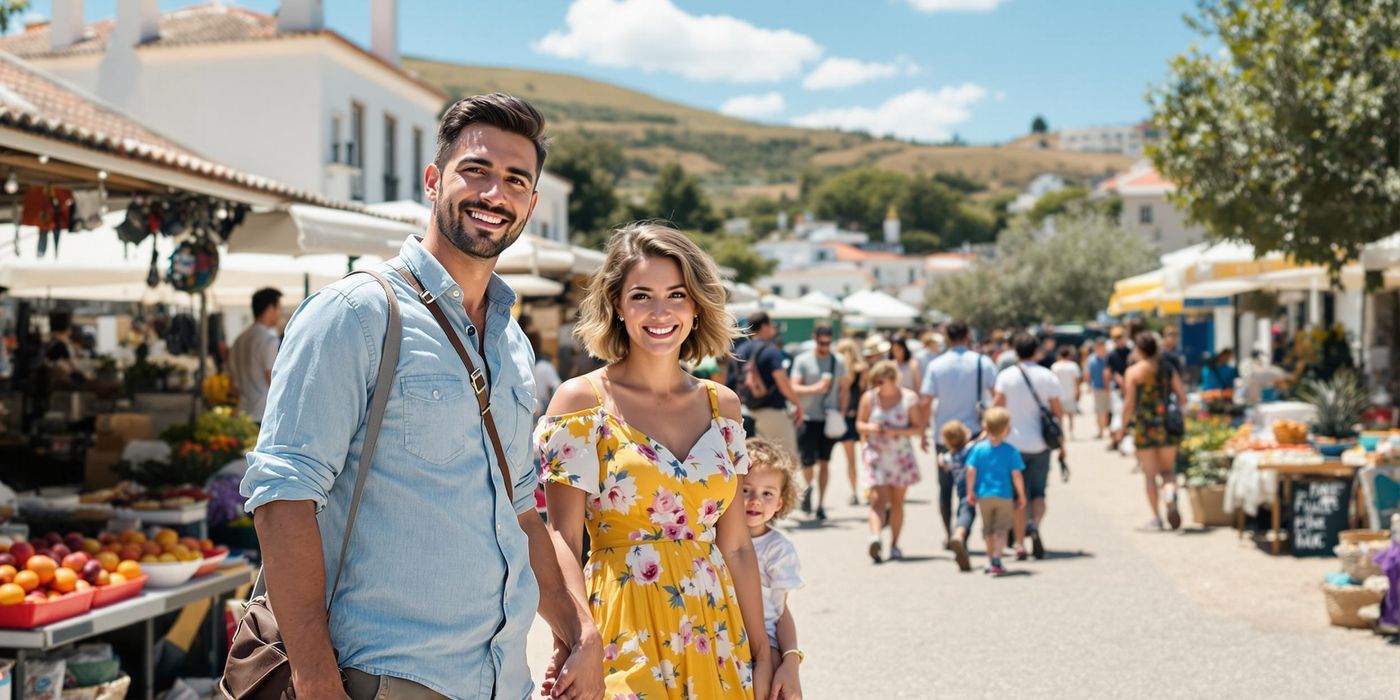
For Lena, Sofia, and me, slow travel isn't just a philosophy; it's a way of life. We've found that it's particularly rewarding when traveling with family. One of our most memorable slow travel experiences was when we spent a month exploring the Algarve region in Portugal. Instead of rushing from beach to beach, we rented a small cottage in a charming village and spent our days exploring the local markets, hiking along the coast, and learning about the region's history and culture. Sofia absolutely loved playing with the local children and even picked up a few Portuguese phrases!
We believe that slow travel is especially beneficial for children. It fosters curiosity, compassion, and a love for culture. It also strengthens family bonds by creating lasting memories and shared experiences. Planning slow travel itineraries with kids requires a bit of extra thought. It's important to balance activities with downtime and choose age-appropriate experiences. For example, we always make sure to include plenty of time for Sofia to play and explore, and we try to find activities that are both fun and educational.
Lena's background as an architect specializing in sustainable housing and my focus on renewable energy solutions as a software engineer deeply influence our travel choices. We're always looking for ways to minimize our environmental impact and support communities that are committed to sustainability. This often means choosing eco-friendly accommodations, eating locally sourced food, and participating in activities that promote environmental conservation.
Explore the benefits of slow travel, a movement that emphasizes quality over quantity, encouraging travelers to take their time and truly experience each destination.