The crisp air, the rustling leaves, the panoramic views – there's a unique magic to be found on the hiking trail. As a bloke who grew up in Bendigo, Australia, and now calls Heidelberg, Germany home, I've traded the Outback for the Odenwald Forest, and let me tell you, the hiking bug has bitten me hard. But it wasn't always smooth sailing. My first few hikes were, shall we say, character-building experiences. This guide is for anyone who's ever looked at a mountain and thought, Maybe? Let's get you prepped for your first adventure.
Why Hiking? Discovering the Allure of the Trail
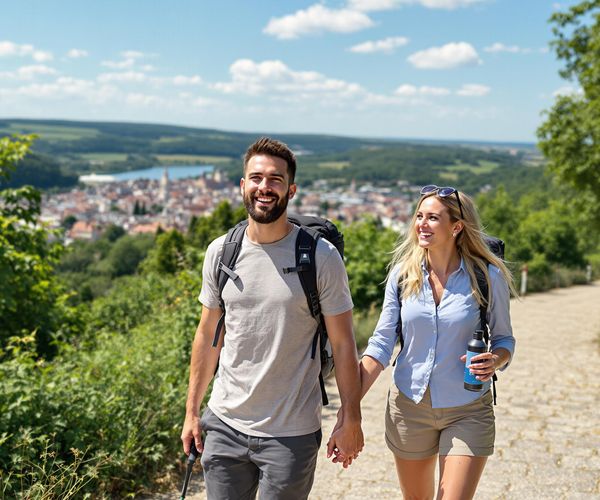
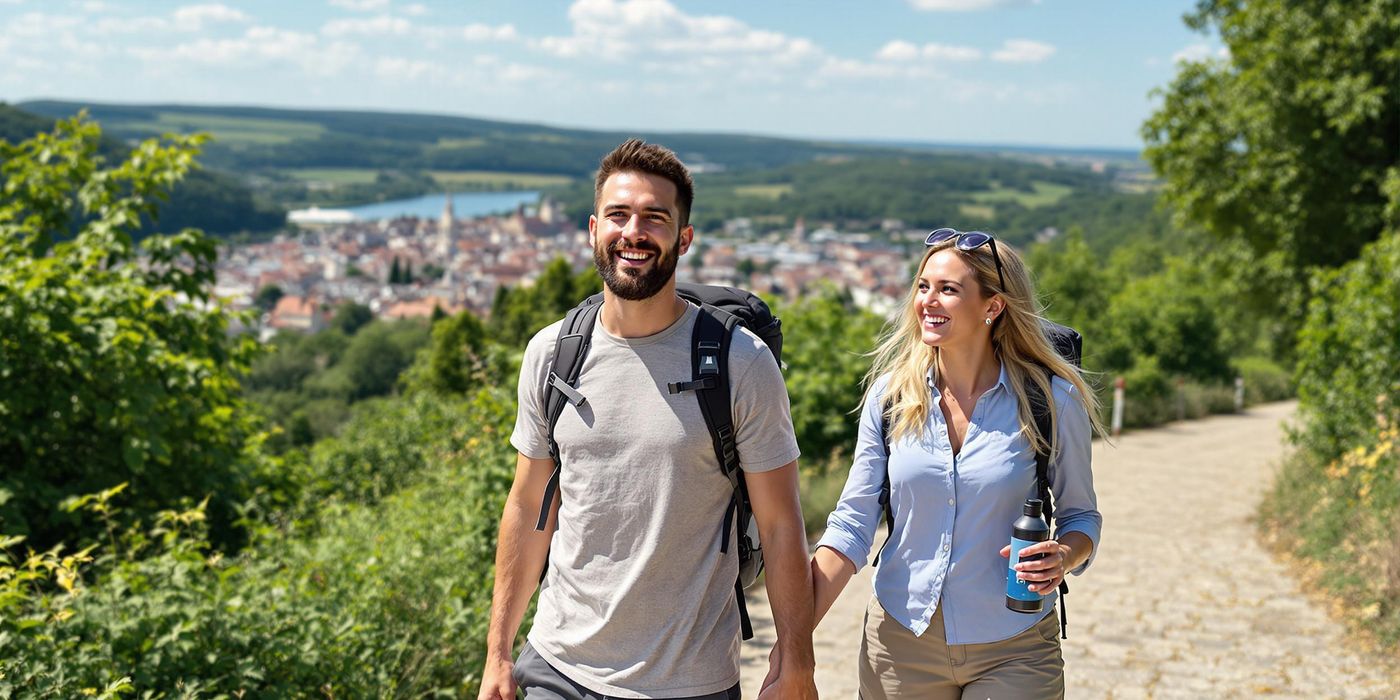
I remember my first real hike in the Odenwald. Greta, my wife, practically dragged me up the Königstuhl (King's Seat) here in Heidelberg. I was huffing and puffing, convinced my lungs were about to give out, but then we reached the top. The view of the city, the Neckar River snaking through the valley, it was breathtaking. That's when I understood the allure.
Hiking isn't just about pretty views, though. It's a fantastic workout, both physically and mentally. You're getting your heart pumping, building strength, and soaking up some much-needed Vitamin D. Plus, studies show that spending time in nature can reduce stress, improve your mood, and boost your creativity. And the best part? You don't need to be an Olympic athlete to enjoy it. There are trails for every fitness level, from gentle strolls to challenging climbs.
Gearing Up: Essential Equipment for Your First Hike
Okay, let's talk gear. You don't need to spend a fortune to get started, but a few key items will make your experience much more comfortable and safe.
First up: footwear. This is non-negotiable. Leave the sneakers at home. You'll want either proper hiking boots or trail shoes with good ankle support and traction. Trust me, your feet will thank you. And don't forget the socks! Wool or synthetic socks are your best bet for wicking away moisture and preventing blisters. I learned this the hard way on a particularly soggy trail near Neckargemünd.
Next, layering is key. The weather can change quickly, especially in the mountains. Start with a moisture-wicking base layer, add an insulating mid-layer (like a fleece), and top it off with a waterproof and windproof outer layer. This way, you can adjust your clothing as needed to stay comfortable.
Here's a list of essential gear to pack in your backpack (a 10-20L pack should be sufficient for a day hike):
- Water bottles or a hydration reservoir
- Snacks (energy bars, trail mix, fruit)
- First-aid kit (bandages, antiseptic wipes, pain relievers)
- Map and compass/GPS (and know how to use them!)
- Sunscreen
- Hat
- Rain gear
Trekking poles are optional, but I find them incredibly helpful, especially on steep or uneven terrain. They take some of the pressure off your knees and provide extra stability.
Trail Selection: Choosing the Right Hike for Your Ability
Now for the fun part: picking your trail! Don't just head out blindly. Do your research beforehand.
There are plenty of online resources like AllTrails and the Hiking Project where you can find trail maps, descriptions, and reviews. Guidebooks are also a great source of information, especially for local trails. Pay attention to the trail's distance, elevation gain, and terrain. A short, flat trail is perfect for beginners, while a long, steep climb should be saved for later.
Here in the Odenwald Forest, there are some fantastic beginner-friendly options. The Philosophenweg (Philosopher's Way) in Heidelberg offers stunning views of the city without being too strenuous. The Geo-Naturpark Bergstrasse-Odenwald website has a heap of resources too. I remember taking Greta on a loop near Weinheim when she was first getting into hiking; it was just the right balance of challenge and reward. If you're feeling nervous about hiking alone, consider joining a guided hike. Many local organizations offer guided hikes for beginners.
Safety First: Staying Safe on the Trail
Safety should always be your top priority. Before you head out, check the weather forecast. Be prepared for changing conditions and dress accordingly. It's also crucial to inform someone of your hiking plans, including your route and estimated return time. That way, if something goes wrong, someone will know to look for you.
To prevent injuries, wear appropriate footwear, watch your step, and avoid overexertion. Take breaks when you need them and drink plenty of water. If you do get injured, stay calm. Use your map and compass to determine your location and signal for help if necessary. A whistle can be a lifesaver in an emergency. And of course, administer first aid to any injuries.
Leave No Trace: Respecting the Environment
Finally, let's talk about respecting the environment. As hikers, it's our responsibility to Leave No Trace. This means packing out all your trash, staying on marked trails, minimizing campfire impacts, respecting wildlife, and being considerate of other hikers. Pack out everything you pack in, including toilet paper. Use designated facilities whenever possible. By following these principles, we can help preserve the natural environment for future generations.
Hiking is an incredible way to connect with nature, challenge yourself, and create lasting memories. With a little preparation and planning, you can have a safe and enjoyable experience on the trail. So, lace up your boots, grab your backpack, and get out there! The Odenwald – or wherever your local trails may be – is waiting.
A beginner's guide to hiking, with tips on gear, trail selection, safety, and respecting the environment, drawing from Oliver's experiences in the Odenwald Forest.