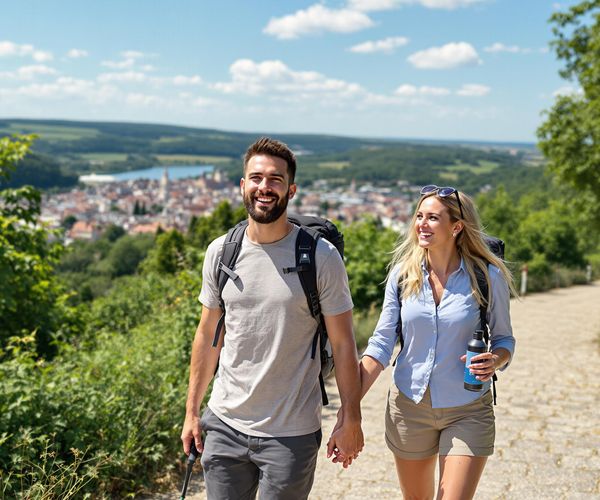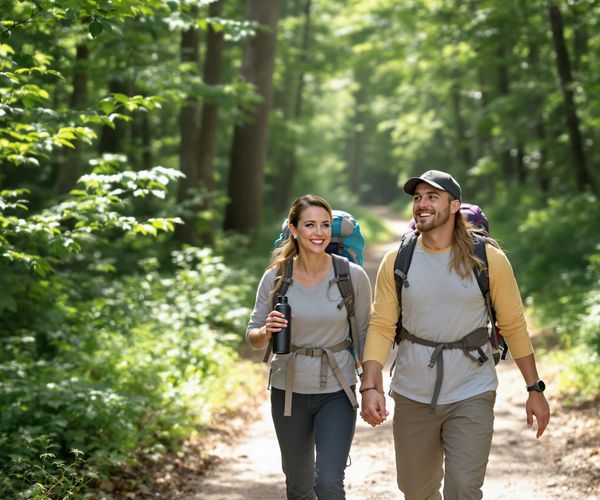
Hey everyone, Oliver here! Greta and I have always been passionate about exploring the world, but lately, we've become increasingly aware of the impact our travels have on the planet. That's why we've made a conscious effort to adopt a more sustainable approach to travel, ensuring we leave a positive mark wherever we go. It's not about grand gestures, but rather a series of small, mindful choices that collectively make a big difference. Join me as I share our journey and some practical tips for traveling more sustainably.
My Journey Towards Sustainable Travel
My journey towards sustainable travel wasn't an overnight transformation. Growing up in Bendigo, Australia, I was always drawn to the outdoors, but it wasn't until I moved to Heidelberg and started exploring Europe with Greta that I truly began to understand the importance of responsible travel. We witnessed firsthand the effects of tourism on fragile ecosystems and local communities, which sparked a desire to minimize our footprint. One pivotal moment was a hiking trip in the Alps. Seeing the impact of climate change on the glaciers really hit home. From then on, we started making conscious choices, one trip at a time. It began with small things like carrying reusable water bottles and evolved into carefully selecting eco-friendly accommodations and transportation.
Choosing Eco-Friendly Accommodation
Where you stay can have a significant impact on your overall sustainability. Opting for eco-friendly accommodations is a great way to support businesses that prioritize environmental responsibility. But how do you identify these places? Look for hotels, guesthouses, or campsites that have implemented sustainable practices, such as energy-efficient lighting, water conservation measures, and waste reduction programs. Certifications like Green Key or LEED are excellent indicators of a property's commitment to sustainability. Greta and I recently stayed at a charming eco-hotel in the Black Forest that impressed us with its solar panels, organic farm-to-table dining, and composting program. It's these kinds of experiences that show us that sustainability and comfort can go hand in hand.
Reducing Your Carbon Footprint While Traveling
Transportation is a major contributor to carbon emissions, so it's essential to consider your options carefully. If you're traveling within Europe, consider taking trains or buses instead of flying. They're often more scenic and can be surprisingly efficient. When flying is unavoidable, try to minimize your carbon footprint by choosing direct flights, packing light, and offsetting your emissions through reputable carbon offsetting programs. These programs invest in projects that reduce greenhouse gas emissions, such as renewable energy or reforestation initiatives. We always try to pack light, bringing only the essentials to reduce the weight of our luggage and the fuel consumption of our flights.
Supporting Local Economies and Communities
One of the most rewarding aspects of sustainable travel is the opportunity to connect with local cultures and support local economies. Instead of eating at chain restaurants, try local eateries that serve traditional dishes made with locally sourced ingredients. Buy souvenirs from local artisans instead of mass-produced trinkets. Hire local tour guides who can provide insights into the history and culture of the region. These experiences not only enrich your travels but also help to ensure that your money stays within the community. In Italy, we took a cooking class with a local family and learned how to make pasta from scratch. It was an unforgettable experience that allowed us to connect with the local culture on a deeper level.
Minimizing Waste and Plastic Use
Single-use plastics are a major environmental problem, so it's crucial to minimize your waste while traveling. Bring a reusable water bottle, coffee cup, and shopping bags with you, and avoid products with excessive packaging. Pack eco-friendly toiletries, such as shampoo bars and solid toothpaste, to further reduce your plastic consumption. When disposing of waste, be sure to sort it properly and recycle whenever possible. We always carry a reusable water bottle and coffee cup with us, and we've found that many cafes are happy to fill them up. It's a small gesture that can make a big difference in reducing plastic waste.
Responsible Consumption and Ethical Souvenirs
When shopping for souvenirs, be mindful of the impact your purchases have on the environment and local communities. Avoid buying products made from endangered species or that contribute to environmental degradation. Instead, support local artisans and purchase ethically sourced products. Look for items made from sustainable materials, such as recycled paper or bamboo. Greta and I have collected a beautiful collection of handcrafted ceramics and textiles from our travels, each with its own unique story and cultural significance.
Respecting Wildlife and Natural Habitats
Protecting wildlife and natural habitats is an essential part of sustainable travel. When viewing wildlife, maintain a safe distance and avoid feeding animals. Choose tour operators that prioritize conservation and sustainability, and avoid activities that could harm animals or their habitats. We went on a whale watching tour in Iceland that was committed to responsible wildlife viewing practices. They educated us about the whales and their ecosystem, and they made sure to maintain a respectful distance from the animals. It was an incredible experience that allowed us to appreciate these magnificent creatures without causing them harm.
Sustainable Hiking and Outdoor Activities
Since moving to Heidelberg, Greta and I have spent countless hours hiking in the Odenwald Forest. It's a beautiful place to connect with nature, but it's also important to do so responsibly. Stay on marked trails to avoid disturbing vegetation, pack out all trash, and use eco-friendly gear and equipment. Consider using a refillable water bottle and a reusable container for snacks. Respect wildlife by observing from a distance and avoiding feeding animals. By following these simple guidelines, you can help to protect the natural environment for future generations. We always make sure to leave no trace behind when we're hiking, packing out everything we pack in and staying on designated trails. It's our way of showing respect for the environment and ensuring that others can enjoy it too.
Join Oliver as he shares his journey and practical tips for traveling more sustainably, ensuring a positive mark wherever you go.