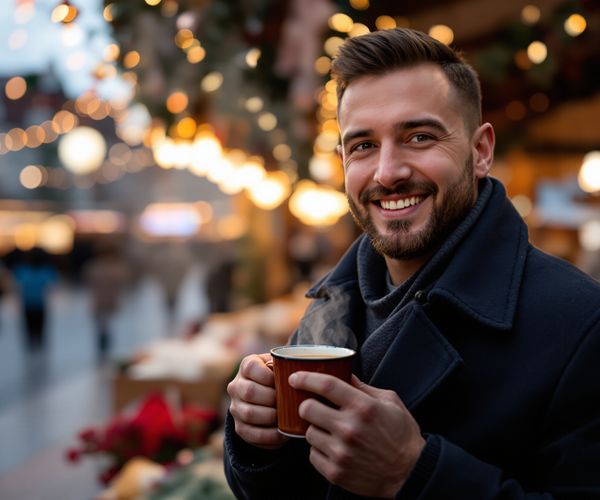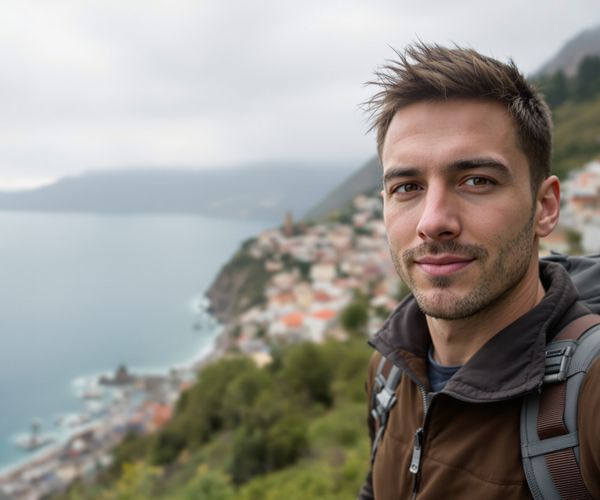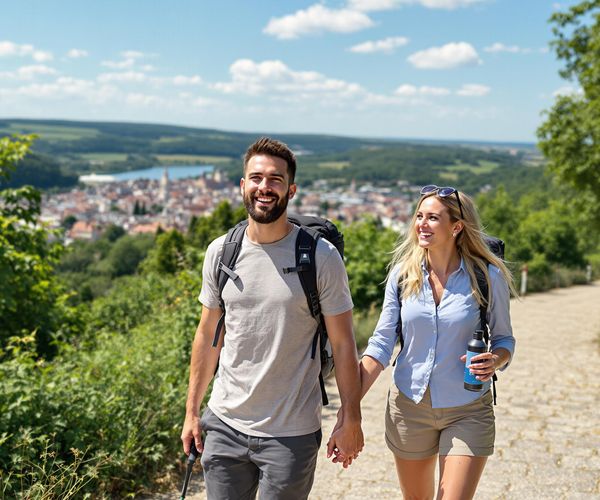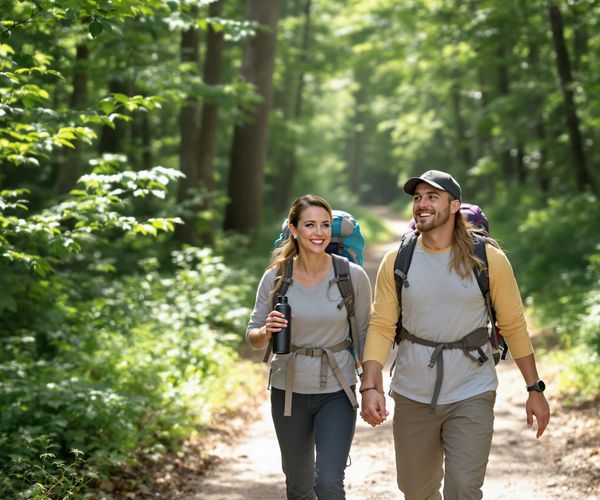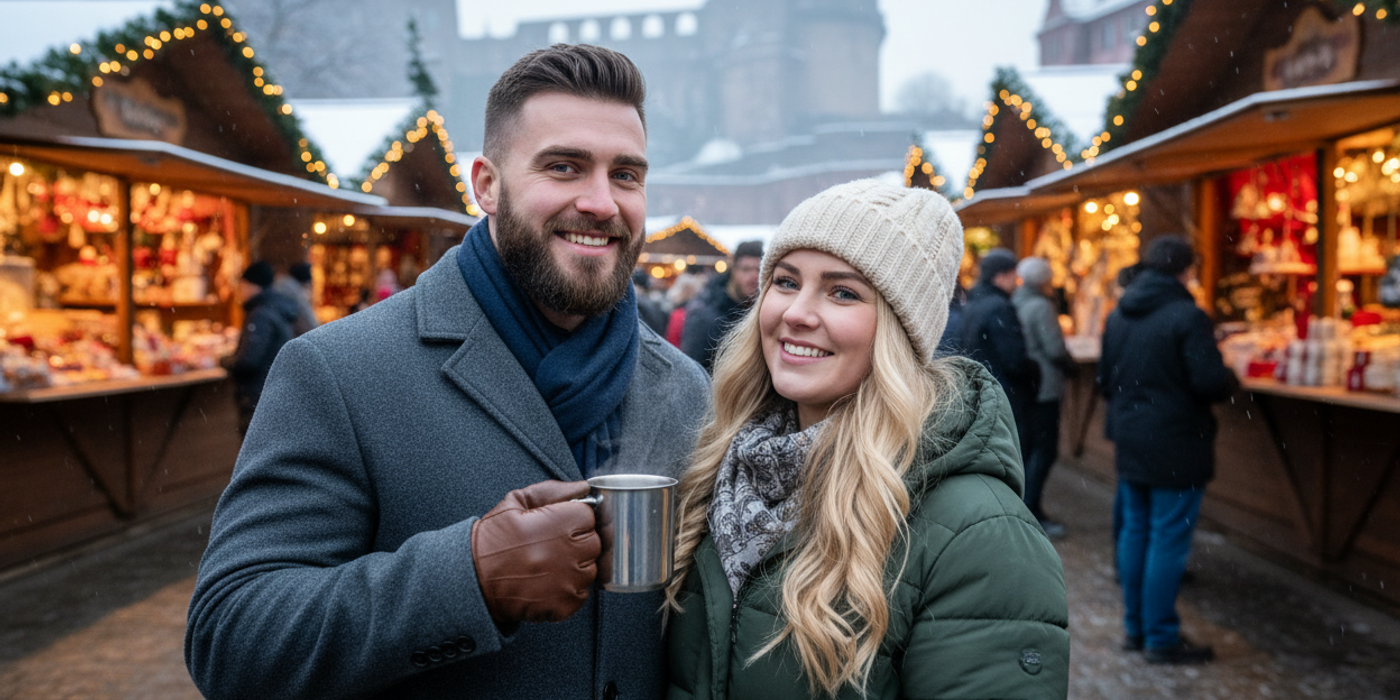
Hey everyone, Oliver here! Over the years, my travels with Greta have become more than just seeing new places; they're about capturing the essence of those experiences through photography. Whether it's the vibrant colors of a Heidelberg market or the serene landscapes of the Odenwald Forest, I've learned that a good photo can transport you back to a moment in time. So, I thought I'd share some tips I've picked up along the way to help you elevate your travel photography game!
Choosing the Right Gear for Your Trip
Selecting the right gear is the first step in your photography journey. It really depends on your travel style and where you're headed. Are you backpacking through Southeast Asia, or taking a leisurely road trip across Europe?
Smartphones are fantastic for their convenience and ease of use. The cameras on modern smartphones are incredibly capable, and perfect for casual snapshots and sharing on social media. But if you're looking for more control and higher image quality, you might want to consider a dedicated camera.
Mirrorless cameras are a great option for travelers who want a balance between portability and performance. They're smaller and lighter than DSLRs, but still offer interchangeable lenses and advanced features. DSLRs, on the other hand, are known for their excellent image quality and extensive lens selection. However, they can be bulky and heavy, which might not be ideal for all travel situations.
Action cameras like GoPros are perfect for adventurous travelers who want to capture their experiences in extreme environments. They're rugged, waterproof, and can be mounted on helmets, bikes, or surfboards.
As for specific recommendations, it's tough to name just one! But, if you're after versatility, consider the Sony Alpha series for mirrorless, or a Canon EOS DSLR. For action, GoPro is still king. Don't forget essential accessories like a versatile zoom lens (24-70mm or 24-105mm are great starting points), a sturdy tripod, polarizing and ND filters for landscape shots, and plenty of memory cards!
Mastering Composition Techniques
Composition is key to creating visually appealing photos. It's how you arrange the elements within your frame to guide the viewer's eye and tell a story. One of the most well-known rules is the rule of thirds. Imagine dividing your frame into nine equal parts with two horizontal and two vertical lines. Place your subject at one of the intersections of these lines, or along one of the lines themselves, to create a more balanced and engaging composition.
Leading lines can also be incredibly effective. Use natural or man-made lines, like roads, rivers, or fences, to draw the viewer's eye into the scene and create a sense of depth. Symmetry and patterns can also create visually stunning images. Look for symmetrical scenes in architecture or nature, and use them to create a sense of balance and harmony.
Framing is another great technique. Use elements in the foreground, like trees, arches, or windows, to frame your subject and create depth. And don't be afraid to experiment with different perspectives and angles. Get down low, climb up high, or shoot from an unusual angle to create a unique and interesting shot.
Also, remember that sometimes, less is more. Simplify your compositions by eliminating distractions and focusing on the essential elements. This can help to create a stronger and more impactful image.
Understanding Light and Its Impact
Light is arguably the most important element in photography. It affects the mood, color, and overall quality of your images. The golden hour, which is the hour after sunrise and the hour before sunset, is often considered the best time to shoot. The light during this time is soft, warm, and flattering, creating beautiful colors and long shadows.
The blue hour, which is the hour after sunset and the hour before sunrise, is another great time to shoot. The light during this time is cool, soft, and ethereal, creating a sense of mystery and tranquility.
Shooting in harsh sunlight can be challenging, but it's not impossible. Try to shoot in the shade, or use a diffuser to soften the light. You can also use a polarizing filter to reduce glare and reflections. Overcast conditions can also be challenging, but they can also create beautiful, even light. The key is to embrace the conditions and find creative ways to work with them.
In low-light environments, you'll need to use a higher ISO, a wider aperture, or a slower shutter speed to capture enough light. Be careful when using high ISOs, as they can introduce noise into your images. A reflector can be a lifesaver for portraits, bouncing light back onto your subject's face and filling in shadows.
Capturing Authentic Moments and Stories
For me, the best travel photos are the ones that tell a story. They capture the essence of a place, the spirit of its people, and the emotions of a moment. Instead of just taking pictures of landmarks, try to capture candid moments and genuine interactions. Photograph the local markets, the street performers, the children playing in the park. These are the moments that will truly transport you back to your travels.
Engage with the locals. Ask them about their lives, their culture, and their traditions. Learn a few basic phrases in their language. This will not only help you to connect with them, but it will also give you a deeper understanding of the place you're visiting. When photographing people, always be respectful and ethical. Ask for their permission before taking their picture, and be mindful of their privacy.
Look for unique perspectives. Get off the beaten path and explore the hidden corners of a city. Visit local neighborhoods, try new foods, and attend cultural events. These are the experiences that will make your travels truly memorable, and they'll also provide you with unique photo opportunities.
Post-Processing Essentials for Travel Photos
Post-processing is an essential part of the photography workflow. It allows you to enhance your images, correct any imperfections, and bring your creative vision to life. There are many different post-processing software programs available, such as Adobe Lightroom, Adobe Photoshop, and Capture One. Start with basic adjustments like exposure, contrast, white balance, and color correction. These adjustments can make a big difference in the overall look and feel of your images.
Sharpening can help to improve the clarity and detail of your images, while noise reduction can help to reduce unwanted noise. Be careful not to over-sharpen your images, as this can create unwanted artifacts. Use the spot removal tool to remove any distractions from your images, such as dust spots, blemishes, or unwanted objects. Correcting lens distortion can help to straighten out lines and remove any unwanted curvature.
Finally, don't be afraid to experiment with creative effects. Try adding a vignette, adjusting the color grading, or creating a black and white image. The possibilities are endless!
Learn how to choose the right gear, master composition, understand light, capture authentic moments, and use post-processing to enhance your travel photos.