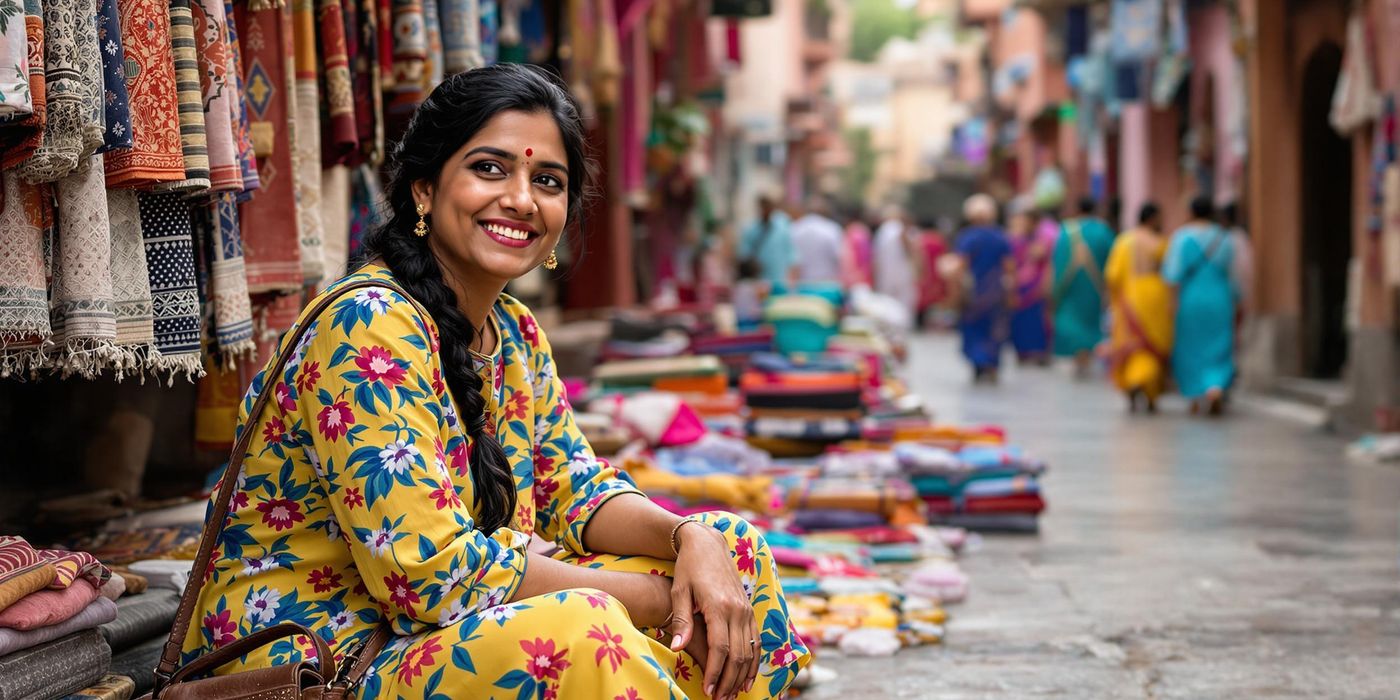
As a mom and avid traveler, I've learned that some of the most precious memories are made when experiencing new cultures with my family. Over the years, I've also discovered that capturing these moments through photography requires more than just pointing and shooting. It's about respecting the culture, understanding the environment, and being prepared to seize those fleeting, authentic interactions. So, grab your camera, and let's dive into some essential tips for capturing cultural moments with your family!
Understanding Cultural Sensitivity in Photography
Before you even pack your bags, it's crucial to do some homework. Understanding the cultural norms of your destination is paramount. This means researching local customs, traditions, and etiquette. Respecting these aspects will not only enrich your travel experience but also ensure you're capturing photos in a considerate manner.
One of the most important things I've learned is to always seek permission before photographing people, especially in sensitive situations. A simple gesture or phrase in the local language can go a long way. During our trip to Rajasthan, India, I made sure to ask permission before photographing the local artisans at work. This not only showed respect but also opened up opportunities for genuine interactions and more meaningful photos.
Also, be aware of restricted areas or subjects. Some religious sites or private properties may have photography restrictions. Ignoring these rules can be disrespectful and may even lead to legal consequences. When visiting temples or mosques, always check for signage or ask a local guide about photography guidelines.
Essential Camera Gear for Cultural Photography
Having the right gear can make a significant difference in capturing those perfect cultural moments. While you don't need to break the bank, investing in a few key pieces of equipment can be incredibly beneficial.
A versatile zoom lens, such as a 24-70mm or 24-105mm, is an excellent choice for capturing a variety of shots, from wide landscapes to close-up portraits. I personally love my 24-70mm lens because it allows me to quickly adapt to different shooting situations without having to constantly switch lenses.
Don't underestimate the importance of a fast prime lens, like a 50mm f/1.8. This lens is fantastic for low-light conditions and portraits, allowing you to capture beautiful, sharp images even when the lighting isn't ideal. It's also lightweight and easy to carry around, making it perfect for long days of exploring.
Of course, don't forget to bring extra memory cards and batteries! There's nothing worse than running out of storage or power in the middle of an incredible cultural event. I always carry at least two extra memory cards and a portable charger to ensure I never miss a shot.
Lastly, invest in a comfortable and sturdy camera bag. You'll be carrying your gear around all day, so it's important to have a bag that's both functional and comfortable. Look for a bag with padded compartments to protect your equipment and adjustable straps for a comfortable fit.
Mastering Camera Settings for Authentic Shots
Understanding your camera settings is crucial for capturing authentic cultural moments. Here are a few key settings to keep in mind:
When photographing festivals or events with lots of movement, use a fast shutter speed to freeze the action and capture sharp images. A shutter speed of 1/250th of a second or faster should do the trick. Adjust your ISO settings for different lighting conditions. In bright daylight, you can keep your ISO low (e.g., ISO 100 or 200). However, in low-light environments, you'll need to increase your ISO to compensate. Be careful not to increase it too much, as this can introduce noise into your images.
Utilize a wide aperture (e.g., f/1.8 or f/2.8) for low-light environments. This will allow more light to enter your lens, enabling you to capture brighter images without having to increase your ISO too much. Understanding white balance settings is also important for accurate color representation. Experiment with different white balance presets (e.g., daylight, cloudy, tungsten) to see which one looks best in a particular lighting situation.
I always recommend shooting in RAW format for better editing flexibility. RAW files contain more information than JPEG files, allowing you to make more adjustments in post-processing without sacrificing image quality. When capturing Anika during cultural events, I often use a combination of fast shutter speeds, wide apertures, and adjusted ISO settings to ensure I get the best possible shots.
Composition Techniques for Capturing Cultural Essence
Composition is key to creating visually appealing and impactful cultural photographs. Here are a few techniques to consider:
Apply the rule of thirds to create balanced compositions. Imagine dividing your frame into nine equal parts with two horizontal and two vertical lines. Place your subject at one of the intersections of these lines to create a more visually interesting composition. Use leading lines to draw the viewer's eye into the scene. Roads, rivers, and fences can all serve as leading lines, guiding the viewer's gaze towards your subject.
Frame your subjects with natural elements to add context and depth. Trees, archways, and doorways can all be used to frame your subject, creating a sense of place and adding visual interest. Capture symmetry and reflections for visually appealing images. Look for symmetrical patterns in architecture or reflections in water to create stunning and eye-catching photographs.
Add foreground elements to create depth and balance. Rocks, flowers, or other objects in the foreground can add depth to your images and create a sense of balance. Don't be afraid to experiment with different angles and perspectives. Get down low, climb up high, or shoot from an unusual angle to create unique and compelling photographs.
Capturing Candid Moments and Storytelling
While posed photos have their place, candid moments often tell a more authentic story. Focus on capturing unposed shots to reveal genuine emotions and interactions. Photographing mundane moments can also be incredibly powerful. These everyday scenes can provide a glimpse into the daily lives of the people you're photographing.
Incorporating people into your photos is essential for showcasing the human experience. Capture their expressions, gestures, and interactions to create a sense of connection and empathy. Zoom in on details to highlight unique aspects of the culture. Close-up shots of hands, faces, or traditional clothing can add depth and intrigue to your photographs.
Always be aware of your surroundings to capture authentic moments. Pay attention to the light, the atmosphere, and the interactions happening around you. My approach to capturing my family's candid interactions involves being patient and observant. I try to blend into the background and let the moments unfold naturally.
Respectful Portrait Photography
Portrait photography can be a wonderful way to connect with the people you meet during your travels, but it's essential to approach it with respect and sensitivity.
Always ask for permission before taking portraits. This is not only polite but also shows that you value the person's dignity and autonomy. Learning basic phrases in the local language can help you connect with your subjects and build rapport. Even a simple hello or thank you can go a long way. Offering to share the photos with the subjects is a nice gesture that can help build trust and create a positive interaction.
Be mindful of cultural sensitivities regarding physical contact. In some cultures, physical touch may be considered inappropriate or disrespectful. Respect personal space and boundaries. Give people enough space to feel comfortable and avoid invading their personal bubble.
Family-Friendly Photography Practices
Traveling with kids can add a unique dimension to your cultural photography, but it also requires some adjustments and considerations.
Involve children in the photography process by giving them their own cameras. This can be a fun and educational way to keep them engaged and interested in the experience. Listen to children's needs and respect their limits. They may not always be in the mood for taking photos, and that's okay. Don't force it. Make the most of golden hours for better lighting. The soft, warm light during sunrise and sunset is ideal for capturing beautiful family photos.
Find open shade or shadows during the day to avoid harsh, unflattering light. Embracing in the moment photos can lead to some of the most cherished memories. Don't worry about perfection. Just capture the joy and spontaneity of the moment. To make photography fun and engaging for Anika, I often turn it into a game. We might go on a scavenger hunt to find specific colors or shapes, or we might create silly poses together.
Ethical Considerations and Responsible Tourism
As travel photographers, we have a responsibility to be ethical and mindful of the impact our work has on the communities we visit.
Avoid making assumptions and always provide context for your photos. Be mindful of potential exploitation or misrepresentation. Ensure that your photos accurately reflect the reality of the situation and avoid perpetuating stereotypes. Support local communities and businesses by purchasing locally made products and services. Respect religious sites and customs by dressing appropriately and following any guidelines or restrictions. Leave no trace and minimize your environmental impact by reducing waste, conserving resources, and avoiding activities that could harm the environment.
I am committed to sustainable and responsible travel photography, and I believe that we can all make a difference by being mindful of our actions and choices. By following these tips, you can capture stunning cultural moments while also respecting the people and places you visit. Happy travels!
Learn how to respectfully capture cultural moments through photography with insights from Priya, a family travel enthusiast. Discover tips on cultural sensitivity, essential gear, and ethical practices.