The Heart of Travel: Why Food?
Food, ah, it's more than just sustenance, you know? It's the rhythm of a culture, the story of a people. Growing up in Linstead, Jamaica, food was everything – family, celebration, tradition. When I travel, I look for that same connection. I remember being in Thailand, trying a simple Pad See Ew from a street vendor. The explosion of flavors – sweet, savory, umami – told me more about Thailand than any guidebook ever could. It showed me the resourcefulness and love that Thai people put into their dishes.
Food has shaped my travels in so many ways, leading to unexpected friendships and unforgettable moments. One time in Italy, I complimented a Nonna on her ragu, and next thing I knew, I was in her kitchen learning the family recipe! These are the experiences I crave – the human connections forged over a shared plate.
Finding the Real Deal: Tips for Authentic Dining
Alright, so how do you find the spots where the locals actually eat? First, ditch the fancy brochures! Look for places that are packed with locals, especially during lunchtime. Trust me, they know where the good food is. If you see a line forming outside a small eatery, that's a good sign!
Online resources can be helpful, but don't rely solely on them. Apps like Google Maps or Yelp can point you in the right direction, but always read the reviews with a grain of salt. Look for reviews that mention local favorites and hidden gems. But the best way? Ask a local! Strike up a conversation with your taxi driver, hotel receptionist, or even someone you meet at a coffee shop. Ask them where they like to eat, and you're sure to get some great recommendations.
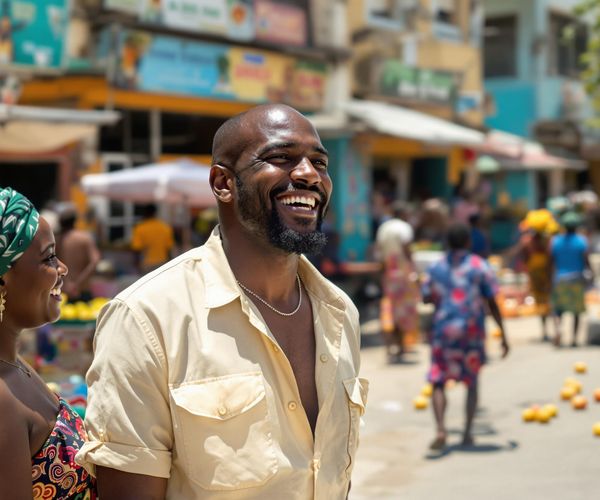
And don't forget the street food! Some of the best meals I've had were from street vendors. Just make sure the food looks fresh and the vendor is busy. Local markets are another goldmine for authentic flavors. Sample the local produce, try the street snacks, and soak in the atmosphere. It's a sensory overload in the best way possible!
Getting Your Hands Dirty: Cooking Classes and Workshops
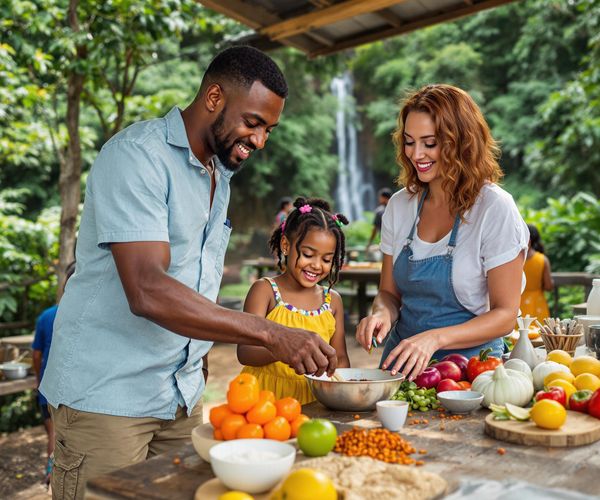
Mon, if you really want to understand a cuisine, you gotta get your hands dirty! I've taken cooking classes all over the world, from making pasta in Bologna to learning the secrets of tagine in Marrakech. It's an incredible way to connect with the local culture and learn about the ingredients and techniques that make each dish unique.
Not only do you get to eat the delicious food you create, but you also gain a deeper appreciation for the culinary traditions of the region. Plus, cooking together can bridge cultural gaps and create lasting friendships. I remember one cooking class in Vietnam where I butchered a spring roll, but everyone laughed, and we all bonded over our shared culinary mishaps.
Finding reputable cooking schools is key. Look for classes that are taught by local chefs and focus on traditional dishes. Read reviews online and ask for recommendations from your hotel or guesthouse. Some classes even include a trip to the local market to source fresh ingredients, which is a bonus!
Market Adventures: A Sensory Overload in the Best Way
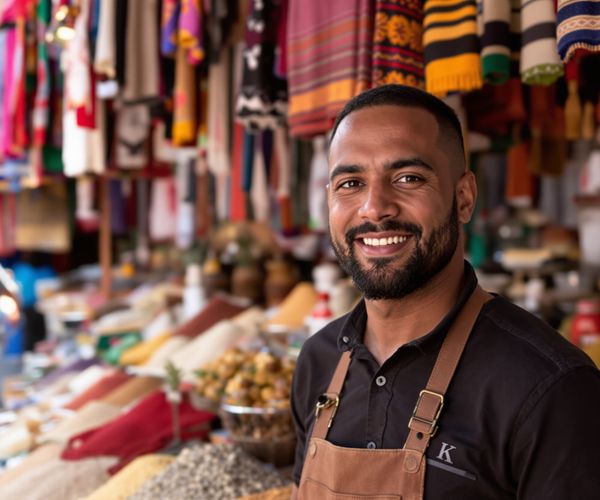
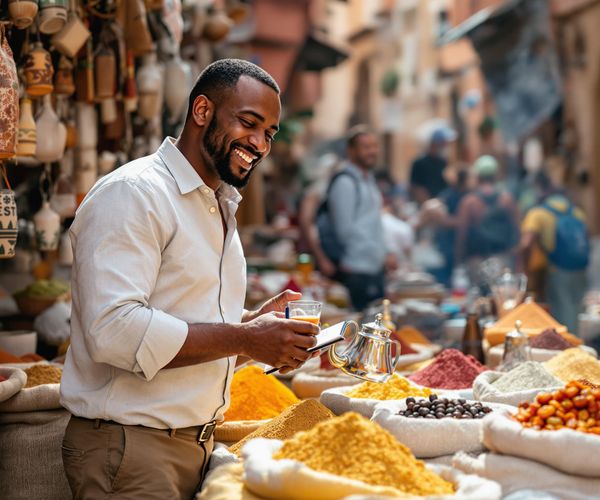
Walking into a local market is like stepping into another world. The sights, sounds, and smells are overwhelming, but in the best way possible. From the vibrant colors of the produce to the lively chatter of the vendors, it's an experience that engages all your senses.
Navigating a market can be intimidating at first, but don't be afraid to dive in! Start by taking a stroll through the aisles, observing the different products and vendors. Don't be shy about asking questions or sampling the goods. Most vendors are happy to share their knowledge and offer you a taste of their specialties.
One of my most memorable market encounters was in Mexico City. I was wandering through a bustling market when I stumbled upon a vendor selling exotic fruits I had never seen before. He patiently explained each fruit, let me sample them, and even shared some tips on how to prepare them. It was a truly special experience that I'll never forget. Each region has its unique ingredients and flavors. Exploring these local markets allows you to discover these culinary treasures and understand the food culture more deeply.
Mind Your Manners: Navigating Local Dining Etiquette
When you're dining in a foreign country, it's important to respect the local customs and traditions. What might be considered polite in one culture could be offensive in another. Before you travel, take some time to research the dining etiquette of your destination.
For example, in some Asian countries, it's considered rude to stick your chopsticks upright in a bowl of rice. In the Middle East, it's customary to eat with your right hand only. And in some European countries, it's considered impolite to ask for cheese with your seafood pasta. Knowing these little nuances can go a long way in showing respect for the local culture.
Even if you make a mistake, don't worry too much about it. Most people will appreciate your effort to learn about their culture. A simple apology and a willingness to learn from your mistakes will usually suffice. And don't underestimate the power of a smile and a few basic phrases in the local language. Learning how to say please, thank you, and delicious can make a big difference in your interactions with locals.
Yaad Vibes on the Road: Bringing Jamaican Flavors to New Places
No matter where I travel, I always carry a little piece of Jamaica with me. Whether it's a bottle of jerk seasoning or a bag of allspice berries, I love to incorporate Jamaican flavors into my culinary adventures. Sometimes it's as simple as adding a dash of Scotch bonnet pepper to a local dish or whipping up some ackee and saltfish for my new friends.
Finding familiar ingredients abroad can be a challenge, but it's also part of the fun. I remember one time in Germany when I spent hours searching for callaloo, a leafy green that's essential to Jamaican cuisine. When I finally found it at an African market, I was so excited!
Sharing Jamaican cuisine with new friends is one of my greatest joys. I love to see their faces light up when they try jerk chicken or curried goat for the first time. It's a way to share my culture and connect with people on a deeper level. Food is a powerful tool for cultural exchange. It can break down barriers, foster understanding, and create lasting memories. So next time you travel, don't just see the world, taste it! And don't be afraid to share your own culinary traditions with the people you meet along the way.
Chef Robert shares tips on immersing in local cuisines while traveling. Discover authentic dining, cooking classes, market visits, and dining etiquette for a richer cultural experience.