Understanding Sustainable Travel: More Than Just a Trend
Sustainable travel, my friends, is about more than just following the latest fad. It's about being mindful of the impact we have on the places we visit, both environmentally and socially. Think about it: when we travel, we're guests in someone else's home. We wouldn't trash our own yard, so why would we trash someone else's?
Tourism can put a strain on the environment, from the carbon emissions of flights to the waste generated by hotels. Socially, it can sometimes lead to the exploitation of local communities and the erosion of cultural heritage. But sustainable travel offers a solution. It's about minimizing those negative impacts and maximizing the positive ones. It's about supporting local businesses, respecting local customs, and preserving the beauty of our planet for future generations.
When we travel sustainably, we're not just seeing the world, we're investing in it. We're helping to create a more equitable and resilient tourism industry that benefits everyone involved. Plus, it often leads to richer, more authentic experiences. Trust me, chatting with a local artisan is way more rewarding than buying a mass-produced souvenir.
Budget-Friendly Eco-Accommodations: Finding Your Green Home Away From Home
Alright, so where do we rest our heads without breaking the bank or harming the planet? Forget those fancy, energy-guzzling hotels. There are plenty of affordable eco-friendly options out there. Think hostels, guesthouses, and homestays. These places often have a smaller environmental footprint and offer a more intimate, local experience.
When booking, look for certifications and labels like Green Key or LEED. These certifications indicate that the accommodation meets certain environmental standards. Don't be afraid to ask questions about their sustainability practices. How do they conserve water? Do they recycle? The more you know, the better.
I remember staying at a small guesthouse in Costa Rica that was powered entirely by solar energy. The owners were passionate about sustainability, and they shared their knowledge with all the guests. It was an inspiring and educational experience. Plus, the price was right!
Another tip: consider accommodations that offer cooking facilities. Eating out every night can be expensive and generate a lot of waste. Cooking your own meals, even just a few times a week, can save you money and reduce your environmental impact. Plus, it's a great way to experiment with local ingredients.
Eat Like a Local, Spend Like a Tourist (But Smarter!)
Food is a big part of any travel experience, and it's also an opportunity to travel sustainably. Eating locally sourced food supports local farmers and reduces the carbon footprint associated with transporting food over long distances. Plus, it's usually way more delicious!
Skip the tourist traps and head to local eateries and street food vendors. These places often offer authentic cuisine at affordable prices. Don't be afraid to try new things! Ask the locals for recommendations. They know where the best food is.
Food waste is a big problem, so be mindful of how much you order. Bring your own containers to store leftovers. If you're eating at a buffet, take only what you can eat. And if you have food scraps, consider composting them if possible.
Trying local cuisine is also a great way to immerse yourself in the culture. Food tells a story about a place and its people. So, open your mind (and your mouth) and get ready for a culinary adventure!
Getting Around Green: Affordable and Eco-Friendly Transportation
Flying is one of the most carbon-intensive activities we can do, so when possible, prioritize public transportation, cycling, and walking. These options are not only more eco-friendly, but they also offer a more intimate way to experience a destination.
Check for affordable train and bus tickets. Many countries offer rail passes that can save you money on long-distance travel. Consider carpooling or ride-sharing options. And if you're exploring a city, walking or cycling is a great way to get around and discover hidden gems.
I'm a big fan of slow travel. Instead of trying to cram as many destinations as possible into a short period, take your time and explore each place at a relaxed pace. This allows you to connect with the local culture and appreciate the beauty of your surroundings. Plus, it reduces your carbon footprint.
Pack Light, Travel Right: Sustainable Packing Tips for the Budget-Conscious Traveler
Packing light is not just good for your back; it's also good for the environment. The heavier your luggage, the more fuel the plane needs to burn. So, create a minimalist packing list and only bring what you really need.
Choose eco-friendly travel products. Bring a reusable water bottle, a bamboo toothbrush, and solid toiletries. These items are not only better for the environment, but they can also save you money in the long run.
Support businesses that promote sustainable practices through your travel purchases. Look for products made from recycled materials or that are ethically sourced. And always bring a reusable shopping bag to avoid single-use plastics.
Supporting Local Businesses: Investing in the Community You Visit
Supporting local businesses is crucial for sustainable tourism. When you spend your money at locally owned shops, restaurants, and hotels, you're directly investing in the community you're visiting. This helps to create jobs, support local economies, and preserve cultural heritage.
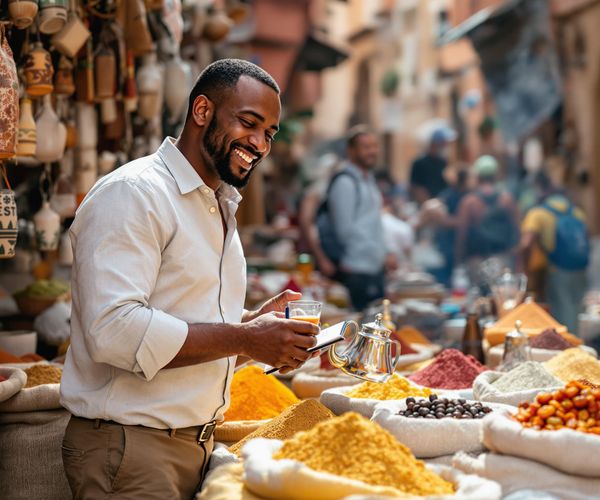
Seek out authentic local experiences. Visit local markets, artisan workshops, and community-based tours. These experiences offer a more intimate and meaningful connection with the destination.
There are so many local businesses making a positive impact. Look for businesses that are committed to sustainability, fair trade, and ethical consumption. Your choices can make a difference.
Reduce, Reuse, Recycle: Minimizing Waste on the Road
Waste is a major environmental problem, so it's important to minimize your waste while traveling. Avoid single-use plastics whenever possible. Bring your own water bottle and coffee cup. Say no to plastic straws and bags.
Find out how to find recycling facilities in different destinations. Many cities have public recycling programs. If you're staying in a hotel, ask about their recycling policies.
Composting food scraps is another great way to reduce waste. If you're staying in a place with a garden, ask if you can compost your food scraps.
Support initiatives that promote waste reduction and recycling in the tourism industry. Look for businesses that are committed to reducing their environmental impact.
Embrace the Unexpected: The Joys of Spontaneous Sustainable Adventures
Finally, remember to embrace the unexpected. Be flexible and spontaneous in your travel plans. Some of the best travel experiences come from unplanned adventures.
Explore off-the-beaten-path destinations. These places are often less crowded and offer a more authentic cultural experience. Plus, they can be more affordable.
I remember getting lost in the backstreets of Marrakech and stumbling upon a hidden tea house. I spent the afternoon chatting with the owner and learning about Moroccan culture. It was an unforgettable experience.
Connecting with local communities and cultures is what sustainable travel is all about. So, get out there, explore, and be open to new experiences. You might just surprise yourself. Yaad!
Discover budget-friendly strategies for sustainable travel, like eco-accommodations and local dining, to minimize your environmental impact while enjoying authentic experiences.