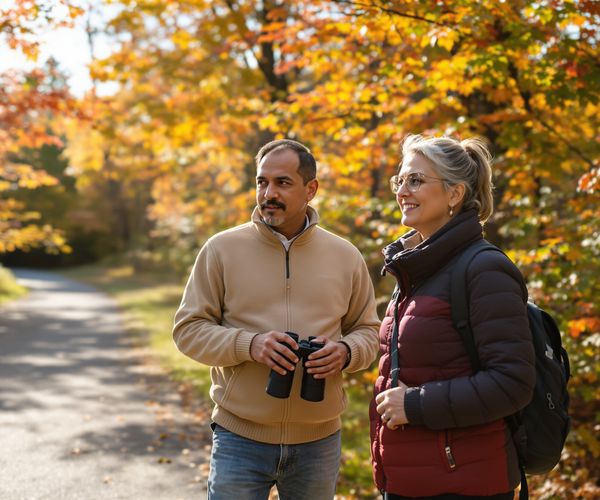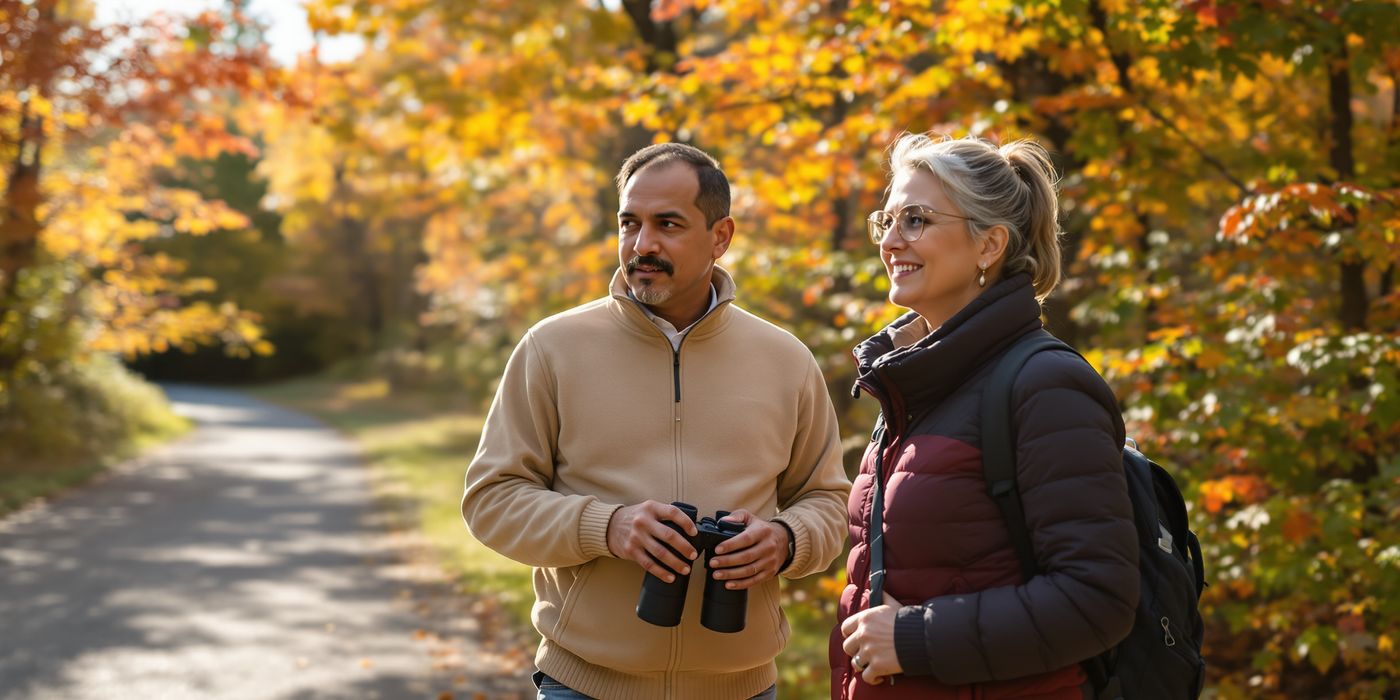
My family and I have always cherished our travels, but a few years ago, we discovered a way to make them even more enriching: birdwatching! What started as a simple curiosity has blossomed into a full-fledged passion, adding a delightful dimension to our explorations. From the vibrant streets of Toronto to the serene landscapes of Stratford, we've found that the world of birds offers endless opportunities for discovery and connection.
Embracing Birdwatching on Your Travels
Birdwatching, or birding as some call it, is soaring in popularity as a travel activity, and for good reason! It's a fantastic way to connect with nature, learn about different ecosystems, and appreciate the incredible diversity of life on our planet. For my family, it's become a cherished part of our adventures. I remember our trip to Point Pelee National Park. We were hoping to see some migrating warblers, and we were absolutely blown away by the sheer number and variety of birds. My son, Miguel, was especially thrilled when he spotted a bright yellow Prothonotary Warbler – a real highlight!
Beyond the thrill of spotting new species, birdwatching offers valuable educational and environmental benefits. It encourages us to be more mindful of our surroundings, fostering a deeper appreciation for the natural world. It’s something Elena and I have tried to instill in Miguel from a young age. Even here in Stratford, we have some wonderful local birding spots. The Stratford Perth Museum has some great walking trails where you can spot various songbirds and waterfowl. It’s amazing what you can find with a little patience and a good pair of binoculars!
Essential Gear for the Traveling Birdwatcher
You don't need a lot of fancy equipment to get started with birdwatching, but having the right gear can certainly enhance your experience. Here’s a list of essentials I recommend for any traveling birdwatcher:
- Binoculars: A good pair of binoculars is essential for spotting birds at a distance. Look for binoculars with a magnification of 8x or 10x and an objective lens diameter of 42mm. Consider ergonomics and weatherproofing, especially if you plan to birdwatch in various climates.
- Field Guide: A field guide is your go-to resource for identifying birds. You can choose between a traditional book or a birdwatching app on your smartphone. I personally like having both!
- Appropriate Clothing: Dress in comfortable layers and choose neutral colors to blend in with your surroundings. A hat and waterproof jacket are also good to have, depending on the weather.
- Lightweight Backpack: A small backpack is perfect for carrying your binoculars, field guide, water bottle, and snacks.
Finding the Best Birdwatching Locations
One of the most exciting parts of planning a birdwatching trip is researching potential locations. Fortunately, there are many resources available to help you find the best birding hotspots. Online databases like eBird are invaluable for discovering locations with high bird diversity and recent sightings. Local birding guides and websites can also provide valuable insights. Before any trip, I spend hours researching different locations. I also like to check out local bird clubs or communities. They often have up-to-date information on recent sightings and can offer valuable tips.
Don't forget to consider the time of year and migration patterns when choosing a destination. Spring and fall are typically the best times for birdwatching, as many birds migrate during these seasons.
Joining Guided Birdwatching Tours
If you're new to birdwatching or visiting an unfamiliar location, joining a guided birdwatching tour can be a great way to enhance your experience. Local guides possess the expertise to spot and identify species that you might otherwise miss. They also know the best locations and times to find specific birds.
There are many reputable birding tour companies that offer tours worldwide. When researching tours, pay close attention to the itinerary and focus on target species that interest you. For example, if you're interested in seeing puffins, look for a tour that visits a puffin colony during breeding season.
Leveraging Birdwatching Apps for Identification and Tracking
In today's digital age, birdwatching apps have become indispensable tools for birders of all levels. These apps can help you identify birds, learn their songs, and track your sightings. Some popular birdwatching apps include:
- Merlin Bird ID: This app uses AI-powered identification to help you identify birds from photos or descriptions. It can even identify birds by their songs!
- eBird: This app allows you to track your bird sightings and contribute to a global database of bird observations. It's a great way to learn about bird distribution and migration patterns.
- Birda: This app combines bird identification, learning, and sharing features. It's a great way to connect with other birders and learn from their experiences.
Contributing to Citizen Science Projects
One of the most rewarding aspects of birdwatching is the opportunity to contribute to citizen science projects. These projects rely on volunteers to collect data on bird populations and distribution, which helps scientists understand and protect these amazing creatures. Here are a few citizen science projects that you can participate in:
- Great Backyard Bird Count (GBBC): This annual event takes place every February and encourages people to count birds in their backyard or local park.
- NestWatch: This project involves monitoring bird nests and collecting data on nesting success.
- eBird: As mentioned earlier, eBird allows you to report your bird sightings and contribute to a global database.
By participating in these projects, you can help scientists track bird populations, monitor migration patterns, and assess the impact of environmental changes.
Practicing Ethical Birdwatching
As birdwatchers, it's our responsibility to minimize our impact on birds and their habitats. Here are a few ethical birdwatching practices to keep in mind:
- Keep a respectful distance from birds, especially nesting birds.
- Reduce noise and avoid using recordings excessively.
- Wear neutral colors and stay on designated trails.
- Respect private property and follow local regulations.
By following these guidelines, we can ensure that birdwatching remains a sustainable and enjoyable activity for generations to come.
Discover how to incorporate birdwatching into your travels for a richer experience. Get tips on gear, locations, apps, and ethical practices.