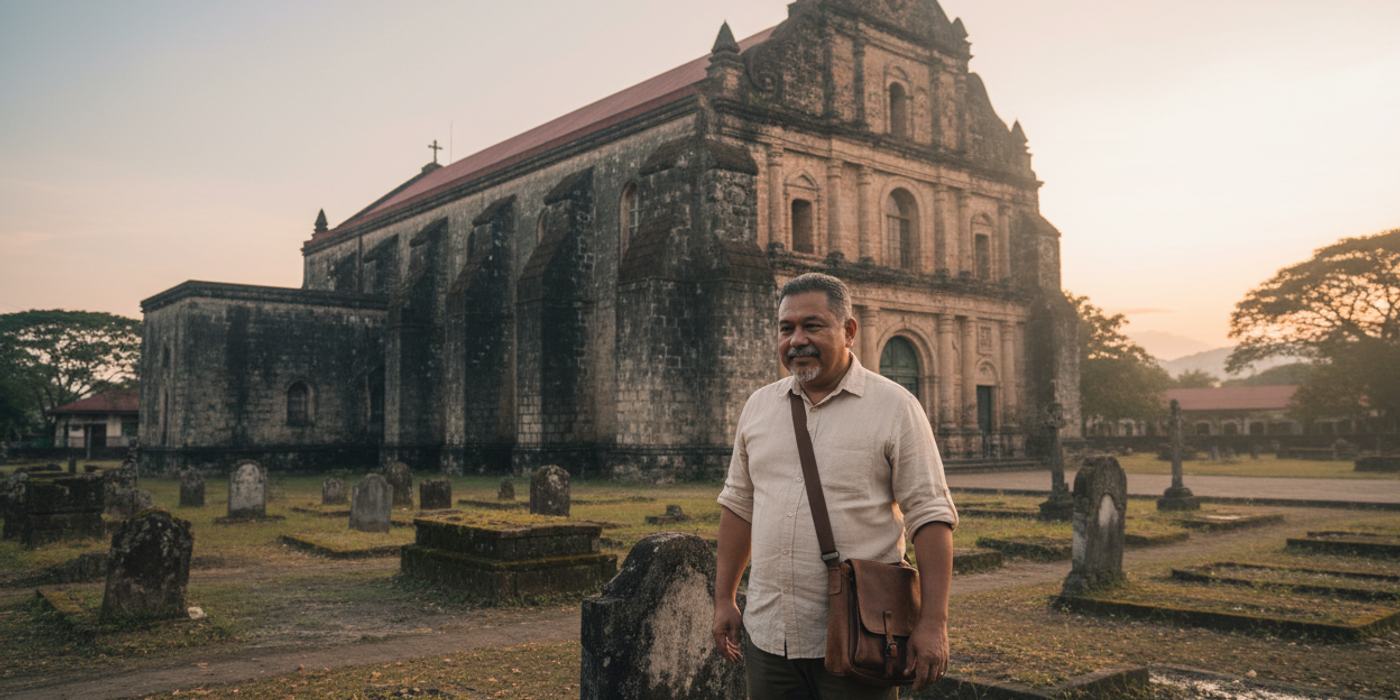
The scent of damp earth and old stone filled my nostrils as I stood in the ancient churchyard, a place my great-grandparents had walked. It was a moment of profound connection, a feeling I wouldn't trade for anything. This is the allure of genealogy travel – a chance to walk in the footsteps of your ancestors, to breathe the same air, and to understand a little more about who you are and where you come from.
The Allure of Ancestral Lands
There's a growing trend these days: genealogy travel, sometimes called heritage tourism. People are increasingly drawn to explore their roots, to visit the lands of their ancestors, and to connect with their family history. And why not? In our fast-paced, modern world, there's something deeply satisfying about understanding where you fit into the grand tapestry of time.
For me, Rogelio, this interest is deeply personal. Born in Laoag, Philippines, and now living in Stratford, Canada, I often find myself thinking about my family back home. The stories my Lola (grandmother) told me as a child, the traditions we celebrated – these are all threads in the rich fabric of my heritage. That’s why genealogy, and the idea of traveling to connect with those roots, resonates so strongly with me.
The benefits are more than just historical; there's an emotional and psychological component, too. Connecting with your roots can provide a sense of belonging, a deeper understanding of your identity, and even a boost in self-esteem. It's about understanding the sacrifices and triumphs of those who came before you, and appreciating the legacy they left behind.
Laying the Groundwork: Research Before You Travel
Before you book that plane ticket, remember: thorough research is key. A genealogy-focused trip isn't just a vacation; it's an exploration, and like any good explorer, you need a map.
Start by building your family tree. There are fantastic online resources available, such as Ancestry.com, MyHeritage, and FamilySearch. These platforms allow you to trace your lineage, discover records, and connect with other researchers. I’ve spent countless hours on these sites, piecing together my own family history.
Consider DNA testing as well. Companies like 23andMe and AncestryDNA can provide insights into your ethnic origins and regional connections. It's fascinating to see the geographical breakdown of your ancestry and to potentially discover living relatives you never knew existed.
Don't underestimate the value of old-fashioned paperwork! Gather documents like birth, marriage, and death certificates, immigration records, and census data. These documents provide concrete evidence and can help you pinpoint key locations and dates.
Planning Your Genealogy-Focused Itinerary
Now for the exciting part: planning your trip! This is where your research comes to life. The goal is to identify key locations where your ancestors resided – ancestral towns, villages, or even specific regions.
Think about visiting cemeteries, churches, old family homes (if they still exist), and historical societies. These places hold clues to your family's past and can provide a tangible connection to your heritage. During my own research, I discovered that several of my ancestors were married in a particular church in Ilocos Norte. Visiting that church is now high on my list.
It's crucial to contact local archives, libraries, and churches in advance. Many of these institutions hold valuable records that aren't available online. Requesting access to these records ahead of time can save you valuable time and effort during your trip.
Immersing Yourself in the Culture
Genealogy travel is about more than just dates and documents; it's about experiencing the culture of your ancestors. Take the time to explore the local culture and traditions of your ancestral lands.
Try traditional cuisines, attend local festivals, and visit historical sites. Food, in particular, can be a powerful link to the past. Imagine tasting the same dishes your ancestors enjoyed generations ago!
Learn about local customs and etiquette. Showing respect for the local culture will not only enhance your experience but also demonstrate your genuine interest in your heritage. A simple “thank you” in the local language can go a long way.
Connecting with Living Relatives (If Possible)
One of the most rewarding aspects of genealogy travel is the possibility of connecting with living relatives. If your research leads you to potential relatives in the area, consider reaching out.
Be courteous and respectful when making contact. Remember, these are distant relatives you may not know. Explain your connection to the family and express your interest in learning more about your shared history.
Prepare for meeting relatives by gathering photos and stories to share. This will help break the ice and create a meaningful connection. Sharing a meal together, exchanging family anecdotes – these are moments you'll treasure forever.
Documenting Your Journey
Don't forget to document your genealogy travel experience! This is not just for your own memories but also for future generations of your family.
Keep a journal, take photos and videos, and create folders for documents and records. Imagine your grandchildren poring over these materials years from now, learning about their heritage through your eyes.
Consider sharing your findings with others through online platforms like Find a Grave and FamilySearch. You never know who might stumble upon your research and make a new connection.
Navigating Challenges and Unexpected Discoveries
Genealogy travel isn't always smooth sailing. You might encounter challenges such as language barriers, limited access to records, or conflicting information. Be prepared for the unexpected.
It's also important to acknowledge the emotional impact of uncovering difficult or unexpected family history. You might discover stories of hardship, loss, or even scandal. Allow yourself time to process these discoveries and remember that your ancestors were human beings, just like you.
Cope with these challenges by staying flexible, seeking help from local experts, and focusing on the learning opportunities that arise. Even the difficult stories are part of your heritage and can provide valuable insights into your family's past.
Embark on a journey to your ancestral lands. Discover how to plan a genealogy-focused trip, connect with relatives, and immerse yourself in your heritage.