Mabuhay, fellow travelers! As someone who’s journeyed from the vibrant streets of Laoag, Philippines, to the welcoming landscapes of Stratford, Canada, I’ve come to realize that travel isn't just about seeing new places; it's about discovering ourselves through the stories of our ancestors. Join me as we explore the profound impact of genealogical travel, a path that leads us back to our roots and enriches our understanding of who we are.
Embarking on a Journey of Self-Discovery
Genealogical travel is more than just a vacation; it's a pilgrimage to the past, a quest for identity, and an opportunity to connect with something larger than ourselves. For me, tracing my family history has been a deeply personal journey, one that has strengthened my ties to my Filipino heritage. Growing up in Laoag, I was surrounded by stories of my ancestors, but it wasn't until I started actively researching my family tree that I truly began to understand the sacrifices and triumphs that shaped my family's story.
As Filipino expats in Canada, it's easy to feel disconnected from our roots. The distance, both physical and cultural, can sometimes feel vast. But genealogical travel offers a bridge, a way to traverse that distance and reclaim our heritage. It allows us to walk in the footsteps of our ancestors, to see the world through their eyes, and to gain a deeper appreciation for the traditions and values that have been passed down through generations.
Be prepared for emotional experiences. Standing on the land where your great-grandparents lived, seeing the church where they were married – these moments can be incredibly powerful. It's a chance to connect with your family on a level you never thought possible.
Laying the Groundwork: Researching Your Family History
Before you pack your bags, the first step in genealogical travel is to do your homework. Start by exploring online resources such as Ancestry.com, FamilySearch, and MyHeritage. These platforms offer access to vast databases of birth certificates, marriage records, census data, and other valuable documents. Don't overlook local archives, libraries, and historical societies, which may hold unique information about your family's history.
Gathering existing family documents is crucial. Sift through old photo albums, letters, and journals. Talk to older relatives; they often hold a treasure trove of stories and anecdotes that can fill in the gaps in your research. Reach out to distant relatives, even those you've never met. You never know what information they might have tucked away.
Consider DNA testing. Companies like 23andMe and AncestryDNA can provide valuable insights into your ethnic origins and help you identify potential relatives. DNA results can help focus your research on specific regions or communities, making your genealogical journey more targeted and efficient.
Planning Your Genealogical Trip: A Step-by-Step Guide
With your research in hand, it's time to plan your genealogical trip. Start by setting clear goals. What specific questions do you hope to answer during your journey? What ancestral sites do you want to visit? Defining your research focus will help you create a structured itinerary.
Contact archives, libraries, and historical societies in advance. Confirm their hours of operation and inquire about access to records. Some institutions may require appointments or charge fees for research services. Be sure to factor these costs into your budget.
While it's important to have a plan, remember to be flexible. Unexpected discoveries often arise during genealogical travel. Be open to detours and spontaneous adventures. You might stumble upon a hidden cemetery, a long-lost relative, or a fascinating historical landmark that wasn't on your original itinerary.
Balance your research with cultural immersion. Take time to explore local cuisine, visit historical sites, and attend cultural events. Talk to locals and learn about their traditions and customs. Immersing yourself in the local culture will enrich your understanding of your ancestors' lives and experiences.
Before traveling to Europe, be aware of the new travel requirements. Starting in 2025, many travelers will need an ETIAS (European Travel Information and Authorisation System) visa waiver. Also, the EES (Entry/Exit System) is being implemented to register travelers from non-EU countries. Make sure you are prepared!
Visiting Ancestral Sites: Walking in Your Ancestors' Footsteps
Visiting ancestral sites is perhaps the most rewarding aspect of genealogical travel. Walking through the same streets, visiting the same churches, and seeing the same landscapes as your ancestors can be a deeply moving experience. Explore ancestral homes, cemeteries, and other sites of significance to your family history. Take photos, make notes, and allow yourself to soak in the atmosphere.
Explore the social and cultural context of your ancestors' lives. Visit historical landmarks, museums, and cultural centers. Learn about the events and trends that shaped their world. Understanding the historical context will give you a deeper appreciation for their struggles and triumphs.
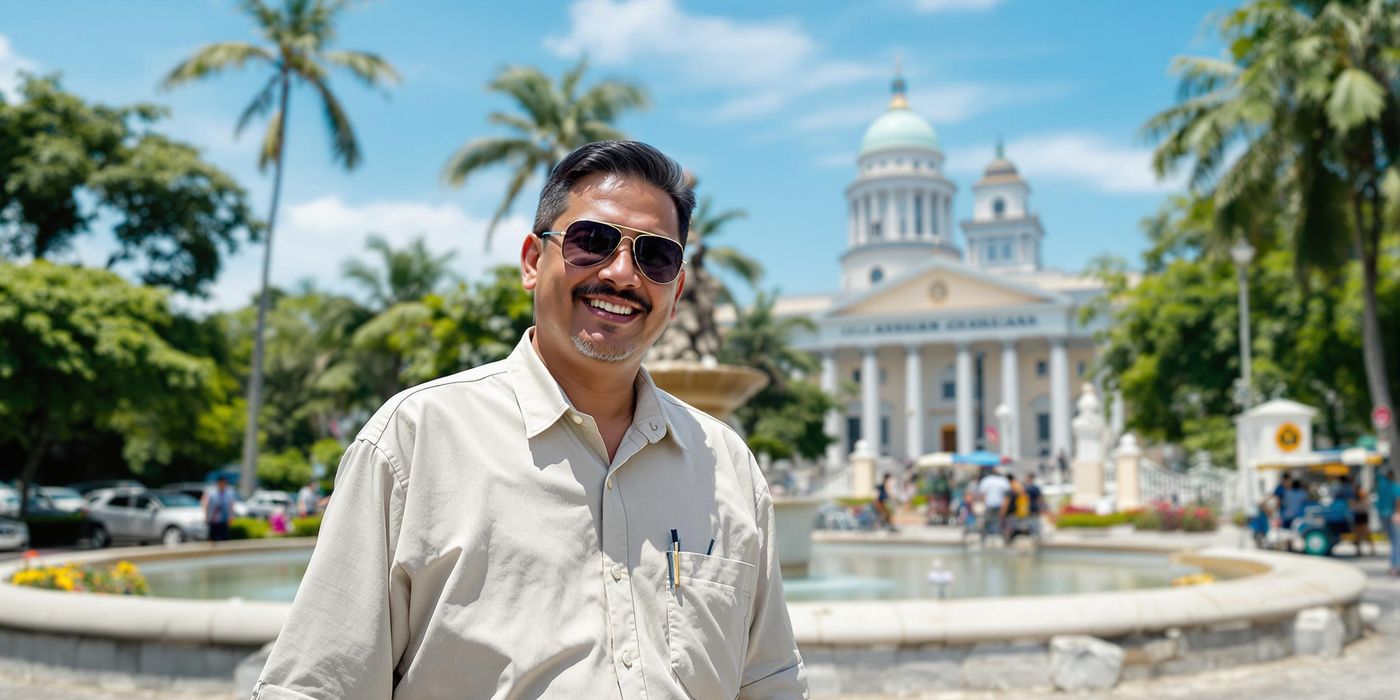
I remember visiting my ancestral hometown in Laoag. Standing in the town square, I felt an overwhelming sense of connection to my family. I could almost hear the voices of my ancestors echoing through the centuries. It was an experience that I will never forget.
Engage with local reenactments or living history experiences. These immersive events can bring the past to life and give you a glimpse into what life was like for your ancestors. Participate in traditional ceremonies, learn about ancient crafts, and sample historical cuisine.
Connecting with Distant Relatives: Building Bridges Across Generations
Connecting with distant relatives can be one of the most fulfilling aspects of genealogical travel. Use social media, genealogy websites, and community events to find potential relatives. Attend family reunions, genealogy conferences, and local historical society meetings. You never know who you might meet.
Initiate conversations and build relationships with newfound family members. Share stories, photos, and documents. Ask questions about their lives and experiences. Be open to learning about different perspectives and customs. Building bridges across generations can enrich your life in countless ways.
Respect cultural differences and customs when interacting with relatives from different backgrounds. Be mindful of language barriers, religious beliefs, and social norms. Show genuine interest in their culture and be willing to adapt to their customs. Remember, building relationships is about mutual respect and understanding.
Maintain connections with distant relatives after your trip. Schedule virtual meetings, exchange emails, and share photos and updates. Plan future visits and family gatherings. Nurturing these relationships will keep your family history alive and ensure that your ancestors' stories are never forgotten. If possible, visit your relatives in person. There's nothing quite like a face-to-face conversation to strengthen family bonds.
Preserving Your Family History: Documenting and Sharing Your Discoveries
Document your genealogical journey through journaling, photography, and videography. Keep a detailed record of your research, travels, and encounters. Take photos of ancestral sites, family documents, and newfound relatives. Create videos to capture interviews, reenactments, and cultural events. These records will serve as a valuable resource for future generations.
Digitize your photographs, notes, and documents to preserve them for future generations. Scan old photos, transcribe handwritten letters, and create digital copies of important documents. Store these files in a secure location, such as a cloud-based storage service or an external hard drive.
Share your experiences with others. Create a presentation, write a blog, or host a family gathering to share your discoveries and inspire relatives to connect with their heritage. Encourage them to conduct their own research and contribute to the family history. Sharing your passion for genealogy can ignite a spark in others and keep the family story alive.
Consider creating a photobook to visually tell the story of your genealogical journey. Include photos of ancestral sites, family members, and important documents. Add captions and anecdotes to bring the story to life. A photobook is a wonderful way to preserve your family history and share it with loved ones.
Update your family trees with new information and stay in touch with people you met during the trip. Genealogical research is an ongoing process. New discoveries are constantly being made, and family trees are always evolving. Keep your records up-to-date and continue to connect with relatives and researchers. The more you learn, the richer your understanding of your family history will become.
Embark on a transformative journey to uncover your family's past. Rogelio shares his experiences and tips for planning a genealogical trip, connecting with distant relatives, and preserving your heritage.