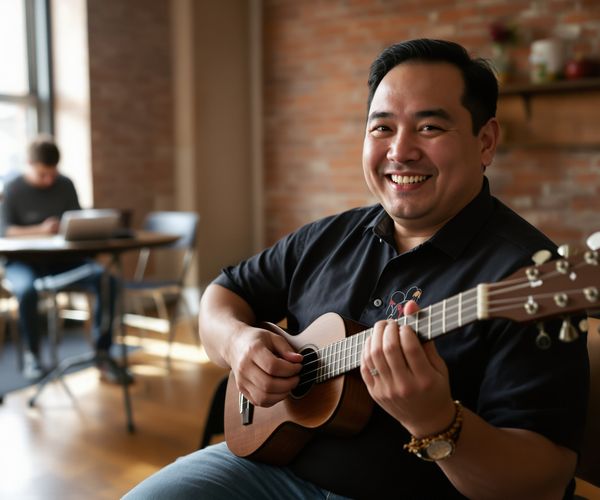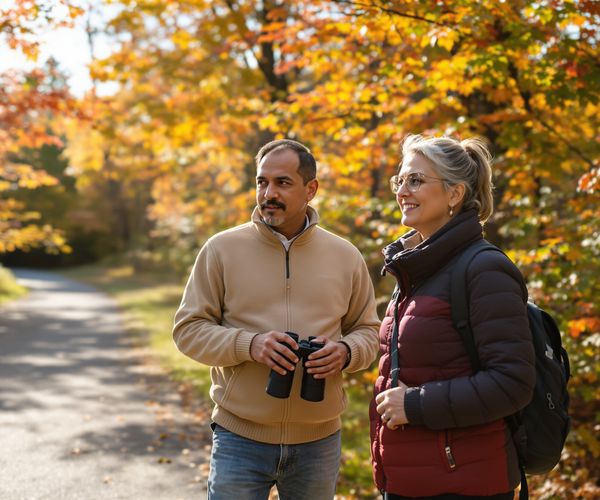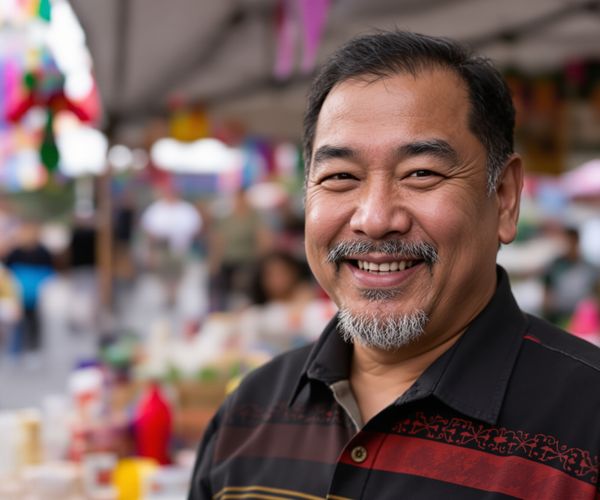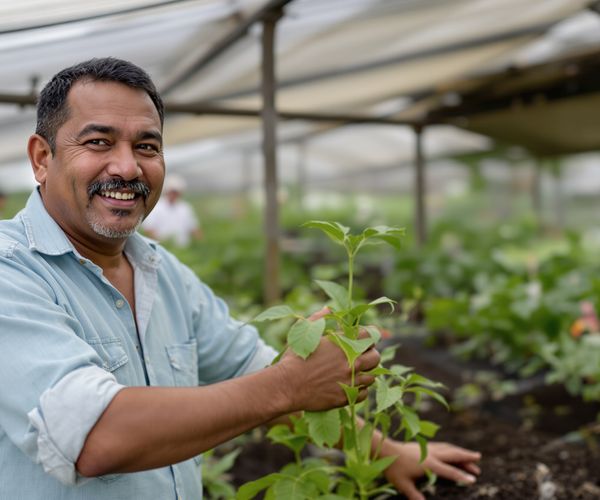
Konnichiwa, fellow travelers! Rogelio here, ready to share some tips I've picked up over the years on how to capture those unforgettable moments during your adventures. For me, photography isn't just about taking pictures; it's about telling stories, preserving memories, and sharing the beauty of the world with others. Whether you're planning a grand expedition or a simple weekend getaway, these insights will help you elevate your travel photography game.
Choosing the Right Equipment for Your Travel Style
Selecting the right gear can feel overwhelming, but it doesn't have to be! The first question to ask yourself is: what kind of traveler are you? Are you a minimalist, or do you prefer having all the options at your fingertips?
For many, a smartphone is more than sufficient. Modern smartphones boast impressive camera capabilities, and their convenience is undeniable. If you're looking for something more, consider a point-and-shoot camera or a mirrorless/DSLR camera. Mirrorless and DSLR cameras offer greater versatility with interchangeable lenses and manual controls, but they also come with a steeper learning curve and a bigger investment.
Sensor size is crucial. A larger sensor captures more light, resulting in better image quality, especially in low-light situations. Lens versatility is also key. A versatile zoom lens (like a 24-70mm or 24-105mm) is a great all-around option, while a prime lens with a wide aperture (like an f/1.8 or f/2.8) excels in low light and creates beautiful bokeh.
Don't forget the accessories! Extra batteries are a must, as is a high-capacity SD card. A portable SSD is essential for backing up your photos on the go, and a lightweight tripod can be a lifesaver for landscape shots and low-light photography.
For our family trips, I've learned that simplicity is key. When the kids were younger, I opted for a robust point-and-shoot that could withstand bumps and splashes. Now that they're older, I use a mirrorless camera with a versatile zoom lens. It strikes the perfect balance between image quality and portability.
Understanding Light and Composition
Light is everything in photography. The 'golden hour' (the hour after sunrise and the hour before sunset) and the 'blue hour' (the hour after sunset and the hour before sunrise) offer the most magical light for travel photos. The soft, warm light of the golden hour creates a beautiful glow, while the cool, ethereal light of the blue hour adds a touch of drama.
Harsh midday sun can be challenging. Try to shoot in the shade or wait for a cloudy day. If you must shoot in direct sunlight, use a reflector to bounce light onto your subject or adjust your camera settings to compensate for the bright light.
Composition is just as important as light. The Rule of Thirds is a fundamental technique. Imagine dividing your frame into nine equal parts with two horizontal and two vertical lines. Place your subject at the intersection of these lines for a more balanced and visually appealing composition. Leading lines draw the viewer's eye into the scene. Symmetry can create a sense of order and balance. Framing uses elements in the foreground to create a frame around your subject.
Don't forget the foreground! Adding foreground elements adds depth and scale to your photos. A simple rock, a flower, or a person can make a big difference.
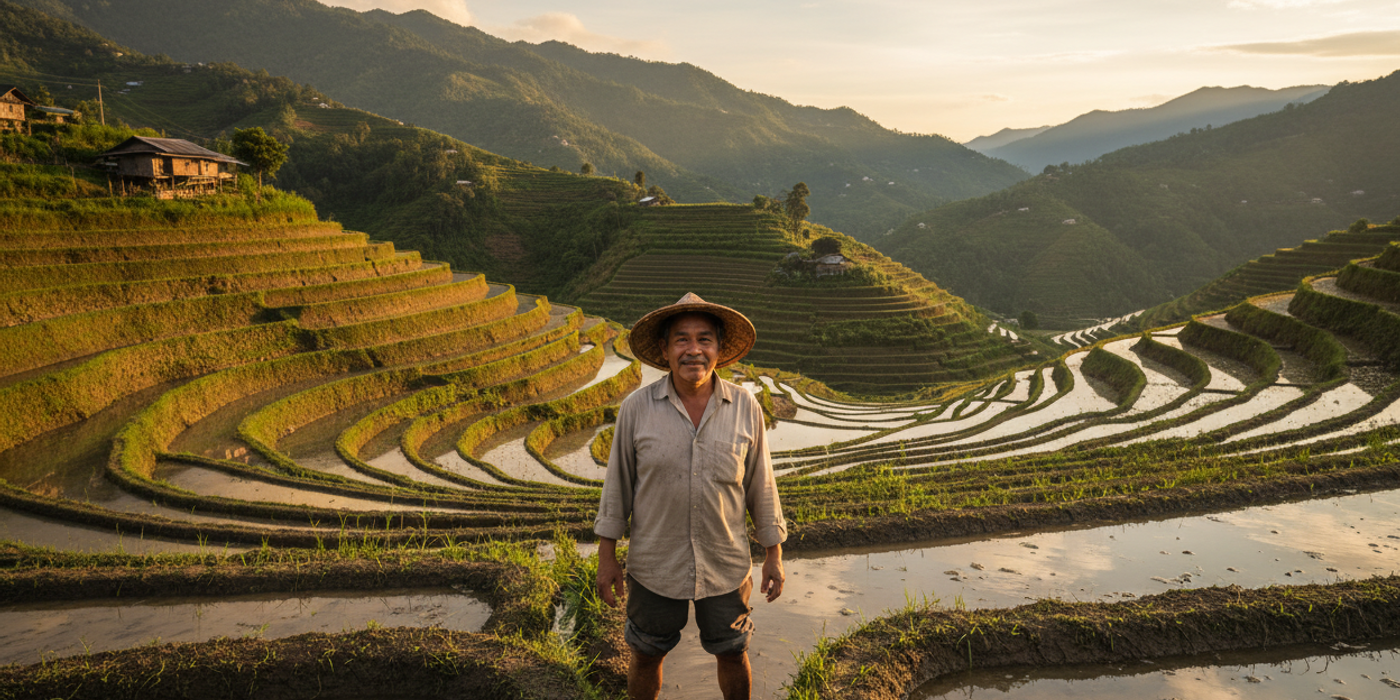
I'll never forget photographing the rice terraces in the Philippines during golden hour. The light was simply breathtaking, and the foreground elements (the farmers working in the fields) added a sense of scale and perspective. Similarly, capturing the Canadian Rockies during the blue hour, with the snow-capped peaks silhouetted against the twilight sky, was an unforgettable experience.
Capturing Cultural Elements and Telling Stories
Travel photography is about more than just landmarks; it's about capturing the essence of a place and its people. Photographing people and their interactions is a great way to tell stories and connect with different cultures.
Try to capture the 'feel' of a place, not just the sights. Focus on the details: the textures, the colors, the sounds, and the smells.
Ethical travel photography is crucial. Always ask permission before photographing people, especially in sensitive situations. Respect local customs and traditions. Be mindful of your impact on the environment.
Integrating personal stories into your photographs adds depth and meaning. Share your experiences, your emotions, and your connections with the people and places you encounter.
I've had some incredible experiences photographing cultural events. The vibrant colours and energy of the Filipino festivals in Toronto are always a joy to capture. And in the Philippines, photographing the traditional dances and ceremonies is a privilege and an honour.
Essential Photography Techniques
Before you even start shooting, remember the Three C's: Clean, Charge, Check. Clean your lens, charge your batteries, and check your camera settings. This simple routine can prevent a lot of frustration.
The 'wait for it' method is perfect for capturing candid shots. Find a good location, set your camera settings, and wait for the right moment to happen. Patience is key!
Apply the 'Rule of Three': Capture The Wide Shot (to establish the scene), The Mid Shot (to show the subject in its context), and The Detail Shot (to highlight interesting details).
Always check the edges of the frame before you press the shutter. Make sure there are no distracting elements creeping into the shot.
Experiment with different techniques, such as time-lapse, slow motion, and panoramas, to add variety to your travel photos.
Personally, I love using the 'wait for it' method to capture candid moments of my family during our travels. Those are the photos that truly capture the essence of our experiences.
Post-Processing and Editing Tips
Post-processing is an essential part of the photography workflow. Basic editing adjustments like cropping, exposure, and color correction can significantly improve your photos.
Consider using AI tools for photo cleanup. They can remove unwanted objects, enhance details, and reduce noise.
There are many great mobile editing apps available. Snapseed, Lightroom Mobile, and VSCO are all popular choices.
The key is to make subtle, natural edits. Avoid over-processing your photos. The goal is to enhance the natural beauty of the scene, not to create something artificial.
When I edit my travel photos, I focus on bringing out the colours and details. I also like to add a touch of warmth to create a more inviting feel. But I always try to keep the edits subtle and natural. After all, the best travel photos are the ones that capture the true essence of a place and its people.
Rogelio shares his expertise on capturing unforgettable travel moments through photography. From choosing the right equipment to mastering light, composition, and ethical practices, elevate your travel photography.