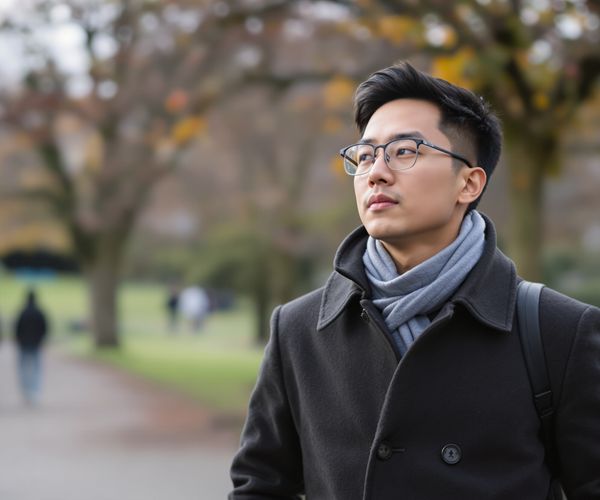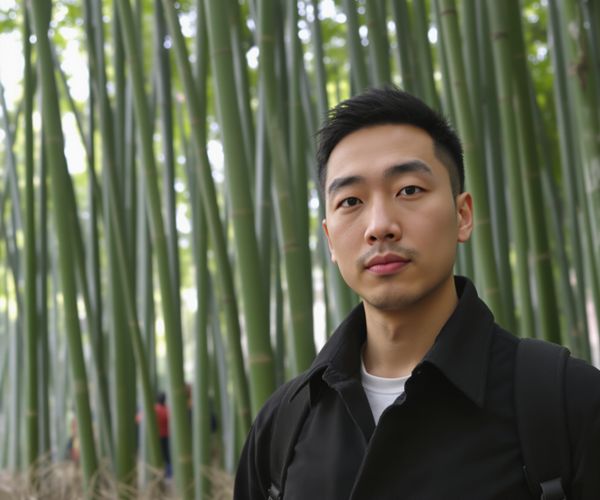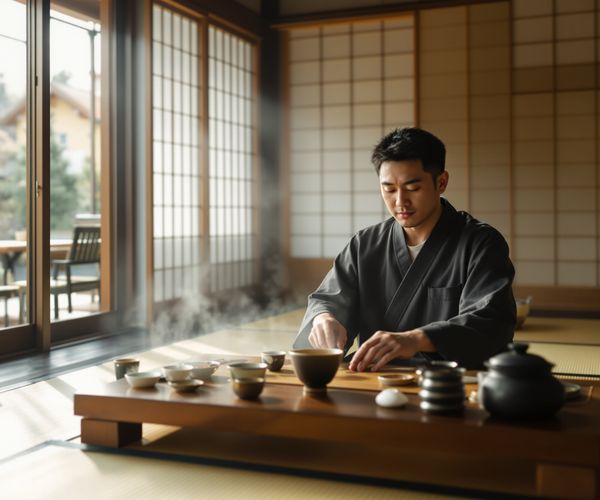
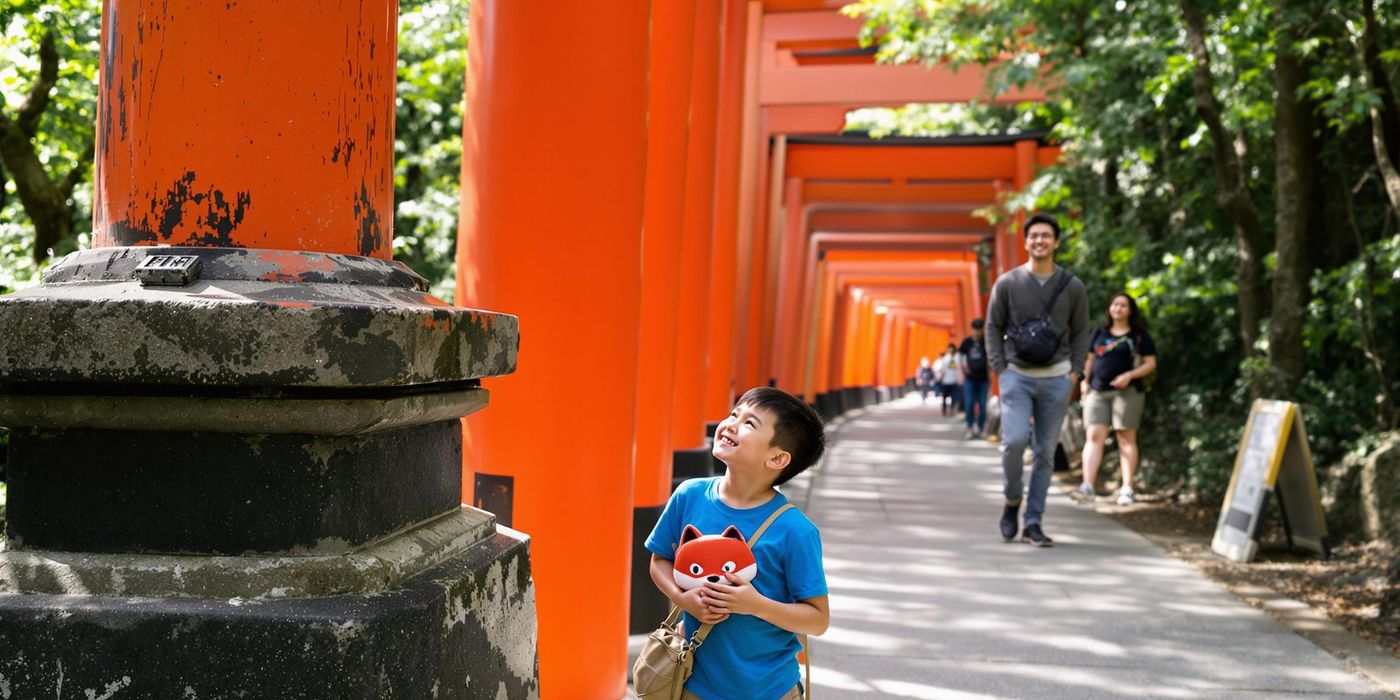
Konnichiwa, fellow travelers! Shota here, ready to share some insights on how to elevate your travel photography. As someone who juggles coding with capturing moments around the globe with my family, I understand the importance of preserving those precious memories. Let's dive into some tips that have helped me improve my travel snapshots.
Choosing the Right Gear for Your Trip
Selecting the right gear is the first step in ensuring you can capture the beauty of your travels. It’s a balancing act between capability and convenience. You don't want to be lugging around equipment that weighs you down, but you also don't want to miss out on capturing that perfect shot due to inadequate gear.
For camera bodies, I recommend something versatile that can handle different scenarios. The Fujifilm X-T50 is an excellent choice because it's compact, lightweight, and delivers superb image quality. Similarly, the Sony a6700 offers a great balance of performance and portability, making it ideal for travel. These mirrorless cameras provide fantastic features without the bulk of traditional DSLRs.
When it comes to lenses, versatility is key. A lens like the Fujifilm 16-55mm f/2.8 is a fantastic all-in-one option, covering a wide range of focal lengths from wide-angle landscapes to tighter portraits. This reduces the need to constantly swap lenses, helping you stay focused on capturing the moment. For those moments when you need extra reach, consider a zoom lens like a 70-300mm.
Don't forget a good tripod! A lightweight travel tripod is essential for low-light situations or when you want to capture long-exposure shots. The Peak Design Travel Tripod is incredibly compact and sturdy, making it a great option. Alternatively, the Manfrotto Befree Tripod is another reliable and lightweight choice.
Lastly, always carry extra batteries and memory cards. There's nothing worse than running out of power or storage space when you're in the middle of an incredible scene. I recommend the SanDisk 128GB Extreme PRO SDXC cards – they're fast and reliable. And remember to keep your batteries charged each night!
Understanding Light: The Key to Stunning Travel Photos
Light is arguably the most critical element in photography. Understanding how light works and how to use it to your advantage can transform your photos from ordinary to extraordinary. It's not just about having enough light; it's about having the right kind of light.
The golden hour, which occurs shortly after sunrise and before sunset, is a photographer's best friend. During this time, the light is warm, soft, and diffused, creating a beautiful glow that enhances colors and textures. Similarly, the blue hour, the hour after sunset, provides a cool, atmospheric light perfect for capturing cityscapes or serene landscapes.
Dealing with harsh midday sun can be challenging. The best approach is to find shade whenever possible. Overhanging trees, buildings, or even a large umbrella can provide relief from the harsh light. If you can't find shade, try using the harsh light creatively for architectural photography, where strong shadows can add drama and contrast.
When shooting indoors, take advantage of natural light by positioning your subjects near windows. The soft, diffused light coming through a window can create pleasing skin tones and a natural look. Avoid using direct flash, as it tends to flatten the image and create harsh shadows.
Experiment with backlighting and side lighting. Backlighting can create beautiful silhouettes and dramatic effects, especially when shooting against the setting sun. Side lighting, on the other hand, can add depth and dimension to your photos, highlighting textures and shapes.
Composition Techniques for Captivating Images
Composition is the art of arranging elements within your frame to create a visually appealing image. A well-composed photo can draw the viewer in and guide their eye through the scene.
The rule of thirds is a fundamental composition technique. Imagine dividing your frame into nine equal parts with two horizontal and two vertical lines. Place key elements of your scene along these lines or at their intersections to create a balanced and visually interesting composition. This helps to avoid placing your subject directly in the center, which can often look static and uninspired.
Leading lines can be used to guide the viewer's eye through the frame and towards your subject. These lines can be roads, rivers, fences, or any other element that creates a visual path. By strategically placing leading lines, you can create a sense of depth and draw the viewer deeper into the scene.
Pay attention to the foreground, midground, and background elements in your photos. Including elements in each of these areas can add depth and dimension to your images. For example, when shooting a landscape, include some interesting rocks or flowers in the foreground, the main subject in the midground, and distant mountains or sky in the background.
Don't be afraid to experiment with different perspectives. Get low to the ground, climb to a high vantage point, or shoot from unusual angles to create unique and interesting compositions. Changing your perspective can reveal new details and create a more dynamic image.
Look for symmetry and patterns in your surroundings. Symmetrical compositions can create visually striking and balanced images. Reflective surfaces, such as water or glass, can be used to create symmetry. Patterns, whether natural or man-made, can also add visual interest to your photos. Architectural details often provide excellent opportunities for capturing symmetry and patterns.
Capturing Authentic Moments: Candid Photography Tips
Candid shots are invaluable for capturing genuine emotions and telling authentic stories. These unposed moments often reveal more about a place and its people than posed photos ever could.
To capture authentic moments, it's essential to blend in with the environment. Avoid drawing attention to yourself and try to be as unobtrusive as possible. The more you blend in, the more likely people are to act naturally, allowing you to capture genuine moments.
Shooting from the hip can be a useful technique for capturing candid shots. By holding your camera at waist level and shooting without looking through the viewfinder, you can capture photos without being noticed. Compact cameras are also great for discreet photography, as they are less intimidating than larger DSLRs or mirrorless cameras.
Patience and observation are key to capturing spontaneous and heartfelt moments. Take your time, observe your surroundings, and wait for the right moment to unfold. Sometimes, the best photos are the ones you didn't plan for.
Always be mindful of personal space and cultural sensitivities when photographing people candidly. Not everyone is comfortable being photographed, and it's essential to respect their privacy. In some cultures, it may be considered rude to photograph people without their permission. When in doubt, ask for permission before taking a photo. A little bit of respect can go a long way in ensuring a positive interaction and capturing authentic moments without causing offense.
Preserving Your Memories: Post-Processing Tips
Post-processing is the final step in the photography process and can significantly enhance your travel photos. It's not about creating something that wasn't there, but rather about bringing out the best in your images and preserving the memories as you experienced them.
There are many software options available for editing photos, both on computers and mobile devices. For computers, Adobe Lightroom and Photoshop are industry-standard choices, offering a wide range of editing tools and features. For mobile devices, Snapseed and VSCO are excellent options, providing powerful editing capabilities in a user-friendly interface.
Basic adjustments such as exposure, contrast, and color balance can significantly improve the overall look of your images. Adjusting the exposure can brighten or darken the image, while adjusting the contrast can enhance the details and textures. Correcting the color balance can ensure that the colors in your photos are accurate and vibrant.
Cropping and straightening photos can also improve the composition. Cropping can remove distracting elements from the edges of the frame and focus attention on the main subject. Straightening can correct skewed horizons and make the image look more polished.
It's important to maintain the authenticity of your travel memories by avoiding over-editing. The goal is to enhance the image, not to transform it into something unrecognizable. Subtle edits are often the most effective, allowing you to preserve the natural beauty of the scene and the emotions you felt while capturing it.
Elevate your travel photography with Shota's tips on gear, lighting, composition, candid shots, and post-processing. Capture stunning images and preserve your travel memories.