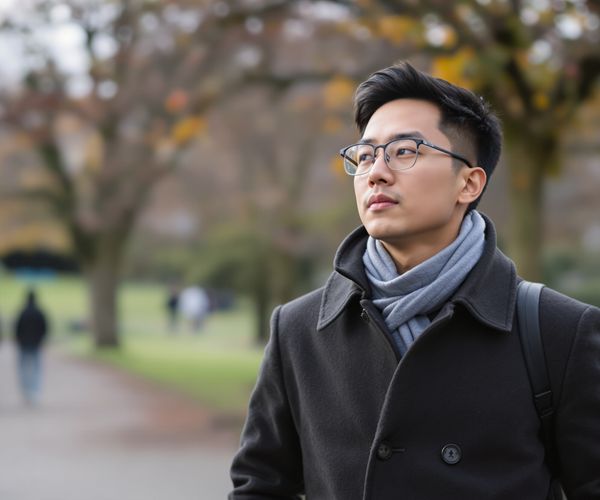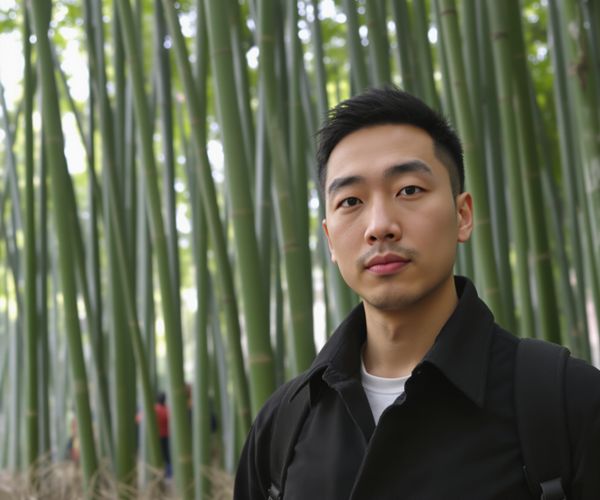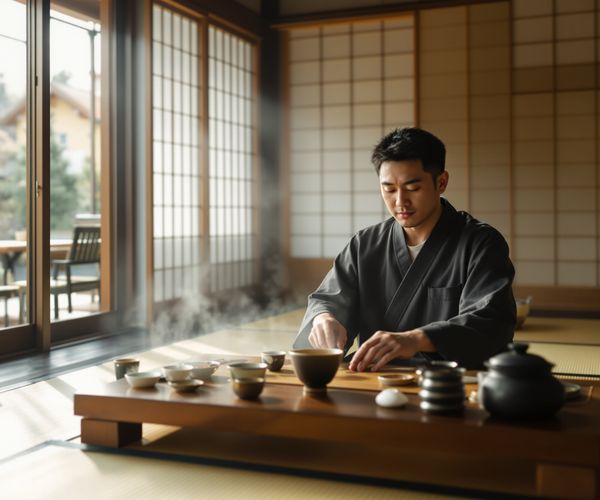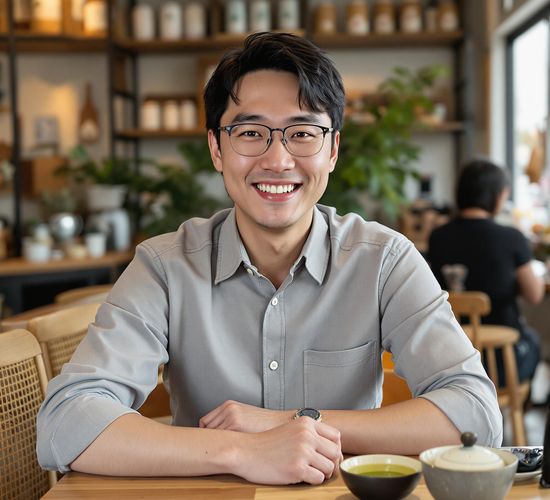
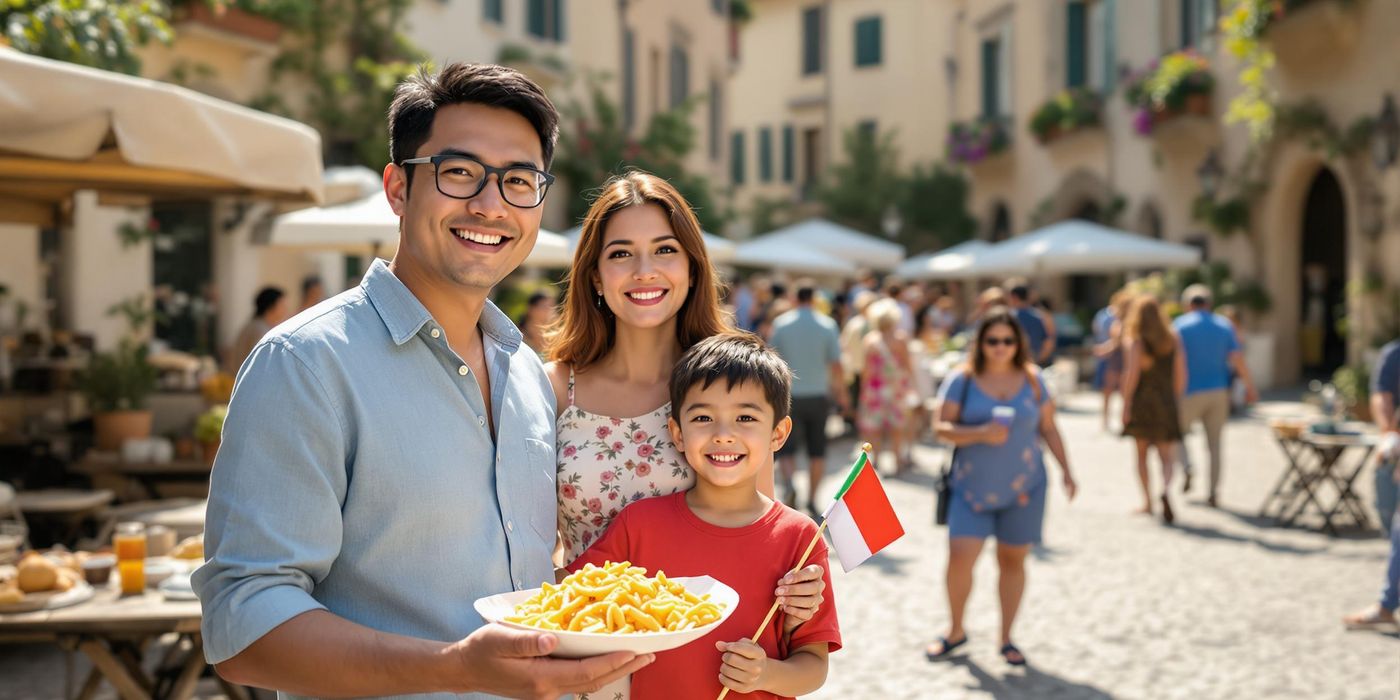
Konnichiwa, fellow travelers! Shota here, ready to share my thoughts on a travel style that has profoundly changed how my family and I experience the world: slow travel. In a world obsessed with speed and efficiency, embracing the journey over the destination might seem counterintuitive. However, I've discovered that slowing down unlocks a richer, more meaningful travel experience. Let's explore the beauty and benefits of taking the scenic route.
What is Slow Travel?
Slow travel is more than just a way to see the world; it's a philosophy. It's about immersing yourself in the local culture, connecting with people, and savoring every moment. Unlike conventional tourism, which often involves rushing from one landmark to another, slow travel emphasizes quality over quantity. It's about truly experiencing a place rather than just ticking it off your bucket list.
The slow travel movement has its roots in the slow food movement, which began in Italy in the 1980s as a protest against fast food and the homogenization of culinary experiences. Just as slow food encourages us to appreciate the origins and preparation of our meals, slow travel encourages us to appreciate the journey itself. It’s a conscious decision to travel with intention, curiosity, and respect for the places we visit.
The Benefits of Slow Travel
The benefits of slow travel are numerous and far-reaching. For me, the most significant advantages include:
- Deeper cultural immersion:
When you spend more time in one place, you have the opportunity to truly understand the local customs, traditions, and lifestyles. You can witness daily life unfold, participate in local events, and learn about the history and culture firsthand. This deeper understanding enriches your travel experience and broadens your perspective.
- Reduced stress and enhanced well-being:
Traveling at a relaxed pace allows you to savor each moment and avoid the stress of rushing from one place to another. You have time to relax, recharge, and appreciate the simple things. This can lead to a greater sense of well-being and a more enjoyable travel experience overall. I find that the slower pace allows me to truly disconnect from the demands of my work as a software developer and reconnect with my family and myself.
- Deeper connections:
Slow travel provides opportunities to form meaningful relationships with locals and fellow travelers. When you're not constantly on the move, you have more time to engage in conversations, share experiences, and build connections. These relationships can enrich your travel experience and create lasting memories. My wife, Eleanor, is particularly good at striking up conversations with people we meet along the way, and these interactions often lead to unexpected adventures.
- Environmental sustainability:
Choosing slower modes of transport, such as trains and buses, and supporting local businesses can significantly reduce your carbon footprint. By traveling more sustainably, you can help protect the environment and preserve the beauty of the places you visit for future generations. As a family, we try to be mindful of our impact and make choices that align with our values.
- Cost savings:
Slow travel can often be more budget-friendly than conventional tourism. By utilizing local transport, cooking with local ingredients, and finding affordable accommodations, you can save money and extend your travel budget. This allows you to travel for longer periods and experience more of the world without breaking the bank.
Embracing Local Culture Through Slow Travel
One of the greatest joys of slow travel is the opportunity to immerse yourself in the local culture. Here are some ways to do so:
- Learning the language:
Even learning a few basic phrases can greatly enhance your interactions with locals. It shows that you're making an effort to connect with their culture and can open doors to unexpected conversations and experiences. I always try to learn a few phrases before visiting a new country, and it always makes a difference.
- Participating in local activities:
Attending local festivals, markets, and workshops is a great way to experience authentic culture. You can learn about local traditions, sample regional dishes, and meet interesting people. These experiences can provide a deeper understanding of the place you're visiting and create lasting memories. We once stumbled upon a small village festival in the Italian countryside, and it was one of the most memorable experiences of our trip.
- Trying local cuisine:
Exploring regional dishes and supporting local restaurants and food vendors is a delicious way to immerse yourself in the local culture. Food is an integral part of any culture, and trying new dishes can provide insights into the history, traditions, and values of a place. Be adventurous and try something you've never had before!
- Staying in local accommodations:
Staying in guesthouses or family-run hotels can provide a more immersive experience than staying in large, impersonal chain hotels. You'll have the opportunity to interact with locals, learn about their lives, and experience the local culture firsthand. These accommodations often offer a more authentic and personal travel experience. We often use local booking sites to find unique and charming places to stay.
Tips for Practicing Slow Travel
Ready to embrace the slow travel mindset? Here are some practical tips to get you started:
- Choosing a destination:
Select destinations that are conducive to slow travel, such as small towns, rural areas, or regions with well-developed public transportation. Avoid destinations that are overly crowded or touristy, as they may not offer the same opportunities for cultural immersion. We've found that smaller, less-known destinations often offer the most rewarding experiences.
- Planning a flexible itinerary:
Leave room for spontaneity and unexpected adventures. Don't try to pack too much into your itinerary, and be open to changing your plans if something interesting comes up. The best travel experiences often happen when you least expect them. We always have a general idea of what we want to do, but we're always willing to deviate from the plan if something catches our eye.
- Utilizing sustainable transportation:
Use trains, buses, bicycles, and walking to explore destinations. These modes of transport are not only more sustainable but also allow you to see more of the countryside and interact with locals. Avoid flying whenever possible, as it has a significant environmental impact. We love taking train journeys through Europe, as it allows us to see the landscape at a leisurely pace.
- Connecting with locals:
Ask for recommendations, participate in community events, and strike up conversations with people you meet along the way. Locals can provide valuable insights into the best places to visit, eat, and experience. Don't be afraid to step outside your comfort zone and engage with the local culture. We've had some of our best travel experiences simply by asking locals for their recommendations.
- Mindfulness and presence:
Be present in the moment and appreciate the simple things. Take time to observe your surroundings, listen to the sounds, and savor the flavors. Avoid rushing from one place to another, and instead, focus on experiencing each moment fully. This will help you to connect more deeply with the place you're visiting and create lasting memories. I often take a few minutes each day to simply sit and observe the world around me, taking in the sights, sounds, and smells.
Slow Travel as a Family
Traveling slowly with my family, including my wife Eleanor and our son Kenji, has been an incredibly rewarding experience. It requires some adjustments, but the benefits are well worth the effort.
Adapting slow travel principles for family trips involves choosing destinations and activities that are engaging for everyone. We look for family-friendly activities that promote cultural immersion, such as visiting local markets, attending cultural performances, and trying new foods together. It's important to balance relaxation and exploration, ensuring that everyone has time to recharge and enjoy the experience. We also incorporate educational experiences into our journey, teaching Kenji about the history, culture, and environment of the places we visit.
Ultimately, slow travel is about more than just seeing the world; it's about connecting with it. It's about slowing down, savoring each moment, and appreciating the journey. So, the next time you plan a trip, consider embracing the slow travel mindset and discover the joy of taking the scenic route. You might be surprised at what you discover.
Shota Tanaka shares his insights on slow travel, emphasizing its benefits such as cultural immersion, reduced stress, and sustainability. Discover how to embrace the journey and connect with local cultures.