Konnichiwa, fellow travelers! Shota here, ready to share some insights on a topic near and dear to my heart: cultural exchange. Traveling isn't just about seeing famous landmarks; it's about connecting with the people who call a place home. Over the years, my family and I have learned the immense value of engaging with local communities, and I'm excited to share some practical tips to help you do the same.
Understanding Cultural Exchange
Cultural exchange is the heart and soul of travel. It's about the reciprocal sharing of ideas, traditions, and experiences between travelers and the local population. It's more than just observing; it's about participating, learning, and understanding. I remember once, in a small village in the Swiss Alps, Eleanor and I were invited to help prepare a traditional cheese fondue. The laughter, the shared effort, and the stories exchanged around that pot created a memory far more vivid than any postcard.
Cultural sensitivity is the bedrock of these interactions. It means approaching each new culture with humility, respect, and a willingness to learn. It's acknowledging that your way isn't the only way, and that there's immense beauty in the diversity of human experience.
Learning Basic Phrases
One of the most impactful ways to show respect and connect with locals is by learning a few basic phrases in their language. Even a simple “hello,” “thank you,” or “excuse me” can go a long way. It demonstrates that you're making an effort to understand and appreciate their culture.
Here are a few essential phrases to get you started:
- Hello: Konnichiwa (Japanese), Bonjour (French), Hola (Spanish)
- Thank you: Arigato (Japanese), Merci (French), Gracias (Spanish)
- Excuse me: Sumimasen (Japanese), Excusez-moi (French), Con permiso (Spanish)
Apps like Duolingo, Babbel, and Busuu are fantastic tools for learning and practicing these phrases. Don't be afraid to stumble – locals often appreciate the effort, even if your pronunciation isn't perfect.
Participating in Local Events and Festivals
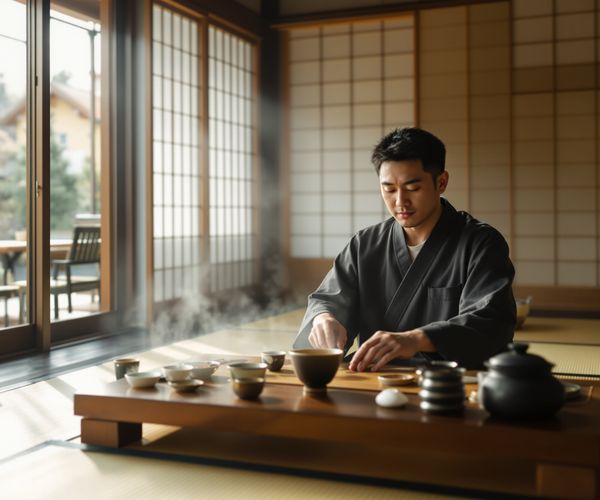
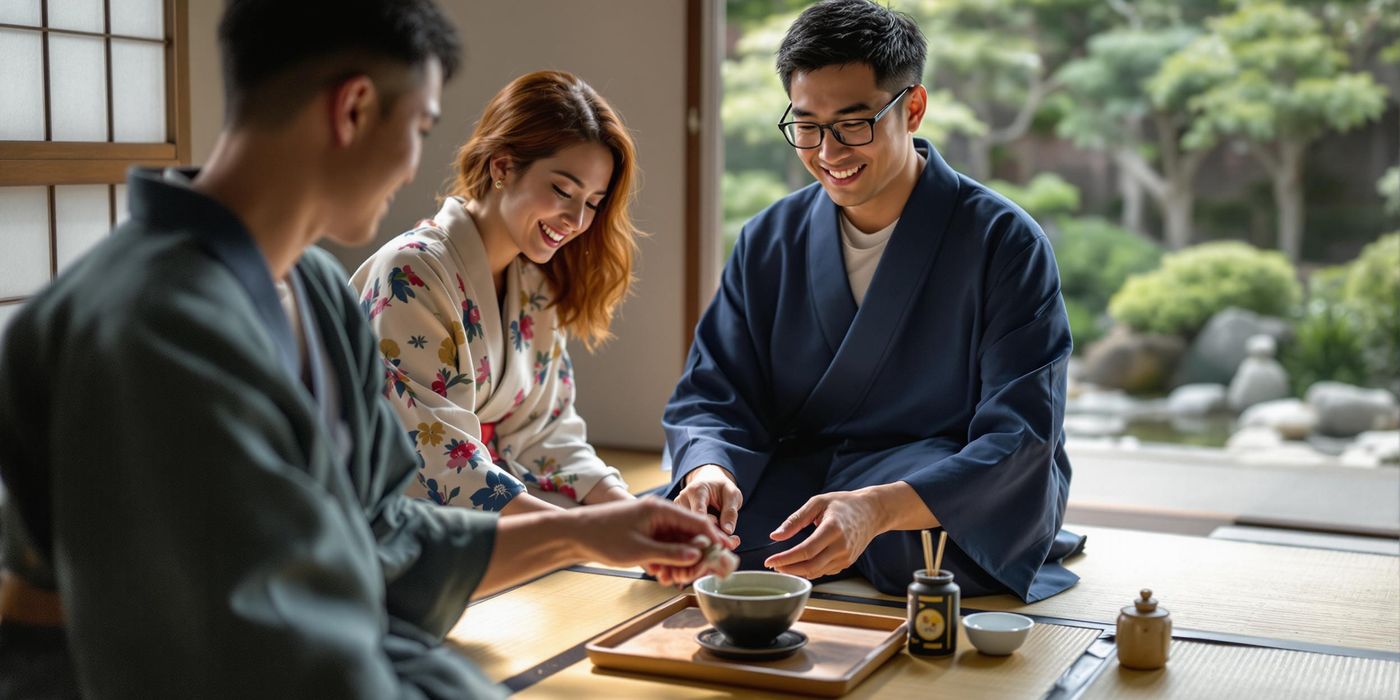
Immerse yourself in the local culture by attending events and festivals. These are vibrant displays of tradition, music, food, and community spirit. Whether it's a traditional tea ceremony in Japan or a lively street parade in Brazil, participating in these events offers a unique window into the heart of a culture.
Check tourist information centers, community boards, or local newspapers to find out about upcoming events. Remember to be respectful: dress appropriately, observe local customs, and be mindful of your behavior. During a festival in Kyoto, I learned the importance of observing the proper etiquette during a traditional dance – a lesson I won't soon forget!
Supporting Local Businesses and Artisans
Instead of relying solely on international chains, make an effort to support local businesses. Shop at local markets, visit artisan shops, and dine at family-owned restaurants. This not only provides a direct economic benefit to the community but also allows you to discover unique, handcrafted goods and authentic cuisine.
When shopping at local markets, be mindful of fair pricing and respectful bargaining. Remember that these artisans are often trying to make a living, so avoid haggling excessively. A small purchase can make a big difference.
Volunteering and Community Projects
Consider volunteering your time to a local community project. Whether it's helping to build a school in Nepal or cleaning up a beach in Thailand, volunteering can be a deeply rewarding experience. It allows you to give back to the community and make a positive impact.
Look for reputable organizations that focus on sustainable development and responsible tourism. Ensure that the project aligns with your skills and interests, and that you have the necessary background checks and qualifications. Responsible volunteering is about contributing positively without unintentionally causing harm.
Respecting Cultural Norms and Traditions
Before you travel, take the time to research the local customs and traditions. Understanding what's considered polite or impolite can prevent unintentional cultural faux pas. For example, in some cultures, it's considered rude to point with your finger, while in others, it's disrespectful to show the soles of your feet.
Be particularly mindful of appropriate behavior in sacred places and during religious practices. Dress modestly, remove your shoes when required, and avoid loud or disruptive behavior. Showing respect for these traditions is a sign of cultural sensitivity and appreciation.
Engaging with Locals Respectfully
Initiating conversations with locals can be a wonderful way to learn about their lives and perspectives. Start with a simple greeting, ask about their day, or express your admiration for their culture. Active listening is key – show genuine interest in what they have to say.
Don't be afraid to share your own culture respectfully. Sharing stories about your home, your family, and your traditions can create a sense of connection and understanding. Remember, cultural exchange is a two-way street.
Choosing Accommodation Consciously
Opt for locally managed accommodations, such as bed and breakfasts, guesthouses, or homestays. These options provide a direct economic impact to the local community and offer a more authentic travel experience. You're more likely to interact with locals, learn about their culture, and support their livelihoods.
Consider eco-conscious accommodations that prioritize sustainability and environmental responsibility. These establishments often work closely with local communities and contribute to conservation efforts. By choosing these options, you can minimize your environmental impact and support responsible tourism.
Discover how to enrich your travels by connecting with local communities. Learn practical tips for cultural exchange, respecting traditions, and creating meaningful experiences.