
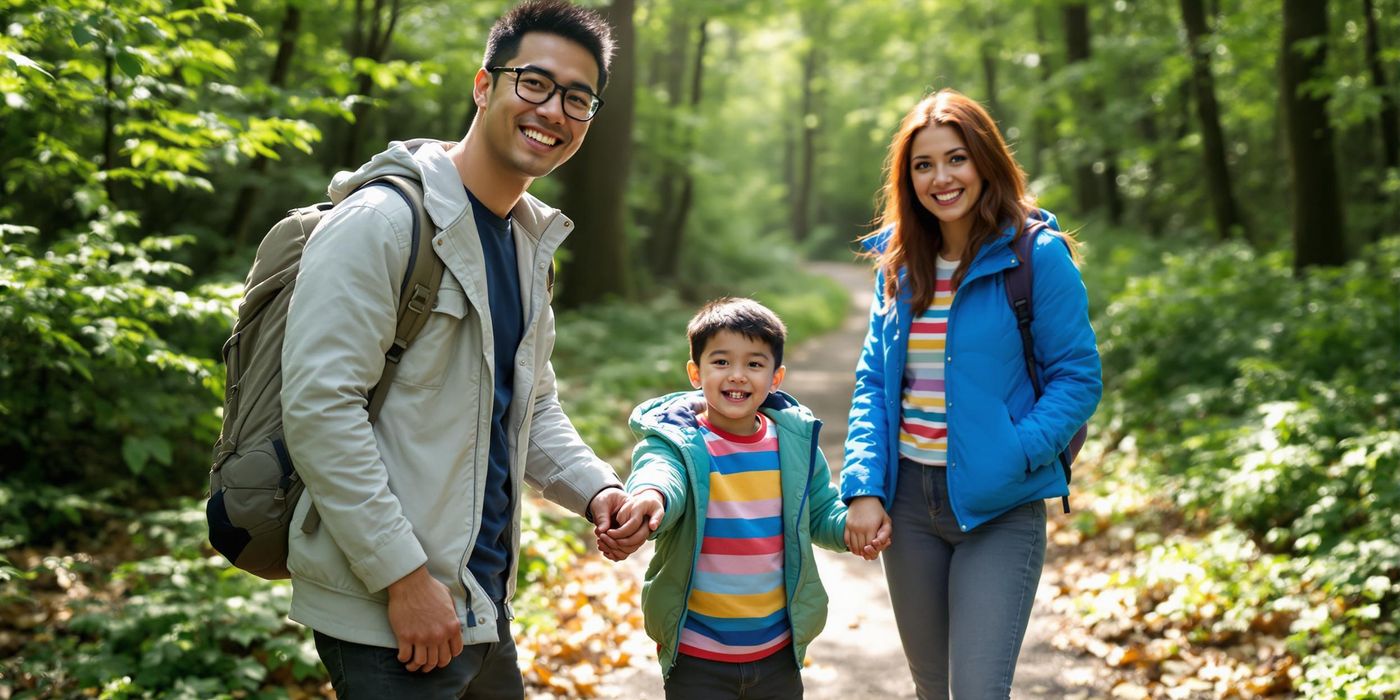
As a software developer originally from Matsumoto, Japan, now living in Bristol with my wife Eleanor and our son Kenji, I've come to appreciate the simple joys of exploring the outdoors as a family. Hiking offers a fantastic way to connect with nature, get some exercise, and create lasting memories. But venturing into the wilderness with kids requires careful planning and consideration. Here are some tips I've learned to ensure a safe, enjoyable, and enriching hiking experience for everyone.
Choosing the Right Trail for Your Family
Selecting a trail that matches your family's abilities is the first and most crucial step. Overestimating your children's stamina or choosing a trail that's too challenging can quickly turn a fun outing into a miserable experience. Consider the ages and fitness levels of your kids when making your decision.
Before heading out, do your research. Websites like AllTrails and local park services often provide detailed information about trail difficulty, length, and elevation gain. Pay close attention to trail reviews from other families; they can offer valuable insights into the suitability of a particular route. Don't hesitate to call local ranger stations or visitor centers for up-to-date trail conditions and recommendations.
Think about the trail surface. Paved or gravel trails are generally easier for younger children, while more rugged dirt trails might be better suited for older kids with more hiking experience. Be mindful of potential obstacles such as rocks, roots, and streams. If you have a stroller or wheelchair, make sure to choose an accessible trail that can accommodate your needs. Many parks now offer detailed accessibility information online.
Essential Gear for a Safe and Enjoyable Hike
Packing the right gear is essential for a comfortable and safe hike. A well-stocked backpack should include:
- A comprehensive first-aid kit with bandages, antiseptic wipes, pain relievers, and any necessary medications.
- Plenty of water. Dehydration can quickly ruin a hike, especially for children. Plan for at least 1 liter of water per person for a moderate hike.
- Nutritious snacks. Choose snacks that are high in energy and easy to eat on the go, such as fruits, nuts, energy bars, and sandwiches.
- Sunscreen with a high SPF to protect against sunburn, even on cloudy days.
- Insect repellent to ward off mosquitoes, ticks, and other biting insects.
- A map and compass or GPS device for navigation. Familiarize yourself with the trail before you go, and teach your children basic map-reading skills.
Appropriate clothing and footwear are also crucial. Dress in layers so you can adjust to changing weather conditions. Moisture-wicking fabrics will help keep you dry and comfortable. Sturdy hiking shoes or boots with good traction are essential for navigating uneven terrain. Consider kid-friendly hiking gear such as small backpacks, water bottles with fun designs, and hiking sticks to help them feel more involved.
Keeping Kids Engaged on the Trail
One of the biggest challenges of hiking with kids is keeping them entertained and motivated. Fortunately, there are plenty of ways to make hiking fun and engaging. Turn your hike into a game by organizing a scavenger hunt. Create a list of items for your children to find along the trail, such as a specific type of leaf, a feather, or a smooth stone. Nature bingo is another great option. Create bingo cards with pictures of common plants, animals, and natural features, and have your children mark them off as they spot them.
Incorporate educational elements into your hike by identifying plants and animals, discussing local history, or pointing out interesting geological formations. Before the hike, research the area and prepare some fun facts to share with your kids. Encourage them to ask questions and explore their surroundings. Let them set the pace and take breaks when they need to. Remember, the goal is to enjoy the journey, not just reach the destination.
Setting mini-goals and rewards can also help motivate children. For example, you could challenge them to hike to the next landmark or reach a certain elevation point. Offer small rewards along the way, such as a special snack or a few minutes to play in a stream. Involve children in planning the hike and choosing the destination. This will give them a sense of ownership and make them more excited about the adventure.
Safety First: Protecting Your Family on the Trail
Safety should always be your top priority when hiking with family. Emphasize the importance of trail safety rules, such as staying on marked paths, avoiding wildlife, and being aware of your surroundings. Teach your children what to do if they get lost, encounter a dangerous animal, or experience a sudden weather change.
Before you start your hike, discuss what to do in case of emergencies. Designate a meeting point in case someone gets separated from the group. Teach your children how to use a whistle to signal for help. Show them how to find shelter in case of rain or extreme heat. Make sure everyone knows how to identify poisonous plants and avoid dangerous terrain.
It's also a good idea to teach children basic wilderness survival skills, such as how to build a fire, find water, and administer first aid. While you may not expect to use these skills, knowing them can provide a sense of confidence and preparedness. Always have a communication plan in place. Carry a cell phone or satellite phone for emergencies, and make sure someone knows your hiking plans and expected return time.
Snacks and Hydration: Fueling Your Family's Adventure
Packing the right snacks and staying hydrated are essential for maintaining energy levels and preventing fatigue. Choose healthy and portable snack options that are easy to eat on the go. Fruits, vegetables, nuts, seeds, energy bars, and sandwiches are all great choices. Avoid sugary snacks and drinks, which can lead to energy crashes.
Emphasize the importance of staying hydrated and carrying enough water for everyone. Encourage children to drink water regularly, even if they don't feel thirsty. Kid-friendly water bottles or hydration packs can make drinking water more appealing. Make sure to pack out all trash and leave no trace of your visit. This will help preserve the natural beauty of the trails for future generations.
By following these tips, you can create unforgettable family hiking experiences that are both safe and enjoyable. Remember to adapt your plans to your family's specific needs and abilities, and always prioritize safety and fun. Happy trails!
Discover how to enjoy hiking with your family, ensuring a safe and memorable outdoor adventure for all ages. Tips for choosing trails, packing essentials, and keeping children engaged and safe.