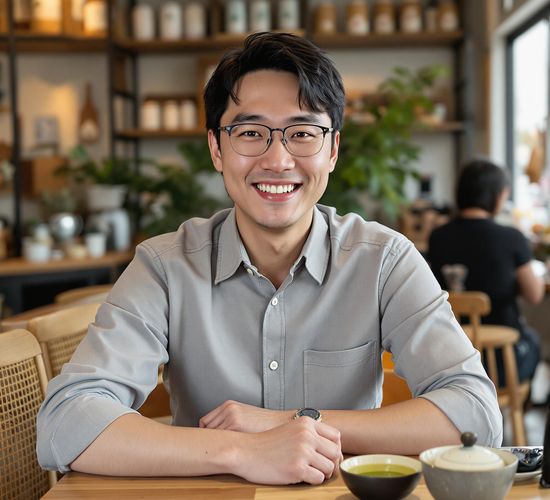
As a family, we love to travel, and for me, Shota, a significant part of that experience is exploring new cuisines. It’s not just about eating; it’s about understanding cultures, histories, and traditions. My wife, Eleanor, our son, Kenji, and I have had some incredible culinary adventures, and some… well, let’s just say they were learning experiences. Here’s what I’ve learned about diving into the world of food while traveling.
Embrace the Local Culinary Scene
One of the biggest mistakes you can make is sticking to familiar restaurants when you travel. Sure, it’s comfortable, but you’re missing out on the heart and soul of a place. Eleanor and I always try to venture beyond the tourist traps and find where the locals eat. These hidden gems often offer the most authentic and delicious experiences. Look for places that are bustling with locals – that’s usually a good sign.
When we visited Kyoto, Japan, we stumbled upon a tiny, unassuming ramen shop tucked away in a side street. It was packed with locals slurping noodles, and the aroma was intoxicating. Despite the language barrier, we managed to order, and it was the best ramen I’ve ever had. It was a far cry from the touristy restaurants we’d initially considered. Don't be afraid to try regional specialties and seasonal dishes; they often tell a story about the place and its people. Food is a bridge to understanding a culture’s history and traditions.
Trying new foods is also a fantastic form of cultural exchange. It opens doors to conversations, connections, and a deeper appreciation for the world around us. Each dish is a narrative, a piece of history served on a plate.
Navigating Local Markets and Street Food
Local markets are treasure troves of culinary delights, but they can also be a bit overwhelming. It’s important to approach them with a sense of adventure and a healthy dose of caution. When choosing street food vendors, look for signs of cleanliness and high turnover. A busy stall is usually a good indicator of quality and freshness.
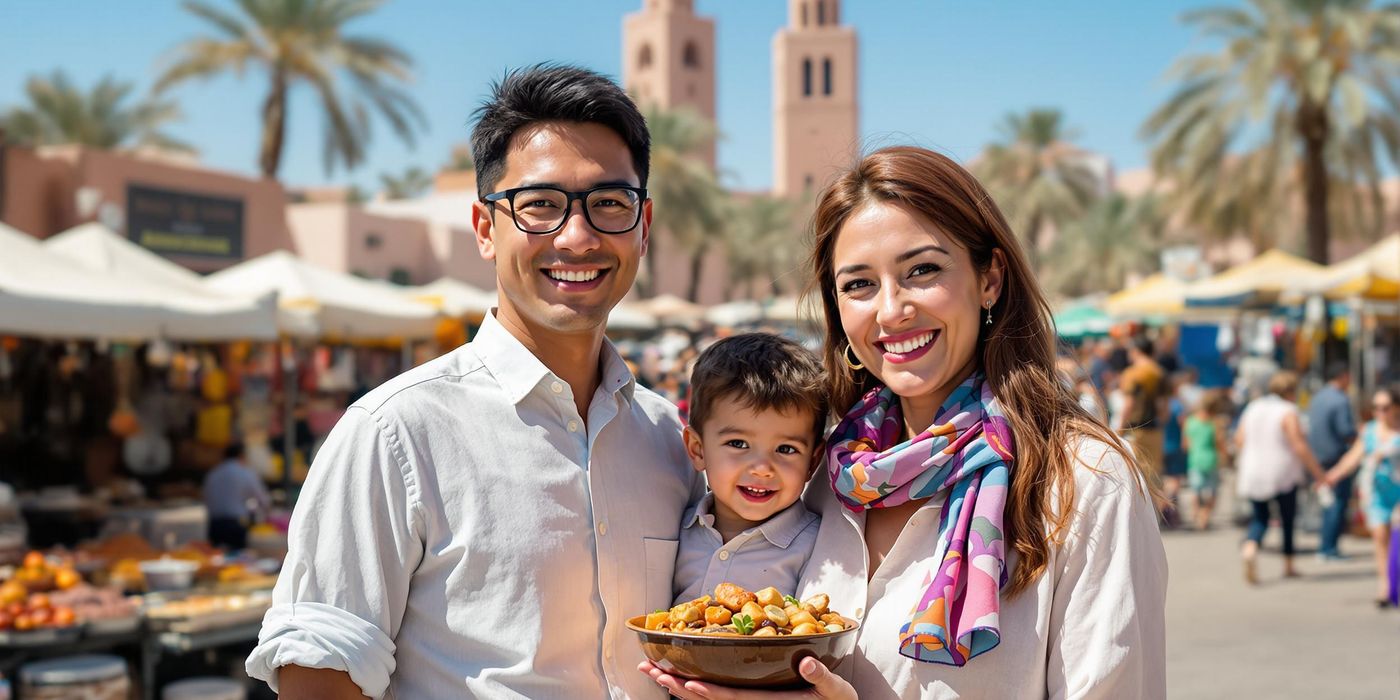
Don't hesitate to interact with the vendors. Ask about the ingredients, how the food is prepared, and what makes it special. Most vendors are proud of their cuisine and happy to share their knowledge. Just be sure to do so politely and respectfully. When we were in Marrakech, Morocco, Eleanor and Kenji were initially hesitant about trying the street food. However, after seeing how carefully the vendors prepared the tagines and hearing their passionate descriptions of the spices, they were eager to try everything. Even Kenji, who can be a bit picky, loved the experience.
Of course, hygiene is a concern. Always look for vendors who use clean utensils and appear to follow good food handling practices. If something looks or smells off, trust your instincts. Exploring markets with family can be particularly rewarding. Sharing new tastes and smells creates lasting memories, and it’s a great way to bond over shared experiences.
Understanding Food Customs and Etiquette
Food customs vary widely around the world, and understanding them is crucial for showing respect and avoiding cultural faux pas. For example, in Japan, it’s considered rude to stick your chopsticks upright in a bowl of rice, as it resembles a funeral offering. In some cultures, eating with your hands is the norm, while in others, it’s considered impolite.
When dining in someone’s home, it’s always a good idea to observe your hosts and follow their lead. If they offer you food, accept it graciously, even if you’re not particularly fond of it. If you need to decline food for dietary or other reasons, do so politely and offer a sincere explanation. Asking questions about the cultural significance of dishes can also be a great way to show your interest and respect. For example, when dining with Kenji, we always try to explain the story behind the food, making it a fun and educational experience for him.
Overcoming Food Neophobia and Picky Eating
Trying new foods can be challenging, especially for picky eaters or those with food neophobia (the fear of new foods). Eleanor used to be quite a picky eater, but over the years, she’s become much more adventurous. Her secret? Gradual exposure and positive reinforcement.
Start with small portions and focus on the positive aspects of the dish, such as the aroma, texture, or presentation. Make it a fun and engaging experience. When introducing new foods to children, involve them in the process of selecting and preparing the dishes. Let them help with simple tasks like washing vegetables or stirring ingredients. Eleanor always says that presentation is key. A beautifully presented dish is much more appealing than something that looks unappetizing.
I remember when I first tried Natto (fermented soybeans) in Japan. The smell was… intense, and the texture was slimy. I almost gave up before I even tasted it. But I took a deep breath, reminded myself that I was there to experience new things, and took a bite. To my surprise, it wasn’t as bad as I’d imagined. In fact, it was quite flavorful, with a unique umami taste. It’s now one of my favorite Japanese dishes.
Ensuring Food Safety While Traveling
Food safety is paramount when traveling, especially in countries with different hygiene standards. Always choose safe water and beverages. Stick to bottled water or beverages from sealed containers. Avoid ice, as it may be made with contaminated water. Be cautious of street food, and only eat at reputable vendors who follow good food handling practices.
Wash your hands frequently with soap and water, especially before eating. If soap and water aren’t available, use hand sanitizer. Sanitize surfaces, such as tables and utensils, with disinfectant wipes. Choose food preparation methods that reduce the risk of contamination. Avoid raw or undercooked meats, seafood, and eggs. Be aware of food allergies and dietary restrictions. If you have any allergies, be sure to communicate them clearly to restaurant staff and vendors. When traveling with children or those with weakened immune systems, take extra precautions to ensure their food is safe and properly prepared.
By following these tips, you can minimize your risk of foodborne illnesses and enjoy your culinary adventures to the fullest. Food should be a source of joy and discovery, not a cause for concern.
Explore the world of food while traveling! Get tips on navigating local markets, understanding food customs, overcoming food neophobia, and ensuring food safety for memorable culinary adventures.