As a software developer with a passion for photography, I've found that travel is not just about seeing new places, but also about capturing their essence through the lens. Over the years, I've learned that travel photography is more than just taking snapshots; it's about telling stories, preserving memories, and understanding different cultures. Join me as I share some insights and tips to help you elevate your travel photography skills and capture more meaningful images.
Understanding Light and Its Impact
Light is the soul of photography. It shapes the mood, reveals textures, and brings life to your images. Understanding how light works is crucial for capturing stunning travel photos.
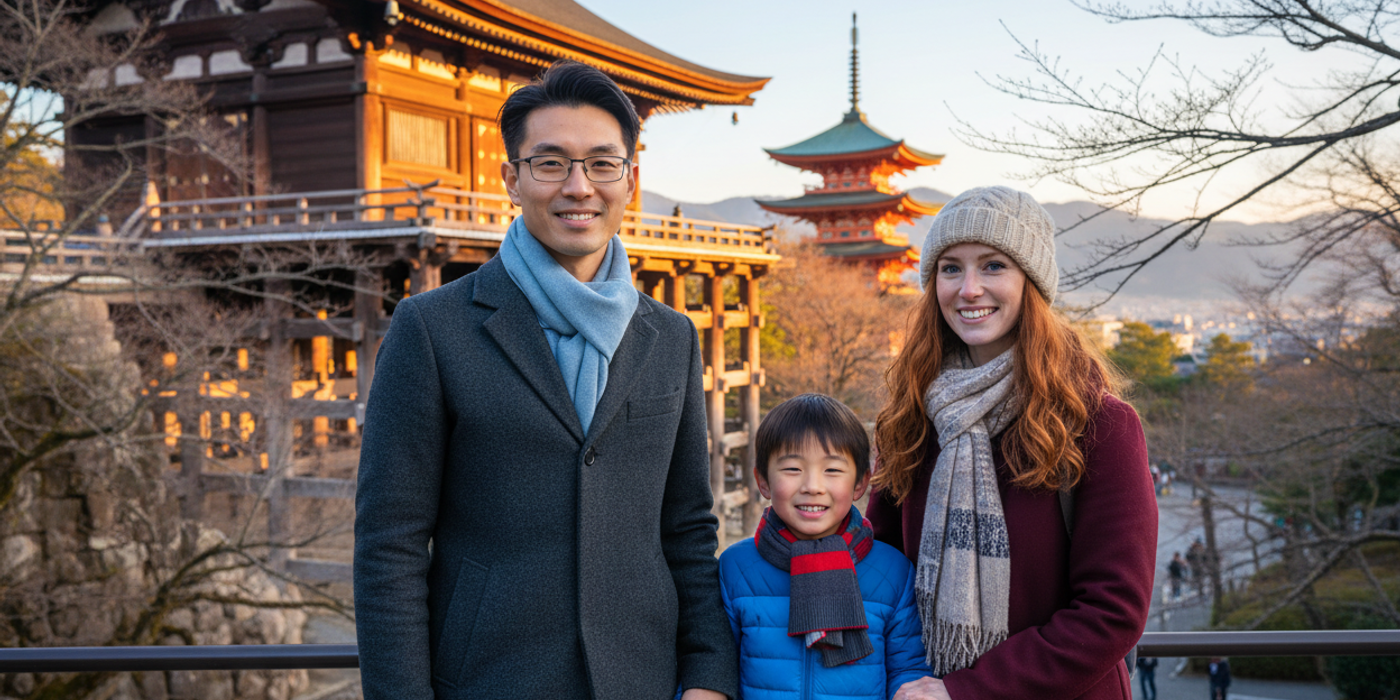
The golden hour, which occurs shortly after sunrise and before sunset, provides a warm, soft light that enhances colors and creates a magical atmosphere. Similarly, the blue hour, just before sunrise and after sunset, offers a cool, serene light ideal for cityscapes and landscapes. I remember once in Kyoto, capturing the Kiyomizu-dera Temple during the golden hour. The warm light reflecting off the wooden structure created a breathtaking scene that no other time of day could replicate.
Shooting in different lighting conditions requires adaptability. Overcast days provide soft, diffused light that minimizes harsh shadows, perfect for portraits and detailed shots. Midday sun, however, can be challenging due to its intensity. In such cases, look for shadows to create depth or try shooting in shaded areas. During a trip to the Scottish Highlands, the frequently overcast skies allowed me to capture the moody landscapes with incredible detail and balanced lighting.
Composition Techniques for Compelling Images
Composition is how you arrange elements within your frame to guide the viewer's eye and convey your message. Mastering a few key techniques can dramatically improve your photos.
The rule of thirds is a fundamental guideline where you divide your frame into nine equal parts and place key elements along these lines or at their intersections. This creates a balanced and visually appealing composition. Leading lines, such as roads or rivers, draw the viewer's eye into the scene. Symmetry can create a sense of harmony, while framing, using elements like arches or trees, adds depth and context. During a visit to the Roman Colosseum, I used the arches to frame different sections of the arena, adding depth and drawing attention to the historical details.
Foreground elements can also enhance your composition by adding depth and context. Using negative space, the area around your subject, can create balance and draw attention to what's important. In Bristol, I often use the Clifton Suspension Bridge as a foreground element when photographing the Avon Gorge, adding scale and interest to the scene.
Capturing Cultural Essence Through Photography
Travel photography is a powerful tool for understanding and appreciating different cultures. However, it's essential to approach it with respect and sensitivity.
Before visiting a place, take the time to research local customs and traditions. This will help you avoid unintentionally causing offense and ensure you capture images that are respectful and authentic. Always ask for permission before photographing people, especially in more traditional communities. A simple gesture or phrase in the local language can go a long way. I learned this firsthand while traveling through rural India, where asking permission not only showed respect but also often led to engaging conversations and unique photo opportunities.
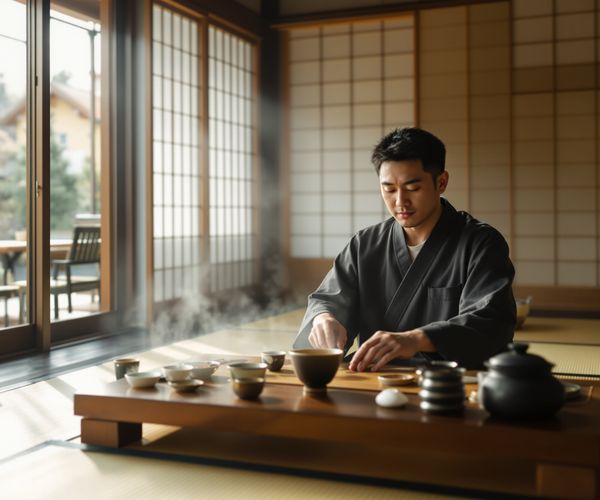
Ethical considerations are paramount in travel photography. Avoid exploiting vulnerable populations or perpetuating stereotypes. Instead, focus on capturing the dignity and beauty of the people and places you encounter. For me, photography is a way to bridge cultural gaps and promote understanding, as was the case when I documented a traditional tea ceremony in a small village in Japan.
Gear Recommendations for Travel Photography
Choosing the right gear can significantly impact your travel photography experience. However, it's not about having the most expensive equipment, but about selecting tools that suit your needs and travel style.
A versatile camera is essential. Whether it's a DSLR, mirrorless camera, or even a high-quality smartphone, choose something that offers manual controls and good image quality. As for lenses, a wide-angle lens (e.g., 16-35mm) is great for landscapes and cityscapes, while a zoom lens (e.g., 24-70mm or 70-200mm) provides flexibility for various subjects. When I travel, I usually bring my Sony Alpha series camera with a 24-70mm lens, which covers most of my needs without adding too much weight.
Packing efficiently is crucial, especially if you're traveling light. Consider a compact tripod for steady shots in low light or for self-portraits. Other useful accessories include filters (e.g., polarizing and ND filters), extra batteries, and SD cards. Always remember to protect your gear with a good camera bag and consider investing in a waterproof cover. During a trip to Iceland, my waterproof gear saved my equipment from the unpredictable weather, allowing me to capture stunning images of the glaciers and waterfalls.
Post-Processing Tips for Enhancing Travel Photos
Post-processing is the final step in bringing your travel photos to life. However, the goal is to enhance, not to drastically alter, the images.
Basic editing techniques include cropping, exposure adjustments, and color correction. Cropping helps to improve composition, while adjusting exposure can brighten or darken your images. Color correction ensures accurate and pleasing colors. Subtle and natural edits are key. Avoid using heavy filters or oversaturation, which can make your photos look artificial. I prefer using Adobe Lightroom for most of my editing, but there are also many excellent mobile editing apps available for on-the-go adjustments.
When editing, aim to preserve the authenticity of the scene. The goal is to enhance the natural beauty of the place and convey the emotions you felt while capturing the photo. Remember, less is often more when it comes to post-processing. By following these tips, you can elevate your travel photography and capture memories that go beyond simple snapshots.
Elevate your travel photography with tips on light, composition, cultural sensitivity, gear, and post-processing. Capture meaningful memories and understand cultures through the lens.