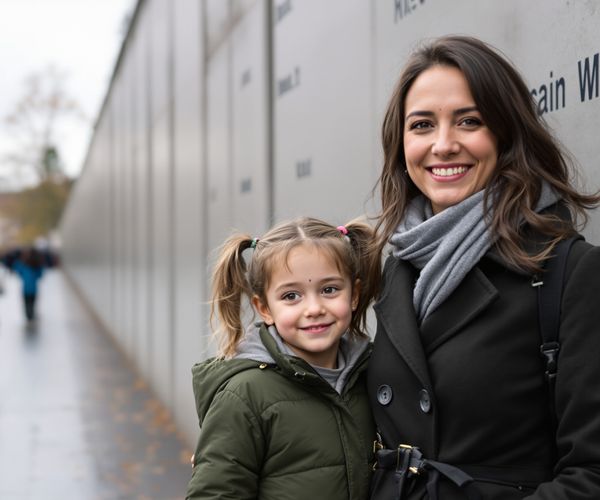
The world is a vast and diverse tapestry woven with countless cultures, each with its own unique threads of traditions, customs, and beliefs. As a Mexican now living in Germany, I've always been fascinated by the ways people live and interact, and I believe that travel is one of the most enriching ways to understand these differences. It's not just about seeing new places, but about truly experiencing them, connecting with the locals, and learning from their perspectives. This is where cultural anthropology comes in – a lens through which we can gain a deeper appreciation for the human experience.
The Essence of Cultural Anthropology in Travel
Cultural anthropology, at its core, is the study of human societies and cultures and their development. It encourages us to look beyond our own familiar surroundings and understand the world from different points of view. When applied to travel, it transforms a simple vacation into an immersive learning experience. Instead of just ticking off tourist attractions, we start to observe and appreciate the intricate details of daily life, the unspoken rules, and the shared values that shape a community.
For me, understanding local cultures is the heart of meaningful travel. It's about connecting with people on a human level, respecting their traditions, and learning from their wisdom. It's about recognizing that our own culture is just one way of doing things, and that there are countless other equally valid ways to live and thrive. Without this understanding, we risk perpetuating stereotypes, causing unintentional offense, and missing out on the true essence of a place.
Observing Cultural Nuances: Stories from My Travels
One of my most memorable travel experiences was in Kyoto, Japan. I was struck by the profound sense of respect that permeated every aspect of society. From the meticulous art of the tea ceremony to the quiet reverence in temples, I felt a deep connection to the country's rich cultural heritage. I remember one particular instance when I accidentally wore my shoes inside a traditional Ryokan. The staff politely guided me to the designated area for footwear, and while I was initially embarrassed, I appreciated their gentle correction and the opportunity to learn about their customs. This experience taught me the importance of being mindful of local traditions and showing respect for cultural norms, even in seemingly small ways.
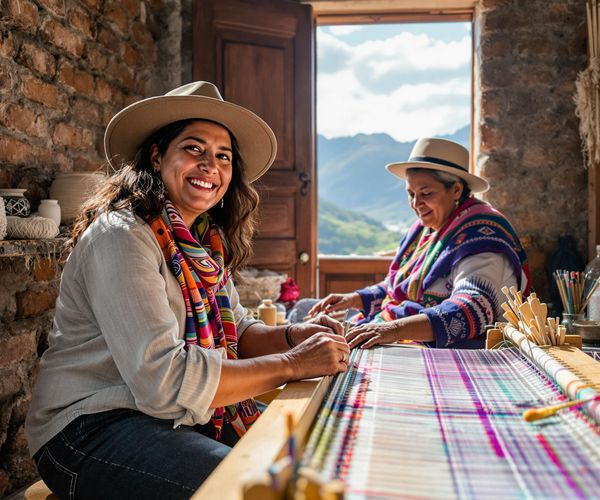
Another time, while visiting a remote village in the Andes Mountains, I was fascinated by the intricate weaving patterns of the local textiles. Each design told a story, representing the community's history, beliefs, and connection to the land. I spent hours learning from the women weavers, listening to their stories, and trying my hand at their craft. It was a humbling experience that deepened my appreciation for the artistry and cultural significance of their work.
Respectful Engagement: Tips for Travelers
Traveling respectfully is more than just being polite; it's about being mindful of the cultural context and adapting your behavior accordingly. Here are a few tips that I've found helpful on my travels:
- Learn basic phrases in the local language: Even a few simple greetings can go a long way in showing respect and building rapport.
- Research local customs and traditions: Before you go, take some time to learn about the dos and don'ts of the culture you'll be visiting. This will help you avoid unintentional offense and show that you're making an effort to understand their way of life.
- Dress modestly: In many cultures, it's considered respectful to dress conservatively, especially when visiting religious sites. Pay attention to local dress codes and adjust your wardrobe accordingly.
- Be mindful of your body language: Gestures and expressions can have different meanings in different cultures. Be aware of your body language and avoid gestures that might be considered offensive.
- Ask questions: If you're unsure about something, don't be afraid to ask. Most people are happy to share their culture with visitors, and asking questions shows that you're genuinely interested in learning.
It's also important to be aware of the difference between cultural appreciation and cultural appropriation. Cultural appreciation involves learning about and respecting a culture without exploiting or misrepresenting it. Cultural appropriation, on the other hand, involves taking elements from a culture without understanding or respecting their original context. When in doubt, err on the side of caution and avoid wearing or using cultural symbols that you don't fully understand.
The Role of Language in Cultural Understanding
Language is more than just a means of communication; it's a window into a culture's values, beliefs, and worldview. Learning a new language can open doors to deeper understanding and connection with locals. I've always enjoyed learning new languages, and I've found that even a basic understanding of the local language can transform my travel experiences.
When I visited Italy, I made an effort to learn a few basic Italian phrases. While my pronunciation wasn't perfect, the locals appreciated my effort and were more willing to engage with me. I was able to have more meaningful conversations, learn about their lives, and gain a deeper appreciation for their culture. Even simple phrases like "Buongiorno" (Good morning) and "Grazie" (Thank you) can make a big difference.
For travelers, I recommend focusing on learning key phrases that will help you navigate daily interactions, such as greetings, asking for directions, ordering food, and expressing gratitude. There are many language learning apps and online resources that can help you get started. Don't be afraid to make mistakes; the most important thing is to try and communicate with locals in their own language.
Family Travel: Immersing Children in Cultural Experiences
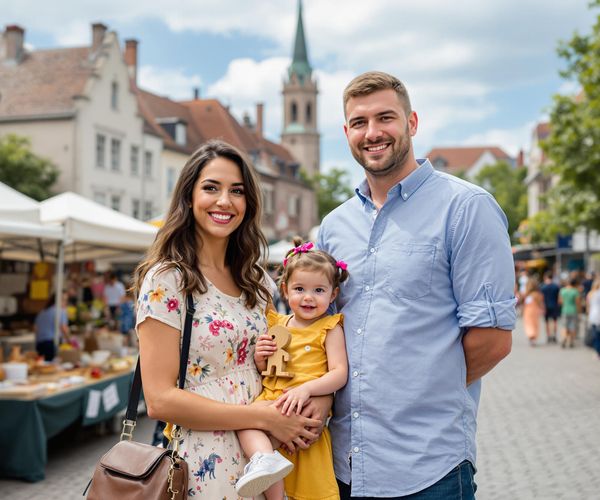
Traveling with children offers a unique opportunity to foster cultural awareness from a young age. My daughter, Elena, has been traveling with us since she was a baby, and I've seen firsthand how these experiences have shaped her understanding of the world. When we travel, we make an effort to involve Elena in cultural activities, such as visiting local markets, trying new foods, and attending traditional performances.
One of our favorite family travel memories is from our trip to Oaxaca, Mexico. We took Elena to a traditional Guelaguetza festival, where she was mesmerized by the colorful costumes, lively music, and energetic dances. She even got to participate in one of the dances, learning a few steps from the local children. It was a wonderful way for her to connect with her Mexican heritage and learn about the traditions of her ancestors.
When traveling with children, it's important to choose age-appropriate activities and be mindful of their attention spans. Consider incorporating games, stories, and hands-on experiences to make learning fun and engaging. Encourage them to ask questions, interact with locals, and reflect on their experiences. By exposing children to different cultures from a young age, we can help them develop empathy, open-mindedness, and a lifelong appreciation for diversity.
Avoiding Cultural Missteps: Lessons Learned
No matter how well-prepared you are, cultural misunderstandings can happen. The key is to be adaptable, open-minded, and willing to learn from your mistakes. I remember one time when I was visiting a friend in Germany, I unknowingly violated a local custom by wishing her a happy birthday before her actual birthday. In Germany, it's considered bad luck to celebrate a birthday early, and my friend was slightly taken aback by my premature greeting. I quickly apologized and learned a valuable lesson about the importance of respecting local superstitions.
Another common cultural faux pas is being overly direct or assertive in cultures that value indirect communication. In some cultures, it's considered impolite to say "no" directly, and people may use subtle cues or indirect language to express disagreement. It's important to pay attention to these cues and avoid putting people in uncomfortable situations. When in doubt, err on the side of politeness and avoid being too forceful in your communication.
The most important thing is to approach every cultural encounter with humility and a willingness to learn. Be open to new experiences, be respectful of local customs, and don't be afraid to ask questions. By embracing cultural differences, we can enrich our own lives and build bridges of understanding between people from different backgrounds.
Sustainable Tourism: A Respectful Approach
Cultural anthropology and sustainable tourism go hand in hand. Sustainable tourism is about traveling in a way that minimizes negative impacts on the environment and local communities, while also promoting cultural preservation and economic development. As travelers, we have a responsibility to support local businesses, respect cultural heritage, and minimize our environmental footprint.
One way to support local communities is to purchase locally made products and services. When you buy souvenirs, choose items that are made by local artisans using traditional techniques. This helps to preserve cultural heritage and provide economic opportunities for local communities. Avoid buying mass-produced souvenirs that are imported from other countries.
It's also important to be mindful of your environmental impact. Choose eco-friendly accommodations, reduce your consumption of water and energy, and avoid using single-use plastics. When exploring natural areas, followLeave No Trace principles and avoid disturbing wildlife or damaging the environment. By making responsible choices, we can help to preserve the natural and cultural resources that make travel so rewarding.
Explore cultural anthropology as a lens for understanding cultural differences during travel. Gain insights into respectful cultural engagement and enhance your travel experiences.