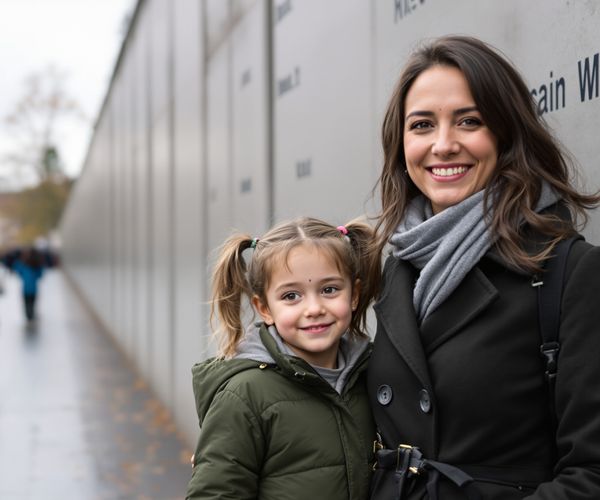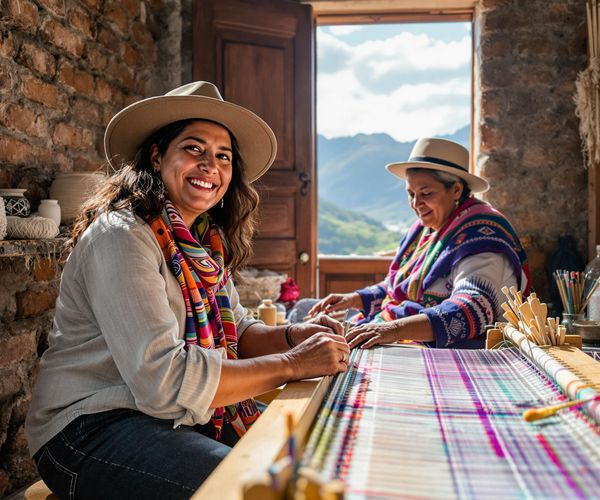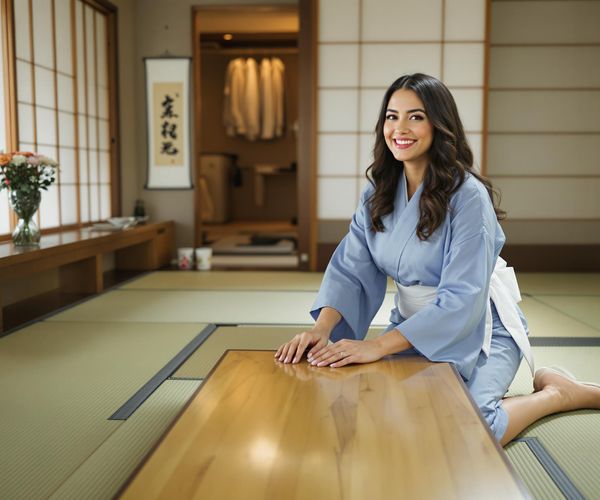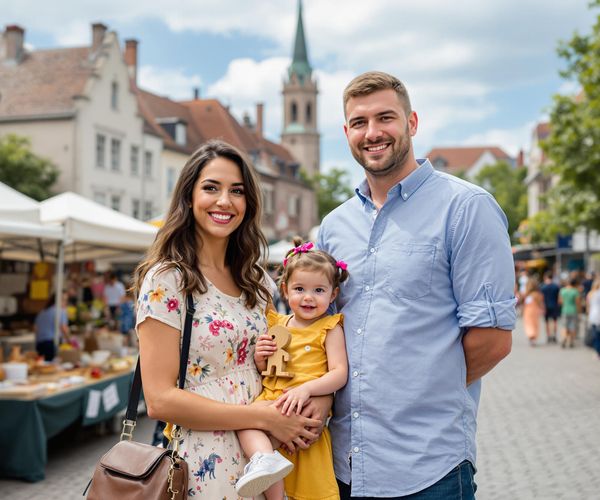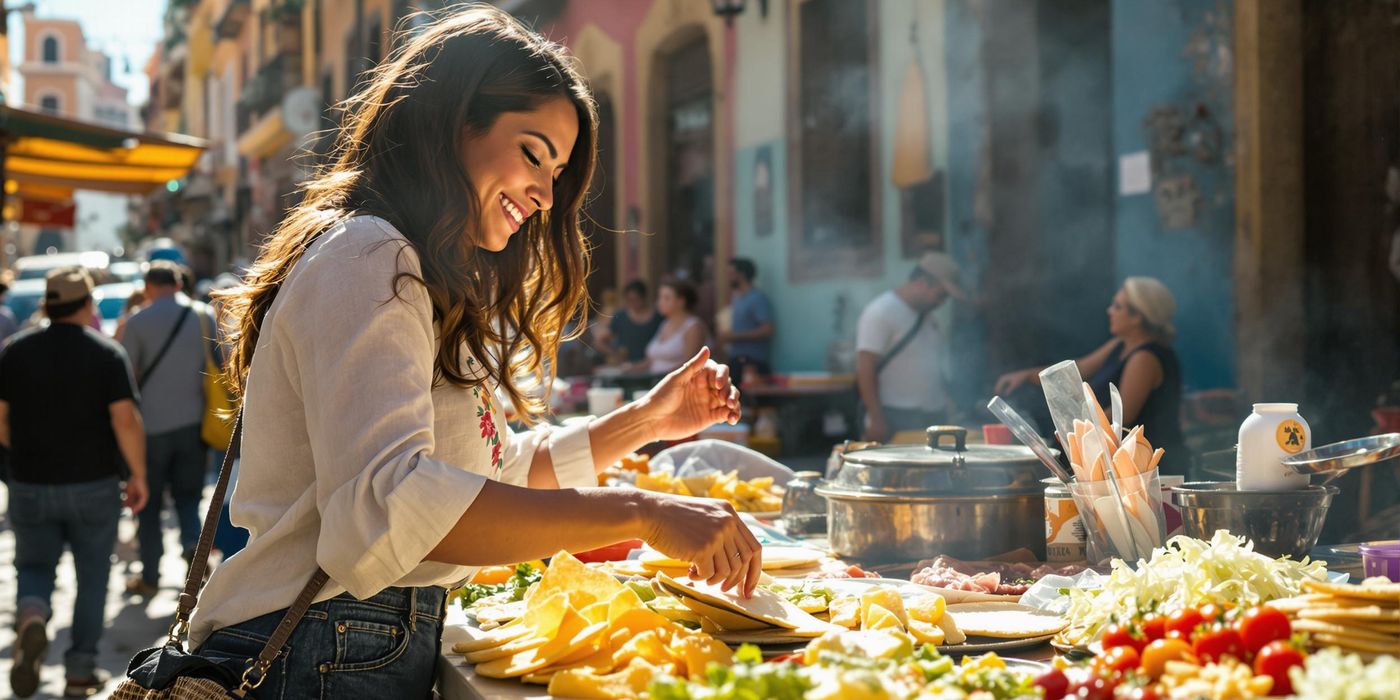
As a cultural anthropologist and travel enthusiast with Mexican roots, I've always believed that travel photography is more than just snapping pretty pictures. It's about capturing the soul of a place, connecting with its people, and telling stories that resonate. Join me as I share my insights on how to capture authentic travel photos that truly reflect the essence of your journeys.
The Essence of Authentic Travel Photography
What does 'authentic' even mean in the world of travel photography? To me, it means moving beyond the postcard-perfect images and staged tourist shots. It's about finding the real heart of a destination, the moments that aren't manufactured for the camera. Think less about posing in front of famous landmarks and more about capturing the candid interactions in a local market.
Authentic photos resonate because they tap into genuine human experiences. They evoke emotions, spark curiosity, and create a sense of connection. When you look at a truly authentic travel photo, you should feel like you're almost there, experiencing the scene firsthand. For me, with my Mexican heritage and passion for cultural anthropology, authenticity is about honoring the stories and traditions of the people I encounter.
Connecting with Locals: Building Trust and Respect
This is paramount. Before you even think about raising your camera, take the time to connect with the people around you. A simple conversation can make all the difference. Building rapport is key, and seeking consent is non-negotiable. No one wants to feel like they're an exhibit in a human zoo.
I always try to learn a few basic phrases in the local language. It's a small gesture, but it shows respect and opens doors to deeper communication. Even a simple Hola or Gracias can go a long way. I remember once in Oaxaca, Mexico, I attempted to order tlayudas in my broken Spanish. The vendor chuckled, corrected my pronunciation, and then shared a fascinating story about the history of the dish. That interaction not only enriched my meal but also gave me a more profound appreciation for the local culture. It led to some wonderful, candid photos, because they saw I was genuinely interested in them and their lives.
Always be mindful of ethical considerations. Avoid taking photos that could be considered exploitative or disrespectful. Understand cultural norms and be sensitive to local customs. For example, in some cultures, it's considered impolite to photograph people without their permission, especially in religious settings.
Storytelling Through Composition
Composition is your visual language. It's how you arrange the elements within your frame to tell a story and guide the viewer's eye. Think of it as the grammar of photography.
Leading lines can draw the viewer into the scene, creating a sense of depth and perspective. Framing uses elements within the environment to create a natural border around your subject, highlighting its importance. And the rule of thirds? It's a classic for a reason! Imagine dividing your frame into nine equal parts with two horizontal and two vertical lines. Placing key elements along these lines or at their intersections can create a more balanced and visually appealing composition.
Don't overlook the power of details. Textures, patterns, and everyday moments can speak volumes about a culture. Focus on the worn cobblestones of an ancient street, the vibrant colors of a traditional textile, or the way a street vendor meticulously arranges their wares. When I was in Antigua, Guatemala, I spent an afternoon photographing the intricate details of the colonial architecture. The ornate carvings, the weathered facades, and the vibrant colors all told a story of the city's rich history.
Mastering Light and Shadow
Light is everything in photography. It can make or break an image. Understanding how different lighting conditions affect your photos is crucial.
The golden hour (the hour after sunrise and the hour before sunset) and the blue hour (the period of twilight just before sunrise and after sunset) are magical times for photography. The warm, soft light of the golden hour creates a beautiful, evocative atmosphere, while the cool, ethereal light of the blue hour adds a touch of mystery and drama.
Harsh midday light can be challenging, but it's not impossible to work with. Look for shade, use reflectors to bounce light, or embrace the contrast to create dramatic black and white images. When I was in the desert, I used the harsh midday light to my advantage, capturing the stark beauty of the landscape with its strong shadows and intense contrasts.
Experiment with using light to create mood and atmosphere. Backlighting can create silhouettes, adding a sense of mystery. Side lighting can accentuate textures and shapes. And front lighting can illuminate your subject, bringing out its details.
Beyond the Gear: Seeing with Your Heart
Ultimately, the best travel photos aren't about having the most expensive camera or the fanciest lenses. They're about seeing with your heart, being present in the moment, and connecting with the world around you.
Put away your phone, silence your inner critic, and simply observe. Listen to the sounds, smell the aromas, and feel the energy of the place. Let go of preconceived notions and embrace spontaneity. Some of the most memorable photos come from unexpected moments.
When you're truly present, you're more likely to capture genuine emotion and connection. You'll see the beauty in the ordinary, the magic in the mundane. And that's when your travel photos will truly come alive.
It's about balancing technical skill with artistic vision. Learn the rules, but don't be afraid to break them. Experiment, explore, and find your own unique voice. Create images that are not only beautiful but also meaningful, images that tell a story and touch the heart.
Learn the art of travel photography with tips on capturing authentic and meaningful images. Discover how to use photography to tell a story and connect with the culture.