Hola, wanderers! Sofia here, ready to whisk you away on a journey of a different kind. Forget the whirlwind tours and the frantic pace of ticking off landmarks. Today, we're diving deep into the heart of slow travel – a philosophy that has not only transformed my own adventures but has also enriched my understanding of the world and its beautiful cultures. So, grab a cup of coffee (or perhaps a soothing chamomile tea), settle in, and let's explore the art of truly embracing the journey.
What is Slow Travel?
Imagine travel that's less about the destination and more about the moments in between. That's slow travel in a nutshell. It's a conscious decision to shift away from conventional tourism, where the goal is to see as much as possible in the shortest amount of time. Instead, slow travel emphasizes connection – with the places we visit, the people we meet, and ourselves. It's about cultural immersion, mindful experiences, and savoring every single step of the way.
The roots of slow travel can be traced back to the 'slow movement,' which began as a protest against fast food in Italy and has since spread to various aspects of life, including travel. It's a rejection of the 'always-on' culture and a deliberate choice to slow down, be present, and appreciate the simple things. For me, it means quality over quantity. It's not about how many countries I can cross off my list, but how deeply I can connect with each one.
The Benefits of Slowing Down
Trust me, the rewards of slow travel are immense. On a personal level, it's a fantastic antidote to the stresses of modern life. The slower pace allows you to breathe, relax, and truly be present in the moment. I've found that it enhances my mindfulness and helps me appreciate the beauty of my surroundings, whether it's the vibrant colors of a Mexican market or the serene landscapes of the German countryside.
But the benefits extend far beyond personal well-being. Slow travel fosters deeper connections with local cultures and communities. When you take the time to engage with locals, learn about their traditions, and support their businesses, you're not just a tourist – you're a participant in their lives. This leads to more authentic and immersive experiences that you simply can't get from a whirlwind tour. You gain insights into the local habits, customs, and way of life, fostering a deeper understanding of a culture.
And let's not forget the environmental benefits! Slow travel often involves eco-friendly transportation options like trains and buses, which have a lower carbon footprint than flying. It also encourages support for local economies and sustainable tourism practices. By choosing locally owned guesthouses and eating at family-run restaurants, you're directly contributing to the well-being of the communities you visit.
Plus, there's the potential for personal growth and self-discovery. Adapting to new environments and customs can be challenging, but it also pushes you to step outside your comfort zone and learn new things about yourself. It's an opportunity to expand your horizons and develop a deeper appreciation for the diversity of human experience.
Cultural Immersion: Connecting with Locals
For me, the heart of slow travel lies in connecting with the people who call a place home. It's about sharing stories, learning from one another, and building bridges between cultures. I've had some of the most meaningful travel experiences by simply striking up conversations with locals.
One of my favorite ways to engage with local communities is by learning the language, even if it's just a few basic phrases. It shows respect and a willingness to connect. Participating in local festivals and events is another fantastic way to immerse yourself in the culture. And of course, dining at family-owned restaurants is a must! You'll not only get to taste authentic cuisine but also have the chance to chat with the owners and learn about their stories.
It's also crucial to respect local customs and traditions. Before you visit a place, take some time to research their cultural norms and etiquette. Dress modestly when visiting religious sites, ask for permission before taking photos of people, and be mindful of your behavior in public spaces.
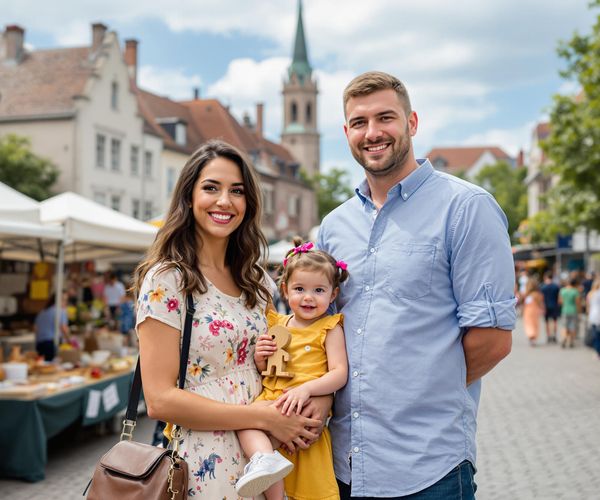
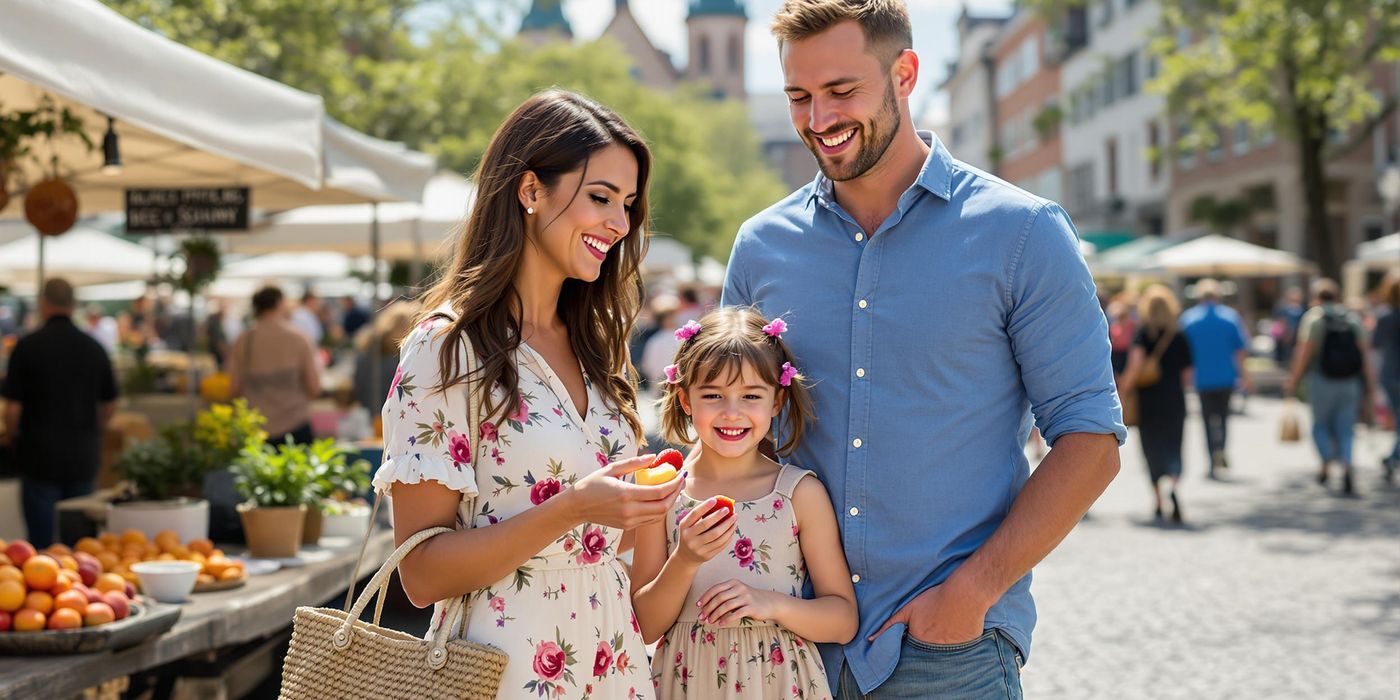
I remember one time in Cholula, my hometown in Mexico, I spent an afternoon helping a local family prepare tamales for a community celebration. It was such a simple act, but it allowed me to connect with them on a deeper level and gain a better understanding of their traditions. Similarly, in Bielefeld, Germany, I regularly attend local farmers' markets, where I've struck up friendships with the vendors and learned about their farming practices. These interactions have enriched my travel experiences in ways I never could have imagined.
Don't underestimate the value of teaching about your own culture as well. Sharing your traditions and experiences can be just as rewarding as learning about others'. It's a two-way street that fosters mutual understanding and respect.
Sustainable Tourism: Traveling Responsibly
Slow travel and sustainable tourism go hand in hand. By taking a slower approach, we can minimize our environmental impact and support local communities. It's about making conscious choices that benefit both the planet and the people we encounter along the way.
One of the easiest ways to travel more sustainably is by choosing eco-friendly transportation options. Trains and buses are generally more environmentally friendly than flying, and they also offer a chance to see the scenery along the way. When it comes to accommodations, consider staying in eco-lodges or locally owned guesthouses. These establishments often have sustainable practices in place and contribute directly to the local economy.
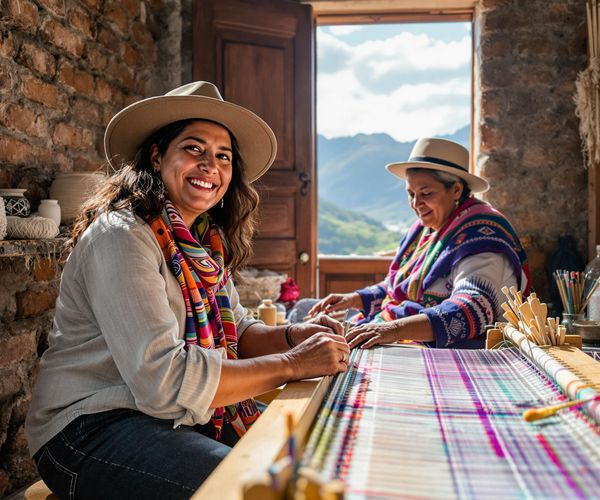
Supporting local businesses and artisans is another important aspect of sustainable tourism. Instead of buying souvenirs from large chain stores, seek out handmade crafts and products from local artisans. This not only helps preserve traditional skills but also provides a valuable source of income for the community.
In Cholula, there are several initiatives that promote sustainable tourism, such as community-based tours that showcase the region's natural and cultural heritage. In Bielefeld and the surrounding areas, there are numerous organic farms and eco-friendly businesses that are committed to sustainable practices. These examples demonstrate how tourism can be a force for good when it's done responsibly.
And of course, it's essential to minimize your environmental footprint. Choose accommodations and transportation with lower carbon emissions, pack light to reduce fuel consumption, and avoid single-use plastics. Every little bit helps!
Practical Tips for Embracing Slow Travel
Ready to embrace the art of slow travel? Here are some actionable tips to get you started:
- Choose fewer destinations and spend more time in each location. Resist the urge to cram too much into your itinerary. Instead, focus on a few key places and allow yourself ample time to explore them.
- Embrace flexibility and spontaneity. Don't be afraid to deviate from your planned itinerary and follow your curiosity. Some of the best travel experiences happen when you least expect them.
- Seek recommendations from locals and explore off-the-beaten-path attractions. Ask locals for their favorite spots and hidden gems. You'll discover places that you won't find in any guidebook.
- Consider alternative methods of transportation, like biking or walking. This allows you to slow down and appreciate the scenery at your own pace.
- Look for affordable accommodations and dining options. Vacation rentals, local markets, and cooking your own meals can save you money and provide a more authentic experience.
- Stay in local neighborhoods rather than tourist centers. You'll get a better sense of the local culture and avoid the crowds.
- Visit lesser-known museums and churches. These often offer a more intimate and personal experience than the major tourist attractions.
Slow Travel in Practice: Personal Reflections
Over the years, slow travel has become an integral part of my life. It's not just a way to travel – it's a way to connect with the world and myself on a deeper level.
I remember one trip to a small village near Cholula, where I spent several days living with a local family. I helped them with their daily chores, learned about their traditions, and shared stories around the dinner table. It was an incredibly enriching experience that gave me a new appreciation for the simple things in life.
In Germany, I've made it a point to explore the countryside around Bielefeld, visiting small towns and villages that are often overlooked by tourists. I've discovered hidden gems, met fascinating people, and learned about the region's rich history and culture. These experiences have deepened my connection to my adopted homeland and broadened my understanding of the world.
One of the biggest benefits of slow travel has been the opportunity to disconnect from technology and be fully present in my surroundings. When I'm not constantly checking my phone or worrying about capturing the perfect photo, I'm able to truly appreciate the beauty of the moment. It's a reminder that the most valuable travel experiences are often the ones that can't be captured in a photograph.
So, my friends, I encourage you to embrace the art of slow travel. Slow down, connect with the people and places you visit, and savor every moment of the journey. You might be surprised at what you discover.
Explore the philosophy of slow travel and how it can lead to more meaningful travel experiences. Discover tips on how to embrace the journey and connect with local cultures.