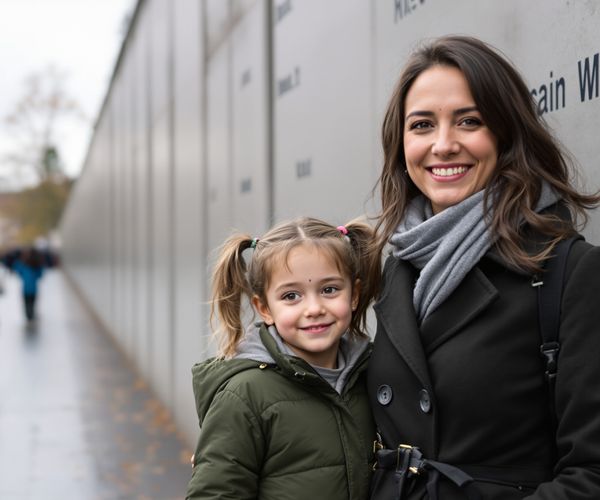
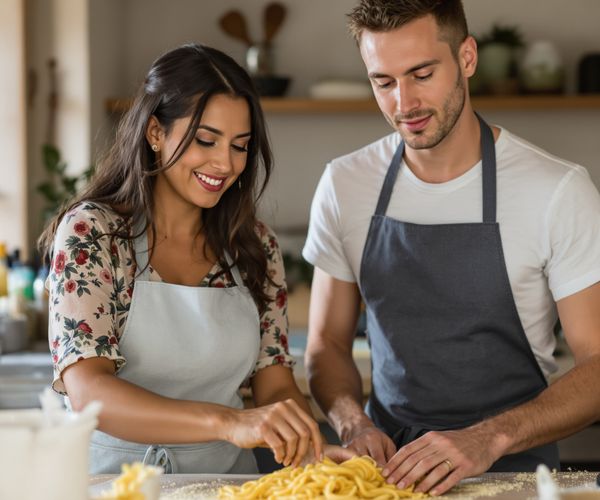
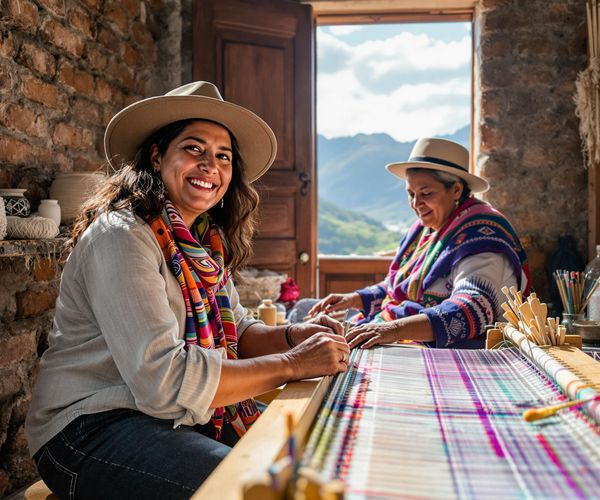
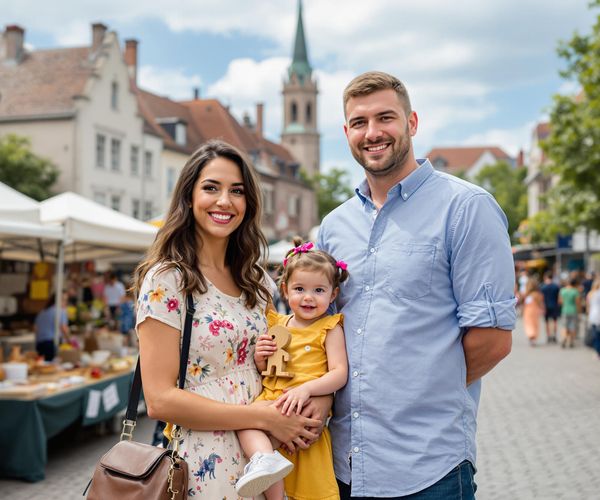
There’s something magical about travel, isn't there? The sights, the sounds, the smells… but for me, it's the tastes that truly linger. I'm Sofia, and along with my husband Maximilian and our daughter Elena, I've made it a mission to collect not just souvenirs, but culinary experiences from every corner of the world. Cooking isn't just a hobby; it's a way to relive those adventures, to connect with different cultures, and to share those stories with the people I love.
The Allure of Culinary Souvenirs
Food has an incredible power to transport you back to a specific time and place. Remember that tiny trattoria in Rome, the one where we stumbled upon the most amazing pasta carbonara? Or the bustling street food market in Bangkok where the aromas of spices danced in the air? These aren't just memories; they're experiences etched in my taste buds. For me, a recipe is more than just a list of ingredients; it's a portal to a culture, a history lesson on a plate.
As someone with a background in cultural anthropology and a passion for sustainable tourism, I believe that food is a vital part of a place's identity. It tells a story of the land, the people, and their traditions. That's why I'm always on the lookout for unique dishes during our travels. It's not just about ticking off a culinary bucket list; it’s about understanding the heart and soul of a destination.
Collecting Recipes: More Than Just Ingredients
Over the years, I've discovered several ways to collect recipes during our travels. Cooking classes are a fantastic option, offering hands-on experience and insights from local chefs. But some of my most treasured recipes have come from more spontaneous encounters. I've spent hours wandering through local markets, chatting with vendors, and scribbling down ingredient lists on scraps of paper. I’ve even had the incredible opportunity to learn to cook dishes alongside local families in their homes. These experiences are invaluable because they allow you to understand the cultural context of a dish. It’s not just about following instructions; it’s about understanding the history, the traditions, and the love that goes into each meal.
Engaging with local communities and learning from their culinary traditions is also crucial for ensuring that these rich cultural legacies continue to thrive for generations to come. By supporting local food producers and restaurants, we contribute to the preservation of these traditions and help sustain the livelihoods of the people who keep them alive.
My Favorite Culinary Discoveries
Let me share a couple of my favorite culinary discoveries! One that immediately comes to mind is mole from my hometown, Cholula, Mexico. Mole is more than just a sauce; it's a labor of love, a blend of chilies, spices, chocolate, and nuts that takes hours to prepare. I remember learning to make it with my grandmother, grinding the ingredients by hand and stirring the pot for what seemed like an eternity. Now, every time I make mole here in Bielefeld, I'm transported back to her kitchen, surrounded by the warmth of family and the aroma of home.
On the other end of the spectrum, I also cherish the recipe for Sauerbraten I picked up during a trip with Maximilian to his family in Bielefeld. It’s a hearty, comforting dish of marinated pot roast that’s perfect for a cold winter evening. I remember Elena helping me add the spices, giggling as she tried to pronounce the German names. Cooking these dishes with my family makes them even more special, creating memories that we'll cherish for years to come. These culinary tourism experiences also contribute to the growth of local businesses and economies, as restaurants and food vendors thrive on sharing their unique dishes with visitors.
Sourcing Authentic Ingredients: A Global Hunt
One of the biggest challenges of recreating these dishes at home is finding authentic ingredients. While Bielefeld has its charms, it's not exactly a hub for Mexican chilies or exotic spices. Over time, I've learned to navigate the local markets and specialty stores, always on the lookout for those hidden gems. Online resources have also been a lifesaver, allowing me to source ingredients from around the world. Of course, sometimes substitutions are necessary. I've learned that the key is to maintain the essence of the dish, even if you have to tweak the recipe slightly. For example, if I can't find a specific type of chili, I'll experiment with different varieties until I find one that captures the same flavor profile. When it comes to global ingredient sourcing, it's important to consider factors such as sustainability, fair trade practices, and the environmental impact of shipping. I always try to choose suppliers who are committed to ethical and responsible sourcing.
Adapting Recipes for the Home Kitchen
Not every recipe translates perfectly from a professional kitchen to a home setup. Sometimes, you have to adapt the instructions to suit your available equipment and dietary needs. I've learned to simplify complex recipes without losing their essence, using techniques like pre-chopping ingredients or using a slow cooker instead of a traditional stove. Elena can be a picky eater, so I often modify recipes to suit her taste preferences. Maybe I'll add a little extra cheese to a pasta dish or swap out a spicy ingredient for something milder. The goal is to make the dish enjoyable for everyone, while still staying true to its cultural roots. Adapting recipes also means considering things like cooking times, oven temperatures, and portion sizes to ensure that the dish turns out just right. And don't be afraid to add your own personal touches! A sprinkle of fresh herbs or a squeeze of lemon juice can elevate a dish and make it your own.
The Joy of Sharing: Cooking as a Cultural Bridge
The best part of bringing home recipes from my travels is sharing them with friends and family. There’s nothing quite like gathering around a table filled with dishes inspired by our adventures, telling stories of the places we've visited and the people we've met. Cooking can be a powerful way to share cultural insights and create connections with others. Food acts as a medium for connecting different cultures and promoting cross-cultural understanding. A simple meal can spark conversations, break down barriers, and foster a sense of community. So, I encourage you to explore the world through its cuisine and bring those experiences home. You might just discover that the joy of cooking is not just in the eating, but in the sharing.
Bring the world home, one recipe at a time. Learn how to collect and recreate authentic dishes from your travels, connecting with cultures through cooking.