
Hello, fellow travelers! Tetiana here, ready to share some insights from my journeys around the world. As someone who cherishes cultural immersion, I believe that travel is about more than just ticking off landmarks. It's about connecting with people, understanding their stories, and embracing their way of life. Let's dive into how you can make your next trip a truly meaningful cultural experience.
The Heart of Travel: Connecting with Cultures
For me, the most fulfilling aspect of travel is the opportunity to connect with different cultures. It's about stepping outside of your comfort zone and opening your heart to new experiences. I remember once, while visiting a small village in the Carpathian Mountains in Ukraine, I was invited to participate in a traditional weaving workshop. Despite the language barrier, I spent the day laughing, learning, and sharing stories with the local women. It was a beautiful reminder that human connection transcends borders and languages. Travel is not just about seeing places; it's about connecting with people and their way of life. It’s about understanding, respecting, and appreciating the beautiful tapestry of human culture.
Before You Go: Preparation is Key
Before embarking on your cultural adventure, a little preparation can go a long way. Researching your destination's customs, traditions, and etiquette is essential. Understanding local norms can help you avoid misunderstandings and show respect for the local culture. Learning basic phrases in the local language can significantly enhance your interactions with locals. Even a simple hello or thank you can open doors and create connections.
There are many fantastic resources available for language learning. I personally recommend Duolingo and Memrise for building a basic vocabulary. HelloTalk is another great app that allows you to connect with native speakers for language exchange. Reading books and articles by local authors can also provide deeper insights into the culture and history of your destination. It’s like having a local guide in your pocket, offering perspectives you might not find in mainstream travel guides.
Stepping into Local Life: Practical Tips for Immersion
To truly immerse yourself in a culture, venture beyond the typical tourist hotspots. Explore local neighborhoods, visit community centers, and seek out experiences that offer a glimpse into everyday life. Staying in local guesthouses or homestays can provide a more authentic experience than staying in large hotels. You'll have the opportunity to interact with local families, learn about their traditions, and maybe even share a meal with them.
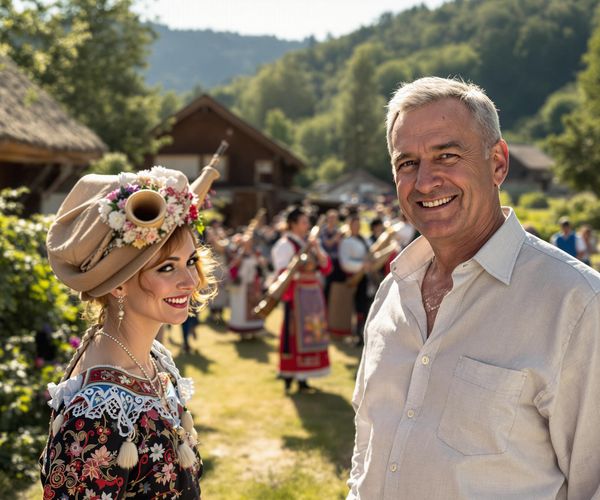
Attending local festivals, markets, and community events is another fantastic way to connect with locals. These events are often vibrant and colorful, offering a glimpse into the heart and soul of the community. When participating in these events, remember to respect local customs, dress codes, and traditions. Observe how locals behave and follow their lead. A little bit of observation can go a long way in showing respect and avoiding cultural faux pas.
The Language of Food: Exploring Local Cuisine
Food is an integral part of any culture, and exploring local cuisine can be a delicious way to deepen your understanding. Trying local dishes, visiting local markets, and even participating in cooking classes can provide insights into the history, traditions, and values of the community. I remember once taking a cooking class in Italy and learning how to make homemade pasta from scratch. It was not just about learning a new recipe; it was about connecting with the local culture and understanding the importance of food in Italian family life.
Don't be afraid to be adventurous and try new flavors. Ask locals for recommendations, visit street food stalls, and sample dishes you've never heard of before. You might discover your new favorite food or, at the very least, have a memorable culinary experience to share.
Building Bridges: Engaging with Locals Respectfully
Engaging with locals is essential for a meaningful cultural experience. Initiate conversations in cafes, shops, or public transport. Ask about their lives, their families, and their traditions. Be curious, respectful, and open-minded. Remember that you are a guest in their country, and it's important to show respect for their way of life.
When visiting religious sites and sacred places, dress modestly and follow local etiquette. Remove your shoes if required, cover your head if necessary, and be mindful of your behavior. Learning about the local customs and traditions surrounding religious sites can help you avoid misunderstandings and show respect for the local culture. Understanding how to dress and behave appropriately can demonstrate your respect and sensitivity towards local customs.
Giving Back: Supporting Local Communities
One of the most rewarding aspects of cultural immersion is the opportunity to give back to the local community. Supporting local businesses, artisans, and craftsmen can help to boost the local economy and preserve traditional skills. Consider purchasing souvenirs from local markets or shops instead of buying mass-produced items from large retailers.
Volunteering with local organizations or participating in community projects is another great way to contribute. You can help to build schools, clean up parks, or teach English to local children. By giving back to the community, you'll not only make a positive impact but also gain a deeper understanding of the local culture and way of life. Remember to practice responsible and sustainable travel practices. Respect the environment, conserve resources, and minimize your impact on the local ecosystem.
Explore ways to engage with local cultures authentically while traveling. Offer advice on language learning, cultural etiquette, and participating in local traditions.