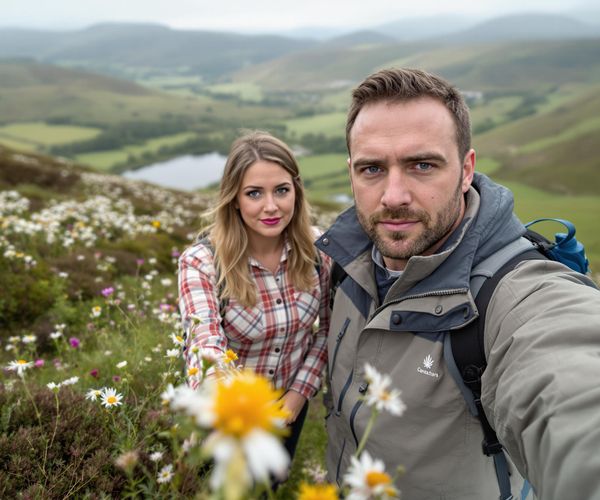
As someone who grew up by the serene Lake Constance in Germany and now calls Dublin home, I've always felt a deep connection to nature. Hiking, for me, isn't just a hobby; it's a way to reconnect with the earth, to find solace in the quiet rustling of leaves, and to challenge myself physically and mentally. But as much as I love exploring the trails, I'm also acutely aware of the impact we, as hikers, can have on these precious environments. That's why I'm so passionate about sustainable hiking—a way to enjoy the great outdoors responsibly, ensuring that future generations can experience the same wonders we do today.
Understanding Sustainable Hiking
Sustainable hiking is more than just a trend; it's a necessity. It's about minimizing our footprint on the environment while maximizing our enjoyment of the natural world. With tourism on the rise, especially in breathtaking locations like the Wicklow Mountains here in Ireland and the stunning landscapes of my homeland, Germany, the need for responsible outdoor adventures has never been greater.
At its core, sustainable hiking is about ethical considerations and environmental stewardship. It's understanding that we have a role to play in preserving these landscapes, not just for ourselves, but for all living things and for those who will come after us. It's about recognizing that our actions, no matter how small they may seem, can have a significant impact on the delicate ecosystems we traverse.
Leave No Trace Principles: The Foundation of Responsible Hiking
The Leave No Trace principles are the bedrock of sustainable hiking. These seven guidelines provide a framework for minimizing our impact on the environment and ensuring that we leave the trails as pristine as we found them. Let’s dive into each one:
- Plan Ahead and Prepare: This involves researching the trail, understanding the weather conditions, packing appropriate gear, and knowing the regulations for the area. It also means being self-sufficient and prepared for emergencies.
- Travel and Camp on Durable Surfaces: Stick to established trails and campsites to avoid damaging vegetation and causing erosion. In heavily used areas, concentrate activity. In pristine areas, disperse activity to minimize impact.
- Dispose of Waste Properly: Pack out everything you pack in, including food scraps, wrappers, and even biodegradable items like fruit peels. Human waste should be buried in a cathole at least 200 feet (60 meters) away from water sources, trails, and campsites.
- Leave What You Find: Resist the urge to collect souvenirs like rocks, plants, or artifacts. These items are part of the natural ecosystem and should be left undisturbed for others to enjoy.
- Minimize Campfire Impacts: Use a lightweight stove for cooking whenever possible. If you do have a campfire, keep it small, use established fire rings, and burn only dead and down wood. Ensure the fire is completely extinguished before leaving.
- Respect Wildlife: Observe wildlife from a distance and never feed them. Feeding wildlife can alter their natural behaviors and make them dependent on humans.
- Be Considerate of Others: Respect the peace and quiet of the outdoors by keeping noise levels down and yielding to other hikers on the trail.
Implementing these principles might seem daunting at first, but they quickly become second nature with practice. For example, I always carry a small trash bag with me to collect any litter I find along the trail, not just my own. It's a simple gesture that can make a big difference.
Gear Up Sustainably: Eco-Friendly Equipment Choices
Choosing the right gear can significantly reduce your environmental impact. Look for products made from recycled materials, such as backpacks made from recycled plastic bottles or clothing made from organic cotton. Durability is also key; investing in high-quality gear that will last for years reduces the need for frequent replacements and minimizes waste.
Consider items like reusable water bottles, biodegradable soap, and solar-powered chargers. When possible, repair your gear instead of replacing it. A little maintenance can go a long way in extending the lifespan of your equipment.
Minimizing Impact on Trails and Ecosystems
Staying on designated trails is crucial for preventing erosion and protecting delicate vegetation. Avoid cutting switchbacks or creating new trails, as this can damage the soil and disrupt plant life. Proper waste disposal is also essential. Always pack out all trash, including food scraps and wrappers. When nature calls, be sure to bury human waste in a cathole at least 200 feet away from water sources, trails, and campsites.
Be mindful of wildlife and their habitats. Observe animals from a distance and never feed them. Keep noise levels down to avoid disturbing wildlife and other hikers. Remember, we're all sharing the same space, and it's important to be respectful of everyone's experience.
Sustainable Transportation to Trailheads
The journey to the trailhead can have a significant impact on your carbon footprint. Opt for eco-friendly transportation options whenever possible. Carpooling with friends or using public transport can greatly reduce emissions. Cycling to the trailhead is another great option, especially for shorter distances. If you must drive, consider planning hikes closer to home to minimize travel distance.
Supporting Local Communities and Economies
Supporting local communities is an integral part of sustainable hiking. Choose local accommodations, restaurants, and stores whenever possible. Purchasing from local vendors supports the local economy and reduces the environmental impact associated with transporting goods over long distances.
Be respectful of local customs and traditions. Learn a few basic phrases in the local language and be mindful of cultural norms. Engaging with the local community enriches your hiking experience and fosters a deeper connection to the place you're visiting.
Personal Experiences and Reflections
I remember one particular hike in the Wicklow Mountains with Liam. We were meticulously following the Leave No Trace principles, carefully packing out every scrap of waste and sticking to the designated trails. As we rounded a bend, we came across a small patch of wildflowers that had been trampled by careless hikers. It was a stark reminder of the impact we can have on the environment, even unintentionally.
That experience reinforced my commitment to sustainable hiking. It's not just about following the rules; it's about cultivating a mindset of respect and responsibility towards nature. It's about recognizing that we are all interconnected and that our actions have consequences.
Hiking sustainably isn't a sacrifice; it's an enrichment. It allows us to connect with nature on a deeper level, to appreciate the beauty and fragility of the natural world, and to ensure that future generations can experience the same joy and wonder that we do. So, let's lace up our boots, pack our bags, and hit the trails—sustainably.
Discover how to hike responsibly and protect natural landscapes for future generations of travelers. Learn about Leave No Trace principles and eco-friendly gear choices.