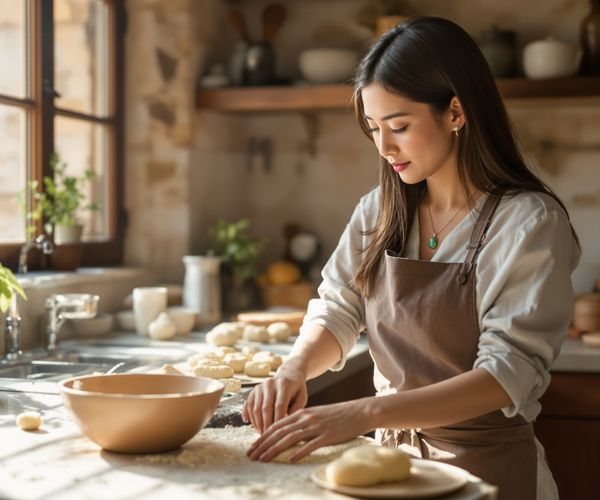
Hello, fellow travelers! Yoo-Jin here, ready to whisk you away on another adventure, this time of the culinary kind. Forget the usual tourist traps; we're diving deep into the heart of local culture, one delicious ingredient at a time. Get ready to sharpen your knives, tantalize your taste buds, and discover the joy of cooking with local ingredients.
Embracing the Local Culinary Scene
For me, travel isn't just about seeing famous landmarks; it's about truly connecting with the culture. And what better way to do that than through food? Think about it – food is history, tradition, and community all rolled into one flavorful package. I'll never forget the first time I stumbled upon a tiny, family-run restaurant in Rome, tucked away from the bustling tourist streets. They served the most incredible pasta, made with ingredients sourced that morning from the local market. It wasn't just a meal; it was an experience. It was a story told through taste and aroma.
When we venture beyond the familiar tourist menus and embrace the local culinary scene, we open ourselves up to a world of new flavors and experiences. It’s about discovering ingredients we’ve never seen before, learning about traditional cooking methods, and understanding the stories behind the dishes. Trust me, it's a far more rewarding experience than settling for the same old burger and fries you can get anywhere in the world.
Finding Farmers' Markets: A Treasure Trove of Fresh Ingredients
Alright, so you're convinced – local cooking is the way to go! But where do you even begin? My first stop in any new city is always the farmers' market. These vibrant hubs are a treasure trove of fresh, seasonal ingredients, and a fantastic place to immerse yourself in the local culture. But finding them can sometimes be a challenge. A quick online search for farmers market or local market in your destination city is a great start. Don't forget to check local tourism websites and community bulletin boards, too!
Once you’ve located a market, timing is everything. I’ve found that visiting early in the morning, especially on weekends, is the best way to snag the freshest produce and avoid the crowds. Plus, you'll have the chance to chat with the farmers and vendors before they get too busy. And that's where the real magic happens. Don't be shy – ask them about their products, how they're grown, and the best way to prepare them. You'll be amazed at the wealth of knowledge they're willing to share. It's not just about buying ingredients; it's about building connections and learning from the people who are passionate about their craft.
Selecting the Perfect Ingredients: A Sensory Experience
Now comes the fun part: selecting your ingredients! Forget the sterile aisles of the supermarket; this is a sensory experience. Engage all your senses – sight, smell, touch – to find the best produce. Look for vibrant colors, firm textures, and enticing aromas. When choosing fruits and vegetables, don't be afraid to give them a gentle squeeze to check for ripeness. For meats and cheeses, look for signs of quality, such as marbling in meat or a rich, even color in cheese. And always trust your nose – if something smells off, it's best to steer clear!
I remember once, while visiting a market in Sicily, I came across the most peculiar-looking tomatoes I had ever seen. They were small, misshapen, and a deep, almost black color. Intrigued, I asked the farmer about them. He explained that they were a local variety, grown only in that region, and that their unique appearance was a result of the volcanic soil. He offered me a taste, and I was blown away by their intense, sweet flavor. It was a reminder that sometimes, the most extraordinary discoveries are hidden in the most unexpected places.
Adapting Recipes: Infusing Local Flavors into Familiar Dishes
Okay, you've got your basket overflowing with fresh, local ingredients. Now what? Don't be intimidated! The key is to embrace experimentation and adapt your favorite recipes to incorporate the flavors of your destination. Think of it as a culinary adventure. Consider this: what common ingredients can you substitute with regional alternatives? For example, instead of using regular olive oil, try a locally produced variety with a unique flavor profile. Or, swap out traditional herbs and spices for local ones that you've never tried before.
Living in Heidelberg, I often find myself craving the flavors of my homeland. So, I've learned to adapt my favorite Korean recipes using German ingredients. For example, instead of using Korean radish in my kimchi, I use German white radish ( Rettich), which has a similar crispness and slightly peppery flavor. And instead of Korean chili flakes, I sometimes use locally grown chili peppers, which add a unique kick to the dish. It's all about experimenting and finding what works best for your taste buds.
Here's a simple example: My Kimchi Jjigae (Kimchi Stew) Adaptation:
- Traditional Ingredient: Korean Radish
- Local German Substitute: Rettich (White Radish)
- Traditional Ingredient: Korean Chili Flakes (Gochugaru)
- Local German Substitute: Locally Grown Chili Peppers (use sparingly!)
- Traditional Ingredient: Korean Tofu
- Local German Substitute: Smoked Tofu (for a heartier flavor)
Cooking Classes: Immersing Yourself in Culinary Traditions
If you're looking to take your culinary adventures to the next level, consider taking a cooking class while traveling. It's a fantastic way to learn new skills and techniques from local chefs, and to gain a deeper understanding of the cultural significance of food. I'll never forget the cooking class I took in Thailand, where I learned how to make authentic green curry from scratch. It wasn't just about following a recipe; it was about learning the history and traditions behind the dish, and about connecting with the local culture on a deeper level.
These hands-on experiences offer invaluable cultural insights, and you'll walk away with new recipes and skills that you can use for years to come. Plus, it's a fun and social activity that can bring you closer to the local community. If you cannot find any in-person cooking classes, there are many online cooking classes available now too. So, if you want to immerse yourself more in the culinary traditions of the place you are visiting, find a local cooking class – you will not regret it!
So, there you have it – my guide to culinary adventures with local ingredients. I hope I've inspired you to step outside your comfort zone and explore the world through its flavors. Happy cooking, and happy travels!
Explore local cuisine by sourcing fresh ingredients and trying new recipes. Yoo-Jin shares her passion for cooking Korean dishes with German ingredients and tips on finding local markets.