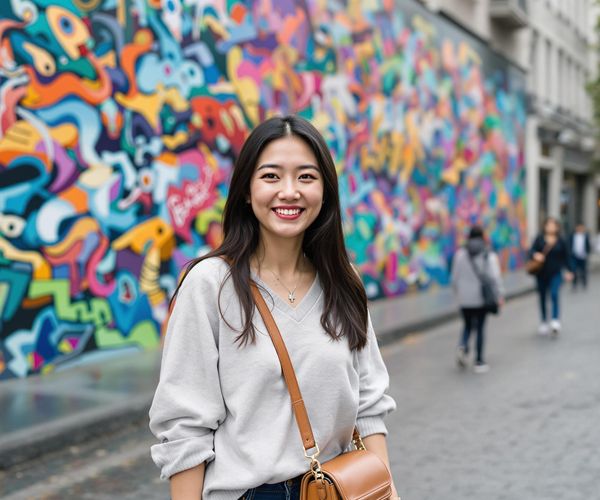
In a world that increasingly glorifies speed and efficiency, the concept of slow travel offers a refreshing alternative. It's about more than just ticking off destinations; it's about truly connecting with the places we visit, understanding their culture, and building meaningful relationships with the people who call them home. As a Korean native living in Germany, I've come to appreciate the profound impact that slow travel can have on our lives and the world around us.
Embracing the Essence of Slow Travel
Slow travel is a deliberate choice to prioritize quality over quantity. It's a rejection of the whirlwind tour, where you rush from one landmark to another, barely scratching the surface of a place. Instead, it's about slowing down, savoring each moment, and allowing yourself to be fully present in your surroundings. It's a shift in mindset, a conscious decision to engage with the world in a more mindful and meaningful way.
For me, this shift began when my husband, Maximilian, and I decided to spend a month in a small village in the Black Forest. Instead of trying to see every tourist attraction, we focused on getting to know the locals, learning about their traditions, and immersing ourselves in their way of life. We spent hours hiking in the forest, attending local festivals, and even helping out on a nearby farm. It was during this trip that I truly understood the transformative power of slow travel.
Planning for Profound Cultural Immersion
The key to slow travel is planning. This doesn't mean meticulously scheduling every minute of your trip, but rather making thoughtful choices about where to go and how long to stay. Here are some practical tips for planning a culturally immersive slow travel experience:
- Consider longer stays in fewer destinations. Instead of trying to cram multiple cities into a week, choose one or two places and spend several days or even weeks exploring them.
- Research local customs, traditions, and etiquette before you go. This will help you avoid cultural faux pas and show respect for the local community.
- Opt for accommodations that support cultural immersion. Guesthouses, family-run hotels, or even home-stays can provide a more authentic experience than large, impersonal chain hotels.
Connecting with Locals: Building Meaningful Relationships
One of the most rewarding aspects of slow travel is the opportunity to connect with locals. These interactions can provide invaluable insights into the culture and way of life of a place. Here are some strategies for initiating conversations and building meaningful relationships:
- Ask for recommendations. Locals are often the best source of information about hidden gems and authentic experiences.
- Share personal stories. Sharing a bit about yourself can help break the ice and create a connection.
- Participate in local activities and events. This is a great way to experience the culture firsthand and meet people who share your interests.
- Learn basic phrases in the local language. Even a few simple words can go a long way in showing respect and facilitating communication.
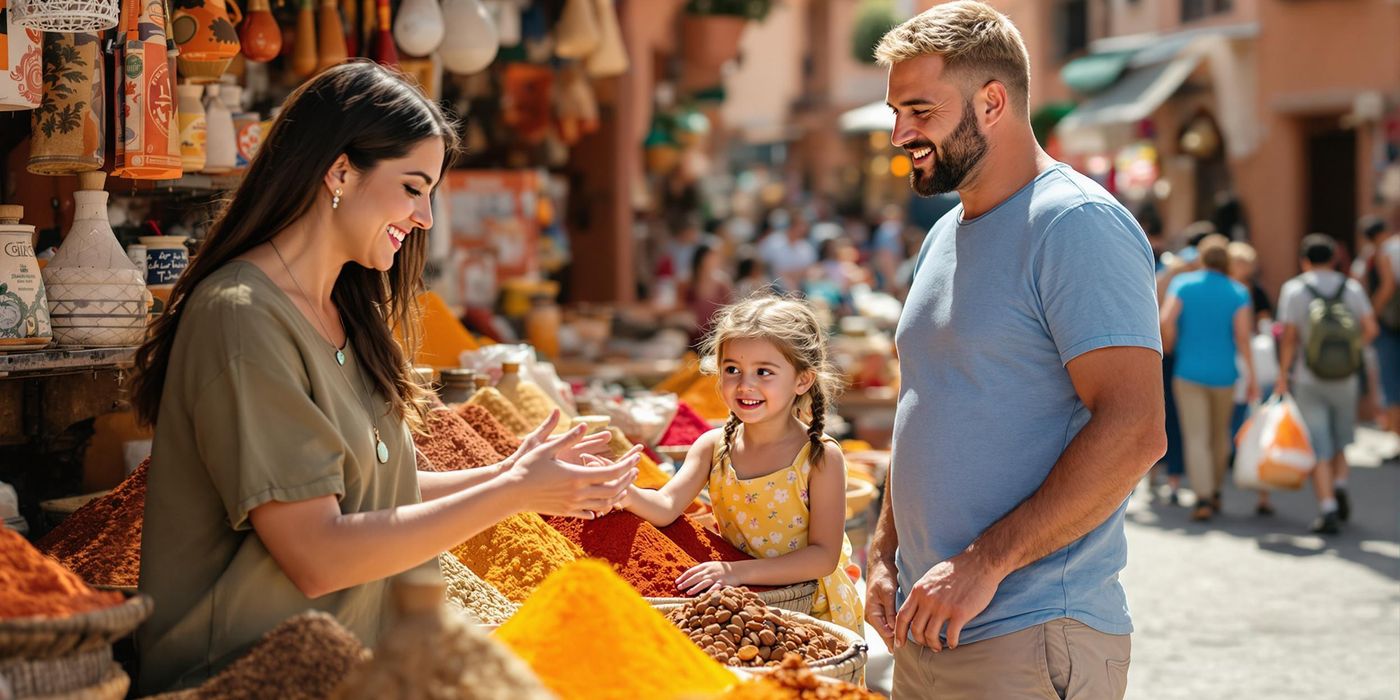
I remember once struggling to find a particular type of spice at a market in Marrakech. After asking a local vendor for help, we struck up a conversation about Korean cuisine and ended up sharing recipes and stories for over an hour. It was a simple interaction, but it gave me a deeper appreciation for the warmth and hospitality of Moroccan culture.
Savoring Local Flavors: A Culinary Journey
Food is an integral part of any culture, and exploring the local cuisine is a delicious way to immerse yourself in a new place. Instead of sticking to familiar dishes, I encourage you to try local specialties, visit markets, and even take cooking classes.
In Italy, I learned to make pasta from scratch with a Nonna in her home kitchen. In Thailand, I explored bustling street food markets, sampling exotic fruits and savory snacks. Each culinary experience provided a unique window into the culture and traditions of the place.
Don't be afraid to ask questions about the ingredients and preparation methods. Food can tell a story about the history, geography, and values of a destination.
Sustainable Practices: Respecting the Environment and Community
Slow travel also aligns with sustainable tourism practices. By spending more time in a place and supporting local businesses, you can reduce your environmental impact and contribute to the economic well-being of the community.
- Choose eco-friendly accommodations and transportation options. Look for hotels that prioritize sustainability and consider traveling by train or bus instead of flying.
- Support local businesses. Shop at local markets, eat at family-run restaurants, and purchase souvenirs from local artisans.
- Respect local resources and minimize waste. Be mindful of your water and energy consumption, and avoid using single-use plastics.
By traveling slowly and responsibly, we can minimize our impact on the environment and help preserve the cultural heritage of the places we visit.
Discover the benefits of slow travel and how taking your time can lead to more meaningful cultural experiences. Learn how to immerse yourself in local cultures.