A Solo Journey Through Seville's Historic Heart
Day 2: A Day of Palaces and Gardens: Discovering Seville's Royal Secrets
Wander through Seville's historic palaces and serene gardens, uncovering the city's rich past and vibrant beauty on a captivating journey.

Seville's Royal Embrace
Today was a deep dive into the heart of Seville's history, a day filled with architectural wonders and serene escapes. From the opulent Royal Alcázar to the tranquil Murillo Gardens, I immersed myself in the stories etched into every stone and leaf. It was a journey back in time, a dance between cultures, and a reminder of the beauty that can be found in the quiet corners of a bustling city.
My day began with a delightful breakfast at El Pasaje Santa María la Blanca. The restaurant was conveniently located and had a cozy atmosphere. I enjoyed a traditional Spanish breakfast of tostada con tomate and café con leche, fueling up for a day of exploration. The staff was very friendly, and the service was prompt.
First on the agenda was the Royal Alcázar of Seville, a UNESCO World Heritage site that has been a royal palace for over seven centuries. As a librarian with a passion for history, I was eager to explore its intricate blend of Mudéjar, Gothic, and Renaissance architecture. The palace's origins trace back to the 11th century when Muslim authorities built a fortress here. Subsequent rulers added to it, creating the architectural fusion that is visible today. I decided to take a self-guided tour, allowing myself to linger in the areas that resonated most with me. The audio guide was invaluable, providing rich historical context and fascinating anecdotes.
Stepping through the entrance, I was immediately transported to another world. The Patio de las Doncellas, with its delicate arches and serene reflecting pool, was breathtaking. The intricate tilework, the play of light and shadow, and the sheer artistry of the craftsmanship were mesmerizing. Each room seemed to whisper stories of kings and queens, of conquests and alliances, of love and betrayal. I spent hours wandering through the palace's labyrinthine corridors, marveling at the Hall of Ambassadors, with its stunning golden dome, and the meticulously manicured gardens, where fountains gurgled and orange trees scented the air. The Alcázar is not merely a palace; it is a living tapestry of history, a testament to the enduring power of art and culture. I made sure to take lots of photos, hoping to capture even a fraction of the beauty that surrounded me. I was particularly captivated by the gardens, a serene oasis of meticulously manicured hedges, vibrant flowers, and trickling fountains. It was the perfect place to escape the midday sun and reflect on the palace's rich history.
The Royal Alcázar is a testament to the enduring power of cultural fusion, where centuries of history and artistry converge to create a breathtaking masterpiece.
Leaving the Alcázar, I walked to Az-Zait restaurante for lunch. This restaurant came highly recommended for its creative Spanish cuisine, and I was eager to try it. The restaurant's decor was a unique mix of baroque and classical styles, with gold chairs and murals of Roman gods. I opted for the six-course tasting menu, which offered an excellent value. Each dish was a work of art, showcasing the chef's creativity and commitment to quality. The slow-cooked egg, deconstructed tortilla soup, and roasted suckling pig were particular highlights. The service was attentive and friendly, and the ambiance was elegant and unpretentious. It was a truly memorable dining experience.
After lunch, I made my way to Casa de Pilatos, another of Seville's architectural gems. This palace, built in the 15th and 16th centuries, is considered a prototype of the Andalusian palace, blending Italian Renaissance and Mudéjar styles. According to tradition, after Don Fadrique returned from his pilgrimage to Jerusalem in 1519, he found that the distance between the ruins of Pontius Pilate's home and Golgotha equaled the distance between his palace and a temple outside the city walls. This led him to establish the Via Crucis (Stations of the Cross) of the Cruz del Campo in 1520, with the first station at Casa de Pilatos' chapel. As I wandered through its courtyards and chambers, I was struck by the harmonious blend of architectural styles. The intricate tilework, the delicate stucco, and the serene gardens created an atmosphere of timeless elegance. It's a place where every corner reveals a new detail, a new story, a new reason to marvel. The palace houses a collection of statues, including twenty-five busts from ancient Rome and one from ancient Greece dating from the 5th century BC. The Casa de Pilatos has around 150 different azulejo (Spanish glazed tile) designs made in the 1530s by the brothers Diego and Juan Pulido, one of the largest early-modern azulejo collections in the world. The play of light and shadow in the courtyards created a magical atmosphere, and I felt as though I had stepped back in time.
My final stop for the day was the Murillo Gardens, a tranquil oasis named after the famous Sevillian painter Bartolomé Esteban Murillo. The gardens were created in the early 20th century on land that was once part of the Royal Alcázar. As I strolled through the gardens, I admired the avenues of orange trees, the fountains, and the numerous plant species. The gardens offered a peaceful retreat from the bustling city, and I enjoyed watching locals and tourists alike relaxing on benches and enjoying the scenery. According to a local, the gardens are especially fragrant in the spring when the orange trees are in bloom. The gardens are adjacent to the Real Alcázar, the Barrio de Santa Cruz, and the old Jewish quarter of Seville. Wandering through the narrow streets, stopping in the squares full of orange trees, is one of the most typical Sevillian experiences.
Before heading back to the hotel, I stopped by Ceramica Santa Cruz, a charming shop specializing in handcrafted ceramics. I purchased a few small tiles as souvenirs, each one a unique piece of Andalusian artistry. The shop assistant was very helpful, describing the history and techniques behind each piece.
For dinner, I decided to try Restaurante La Azotea, known for its modern tapas. I secured a table on their terrace, enjoying the lively atmosphere of the city. The tapas were innovative and delicious, and the service was excellent. It was the perfect way to end a day of exploration.
As I walked back to Basic Hotel Doña Manuela, I reflected on the day's adventures. Seville had captivated me with its rich history, stunning architecture, and vibrant culture. Tomorrow, I plan to visit Plaza de España and Parque de María Luisa, and Torre del Oro, eager to discover more of this enchanting city. I might also try to find the Maldito Cocktail Bar for a nightcap.
Before drifting off to sleep, I made a note to purchase sunscreen tomorrow; the Andalusian sun is more intense than I had anticipated. I also wished I had brought an umbrella, as the weather forecast predicts a chance of rain. Despite these minor oversights, I am grateful for the opportunity to explore Seville and immerse myself in its beauty and history. This solo journey is proving to be an enriching experience, and I am already looking forward to the adventures that await me tomorrow. I feel a deep connection to this city, a sense of belonging that transcends time and distance. Perhaps it is the echoes of ancient Greece, the whispers of forgotten empires, or simply the warmth of the Andalusian sun. Whatever the reason, Seville has captured my heart, and I know that I will carry its beauty with me long after I have left its shores.
The Feria de Abril is ongoing until today, May 11th. I could hear the distant music and feel the festive atmosphere, though I didn't make it there myself today. Perhaps I will venture out there tomorrow. It sounds like a truly immersive cultural experience, and I am curious to see the city dressed up in its finest.


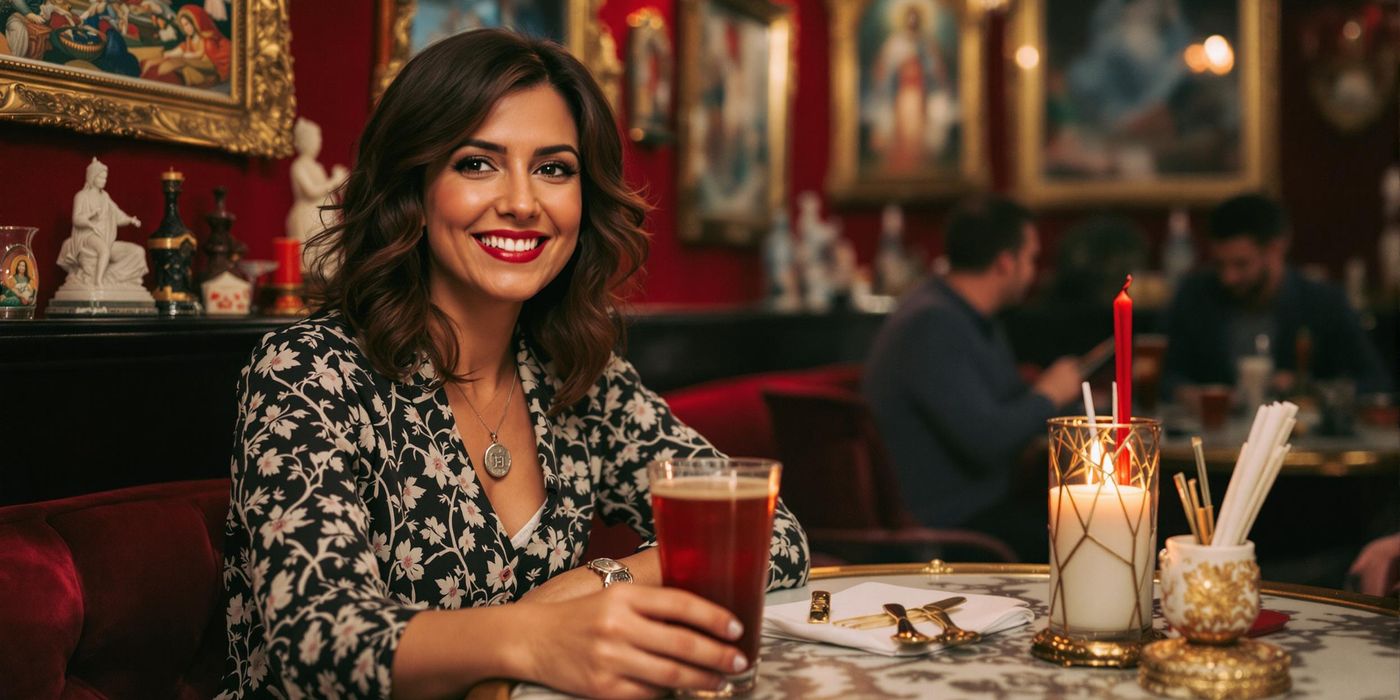
Explore Seville's rich history and vibrant culture on a solo adventure, staying at the heart of its historic charm.
Meet this Featured Explorer

-
 Occupation:
Librarian specializing in ancient Greek history and mythology
Occupation:
Librarian specializing in ancient Greek history and mythology
-
 Country:
Germany
Country:
Germany
-
 Age:
43
Age:
43
Kalispera! I'm Eleni, a librarian from Leipzig with roots deeply embedded in the ancient soil of Greece. My love for history, mythology, and travel has led me to create this blog, where I share my adventures, insights, and tips for exploring the world with a curious mind and a respectful heart. Join me as I uncover hidden gems, delve into fascinating stories, and inspire you to embark on your own unforgettable journeys!
- Ancient Greek mythology
- Archaeology
- European history
- Comparative literature
- Sustainable living
Find Similar Travel Diaries
Explore locations from this diary
-
Basic Hotel Dona Manuela
Experience the charm of Seville in Basic Hotel Doña Manuela, a cozy retreat in the historic Jewish quarter with easy access to iconic landmarks.
-
Royal Alcázar of Seville
Explore the Royal Alcázar of Seville, a stunning blend of architectural styles and lush gardens, steeped in rich history and cultural significance.
-
Casa de Pilatos
Explore the enchanting Casa de Pilatos in Seville, a stunning blend of Renaissance and Mudéjar architecture, rich in history and beauty.
-
Murillo Gardens
Discover the serene beauty of Murillo Gardens in Seville, a perfect blend of nature and history for every traveler.
-
El Pasaje Santa María la Blanca
Experience authentic Andalusian flavors at El Pasaje Santa María la Blanca in Seville's historic Casco Antiguo district.
-
Az-Zait restaurante
Experience authentic Mediterranean flavors at Az-Zait Restaurante in Seville's vibrant Casco Antiguo district.
-
Restaurante La Azotea
Experience authentic Mediterranean and Spanish cuisine at Restaurante La Azotea in Seville's historic Casco Antiguo district.
-
Ceramica Santa Cruz
Discover the artistry of Seville at Ceramica Santa Cruz, your go-to gift shop for unique handcrafted ceramics and local treasures.