Exploring the Historical Charms and Natural Beauty of Valle d'Aosta
Day 3: Aosta's Echoes: Unearthing History and Divine Beauty
Delve into Aosta's past at the Archaeological Museum and be mesmerized by the Aosta Cathedral. A day of historical and spiritual exploration.

Echoes of the Past, Visions of the Divine
Today, Hans-Peter and I immersed ourselves in the rich tapestry of Aosta's history and spiritual heritage. From exploring ancient artifacts to standing in awe of magnificent architecture, it was a day filled with discovery and reflection. These are the days that remind me why I love to travel – to connect with the stories of those who came before us and to find beauty in the echoes they left behind.
Our day began with a delightful breakfast at Break House [i]. I enjoyed a simple yet satisfying pastry and a strong Italian coffee, while Hans-Peter opted for a heartier start with a selection of local cheeses and cured meats. It was the perfect fuel for a day of exploration.
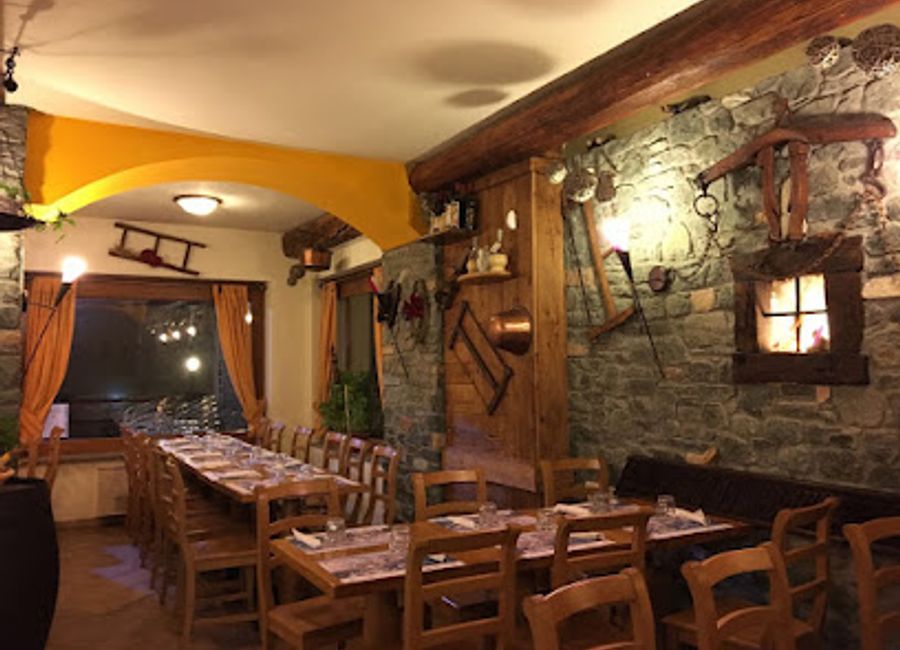
Discover authentic Italian flavors at Break House in Aosta - home to delicious pizzas and fresh seafood in a cozy atmosphere.
Journey Through Time at the Regional Archaeological Museum
Our first stop was the Regional Archaeological Museum. As an archivist, I always feel a special connection to these places, where fragments of the past are meticulously preserved and presented. This museum, housed near the ancient Roman Forum, did not disappoint.
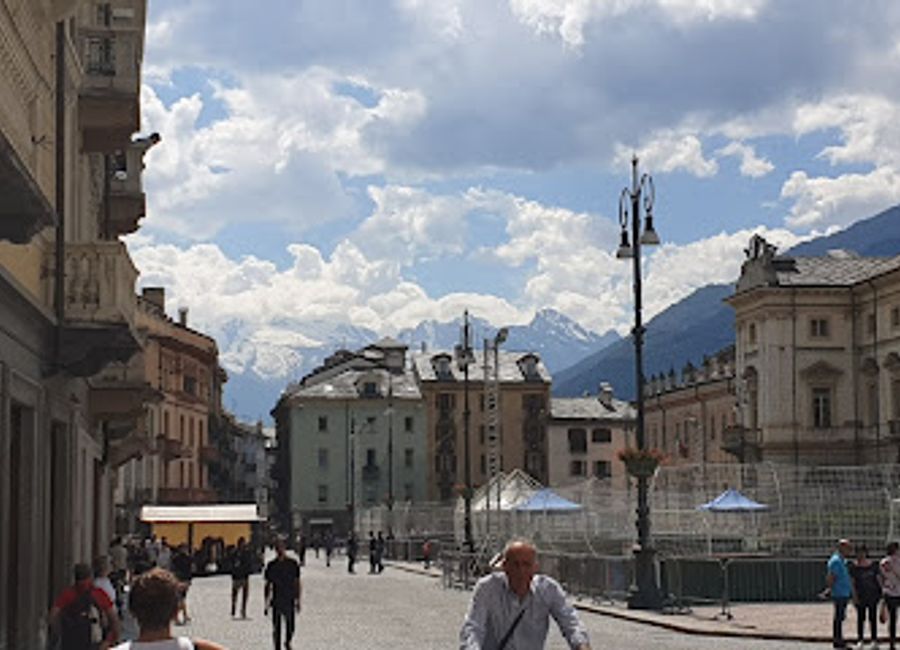
Explore the rich history of Aosta Valley at the Regional Archaeological Museum, showcasing ancient artifacts and captivating exhibitions.
Wandering through the exhibits, we journeyed from prehistoric times through the Roman era and into the Middle Ages. I was particularly fascinated by the Roman artifacts, testaments to Aosta's significance as Augusta Praetoria Salassorum. Hans-Peter, with his keen eye for detail, was captivated by the intricate craftsmanship of the pottery and sculptures.
History is not a burden on the memory but an illumination of the soul.
I was particularly moved by a display of everyday objects – tools, jewelry, and household items. These unassuming artifacts offered a glimpse into the lives of ordinary people who lived here centuries ago. It’s easy to get lost in grand narratives of emperors and battles, but it’s equally important to remember the daily struggles and triumphs of those who built and sustained communities. The small scar above my left eyebrow, a souvenir from a childhood adventure in the forests of Cēsis, seemed to resonate with these ancient stories, a reminder that every life leaves its mark.
A Spiritual Ascent at Aosta Cathedral
Leaving the museum, we made our way to Aosta Cathedral, also known as the Cathedral of Santa Maria Assunta. The cathedral stands on what was once the sacred area of the Roman Forum, a site of immense historical and spiritual significance. Founded in the 4th century, the cathedral has undergone numerous transformations over the centuries, resulting in a fascinating blend of architectural styles.
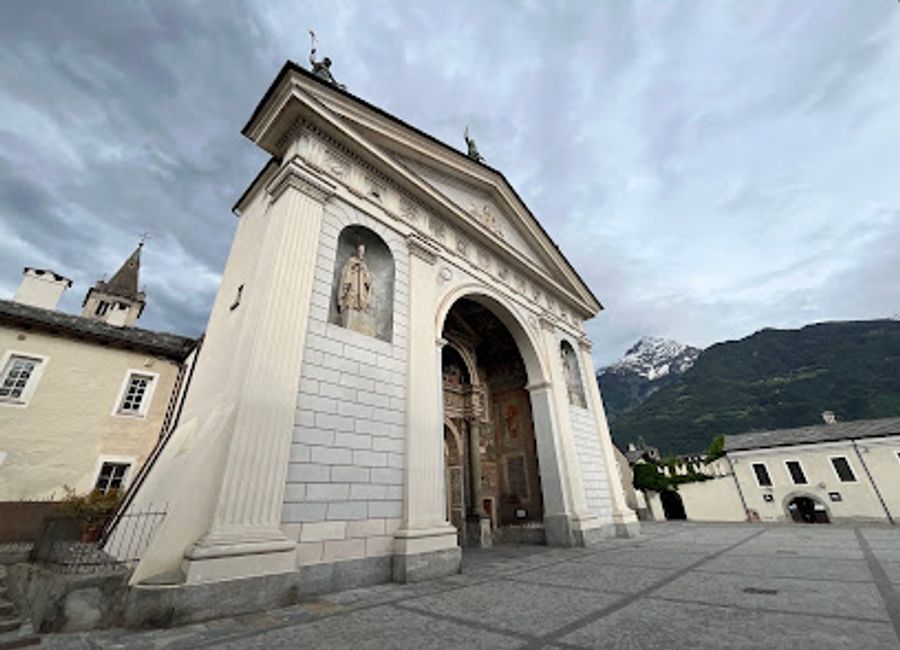
Discover the Aosta Cathedral, a stunning blend of Romanesque architecture and rich history in the heart of Aosta, Italy.
As we stepped inside, I was immediately struck by the sense of peace and reverence that permeated the space. The soaring vaults, the stained-glass windows, and the soft light created an atmosphere of ethereal beauty. Hans-Peter and I spent a long time simply sitting in the pews, soaking in the tranquility and admiring the artistry that surrounded us.
The Cathedral is dedicated to St. Mary of the Assumption and St. John the Baptist. We learned about its history from the 4th century to its rebuilding in the 11th century by Bishop Anselm I. The Romanesque crypt, the neoclassical façade, and the Gothic interior all tell a story of faith, resilience, and artistic expression.
One of the highlights was the Treasury Museum, which houses a remarkable collection of sacred art, including reliquaries, chalices, and liturgical vestments. These objects, crafted with exquisite skill and devotion, offered a tangible connection to the cathedral's long and storied past. The museum also displays artworks from different parishes in the valley, providing a comprehensive overview of the region's artistic heritage.
The facade of the cathedral is made up of two distinct parts: an atrium dating back to the sixteenth century and a neo-classical front section which was added in 1848. The atrium has an elegant architectural design in terracotta, decorated with statues and frescoes depicting the life of the Virgin Mary.
A Taste of Aosta: Lunch at Trattoria Praetoria
By lunchtime, we were both feeling rather peckish. Based on a recommendation from our guidebook, we decided to try Trattoria Praetoria. Located near the Porta Pretoria, this charming trattoria offers traditional Italian cuisine in a cozy setting.
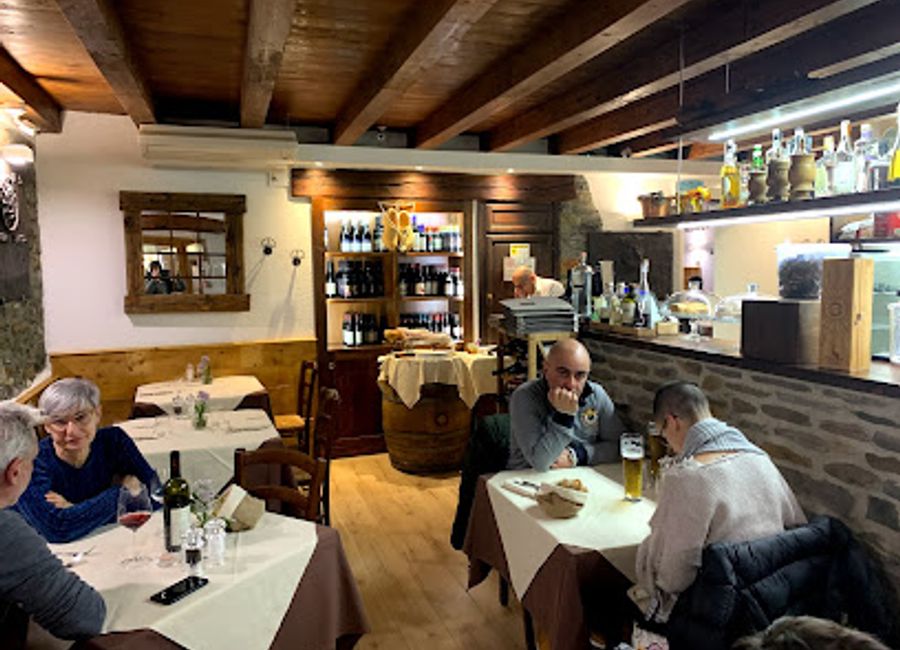
Experience authentic Italian cuisine at Trattoria Praetoria in Aosta - where tradition meets flavor in every dish.
We started with a shared plate of *salumi misti*, a selection of local cured meats that were simply divine. For our main courses, Hans-Peter chose the *fonduta alla valdostana*, a rich and creamy cheese fondue that is a regional specialty. I opted for the *carbonada con polenta*, a hearty beef stew served with creamy polenta. Both dishes were bursting with flavor and perfectly reflected the rustic charm of Aosta.
Exploring Les Halles d'Aoste
After lunch, we strolled through Les Halles d'Aoste, a local market. It's always a treat to visit local markets, and Les Halles d'Aoste was no exception. We wandered through the stalls, admiring the colorful displays of fresh produce, local cheeses, and artisanal products. I was particularly drawn to a stall selling fragrant herbs and spices, reminiscent of the Latvian herbs I grow in my garden back in Berlin. We picked up a few souvenirs – a jar of local honey and a bag of herbal tea – to take home with us.
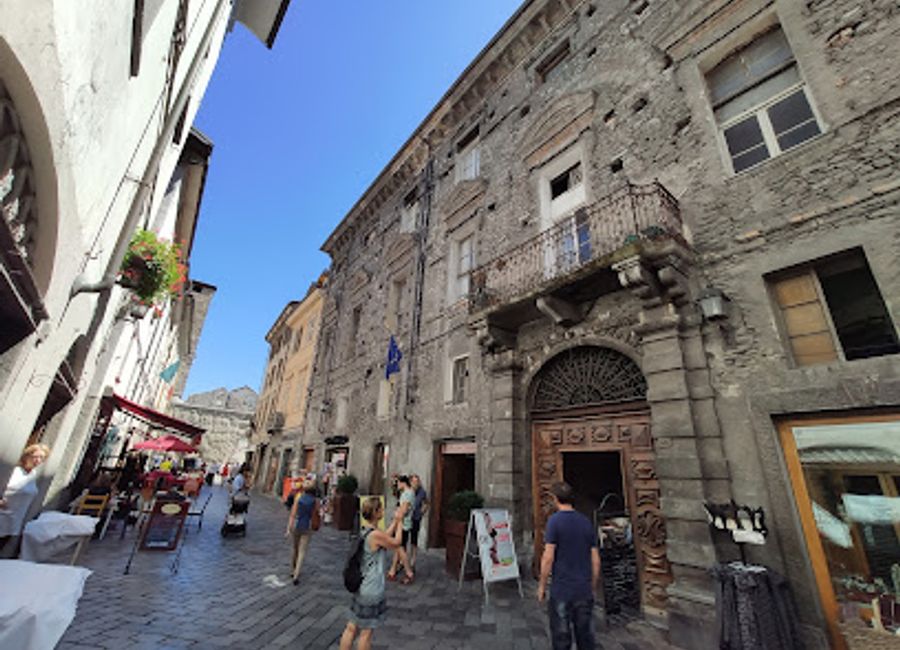
Discover the vibrant shopping experience at Les Halles d'Aoste, where local culture meets modern retail in the heart of Aosta Valley.
According to the Aosta website, Les Halles de Place Cavalieri di Vittorio Veneto are open from Monday to Saturday. The market offers a range of local products, including agro-alimentary, traditional, and organic goods.
Dinner at Osteria dell'Oca
For dinner, we chose Osteria dell'Oca, recommended for its authentic Valdostan cuisine. Tucked away in a small square near Piazza Chanoux, this *osteria* offered a warm and inviting atmosphere.
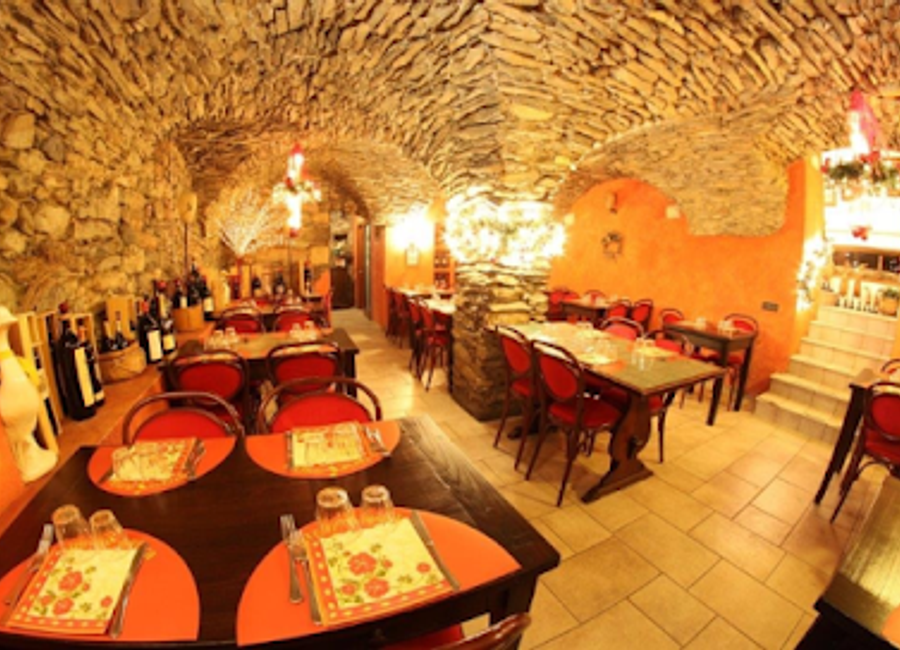
Experience authentic Italian cuisine at Osteria dell'Oca in Aosta, where local ingredients meet traditional recipes for an unforgettable meal.
We started with the *Antipasto dell'Oca*, a delightful assortment of local specialties. For the main course, Hans-Peter enjoyed the *stracotto con purè di patate*, a slow-cooked beef stew with mashed potatoes. I chose the *filetto di vitello con fonduta di fontina e tartufo nero*, a veal fillet with Fontina cheese fondue and black truffle. The meal was a true celebration of local flavors, and we savored every bite.
We learned that the cuisine at Osteria dell'Oca is primarily homemade, with a Mediterranean influence. They also offer a variety of pizzas and weekly menu variations. The restaurant aims to cater to different culinary needs, from light and affordable dishes for business clients to local flavors for tourists.
As the day drew to a close, we reflected on our experiences. Aosta had revealed its layers of history and spirituality, leaving us with a deeper appreciation for this enchanting corner of Italy. As we prepare for tomorrow's adventures in Parco Naturale del Monte Avic and Cascate di Lillaz [ElzaLastName], I am filled with anticipation for the natural beauty that awaits us.
Tomorrow, we plan to venture into the Parco Naturale del Monte Avic and visit the Cascate di Lillaz, immersing ourselves in the natural beauty of the region. Before that, we'll have breakfast at Cibo Ristorante Vegano, a vegan restaurant, which I am curious to try. For lunch, we'll be at Trattoria dei 4 amici, and for dinner, Hostaria del Calvino Trattoria Ristorante Aosta. We might also stop by Gekoo, a local bar, for a drink [TravelWith] [ElzaLastName].
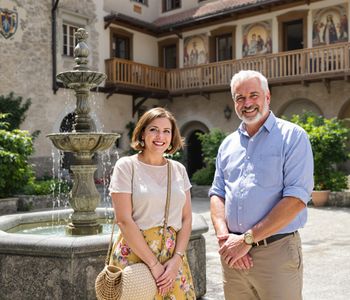
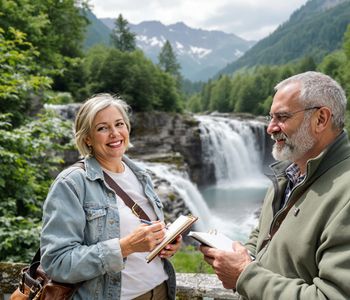

Discover the rich history, stunning landscapes, and charming villages of Valle d'Aosta, Italy. Perfect for history and nature enthusiasts.
Meet this Featured Explorer

-
 Occupation:
Archivist at the Deutsches Historisches Museum
Occupation:
Archivist at the Deutsches Historisches Museum
-
 Country:
Germany
Country:
Germany
-
 Age:
53
Age:
53
Es esmu Elza Bērziņa-Schmidt, a Latvian native living in Berlin, and an archivist with a passion for history and travel. Through my blog, I share my travel experiences, combining historical insights with personal anecdotes. Join me as I explore the world, uncovering hidden gems and immersing myself in different cultures. I hope to inspire you to embark on your own adventures, whether it's exploring ancient ruins or discovering the charm of a local market.
Find Similar Travel Diaries
Explore locations from this diary
-
Regional Archaeological Museum
Explore the rich history of Aosta Valley at the Regional Archaeological Museum, showcasing ancient artifacts and captivating exhibitions.
-
Aosta Cathedral
Discover the Aosta Cathedral, a stunning blend of Romanesque architecture and rich history in the heart of Aosta, Italy.
-
Break House
Discover authentic Italian flavors at Break House in Aosta - home to delicious pizzas and fresh seafood in a cozy atmosphere.
-
Trattoria Praetoria
Experience authentic Italian cuisine at Trattoria Praetoria in Aosta - where tradition meets flavor in every dish.
-
Osteria dell'Oca
Experience authentic Italian cuisine at Osteria dell'Oca in Aosta, where local ingredients meet traditional recipes for an unforgettable meal.
-
Les Halles d'Aoste
Discover the vibrant shopping experience at Les Halles d'Aoste, where local culture meets modern retail in the heart of Aosta Valley.