Exploring the Historical Wonders of Granada with Friends
Day 3: A Day of Renaissance and Refreshments in Granada
Exploring Granada's Monasterio de San Jerónimo and El Bañuelo, followed by delightful dining experiences with friends.
Echoes of History and Gin in Granada
Today, my friends and I delved deeper into Granada's historical heart, a journey that blended the solemn beauty of Renaissance architecture with the soothing echoes of ancient Moorish baths. The day culminated in a delightful exploration of Granada's culinary scene, a perfect blend of historical reflection and sensory pleasure.
Our day began with a hearty breakfast at Pimienta Rosa. The reviews I had read online mentioned its warm ambiance and unique decor, and it certainly lived up to the hype. The restaurant's blue facade hinted at the surprises within, and we were immediately enveloped in its cozy atmosphere. I opted for a traditional Spanish breakfast, while my friends chose some of the more innovative options on the menu. It was the perfect start to a day filled with exploration.
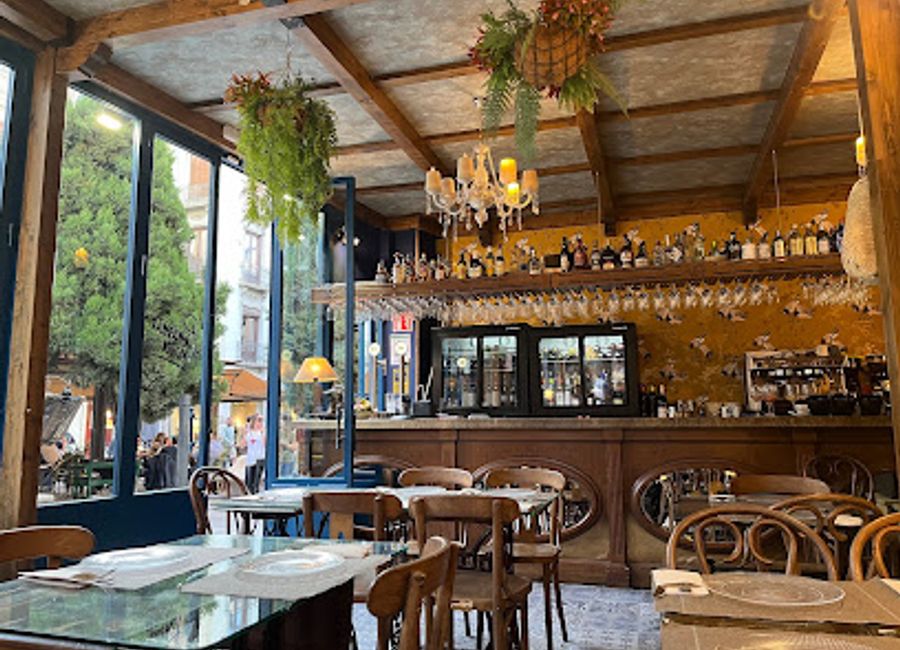
Experience exquisite Andalusian cuisine at Pimienta Rosa, a top-rated restaurant in Granada offering innovative dishes and a warm atmosphere.
Our first stop was the Monasterio de San Jerónimo. As an archivist, I'm naturally drawn to places that whisper stories of the past. This monastery, Granada's first Christian monastery, certainly did not disappoint. Built on land believed to have once belonged to Boabdil, the last Nasrid king, its stones seemed to hum with centuries of history. The monastery's construction began in 1504, a project initiated by the Catholic Monarchs. However, it was Diego de Siloé who transformed it into a masterpiece of the Spanish Renaissance. The transition from Gothic to Renaissance styles is palpable, a testament to the changing times and artistic visions.

Explore the stunning Monasterio de San Jerónimo, a historical and architectural jewel in Granada, showcasing exquisite Renaissance artistry and serene gardens.
As we wandered through the monastery, I couldn't help but marvel at the intricate details of the architecture. The church, with its Latin cross plan, is a stunning example of Renaissance artistry. The high altar in the main chapel, a masterpiece of Andalusian Mannerism, is dedicated to Gonzalo Fernández de Córdoba, the 'Great Captain,' and his wife. The sculptures depict scenes of his military achievements, a fitting tribute to a man who played a crucial role in the surrender of the Moors. It was fascinating to learn that much of the construction was financed by the Great Captain's widow, María de Manrique, ensuring her and her husband’s final resting place within the hallowed halls.
History is not the past but a map of the past, drawn from a particular point of view.
The turbulent history of the monastery also intrigued me. It served as a residence for Hieronymite monks for over three centuries until Napoleon's troops seized it, transforming it into artillery barracks. Later, it was used as a barracks after the disentailment of Mendizabal. It's remarkable how the building has survived these tumultuous periods, its stones bearing silent witness to the ebb and flow of history.
After immersing ourselves in the grandeur of the Monasterio de San Jerónimo, we sought a different kind of historical experience at El Bañuelo. This ancient Islamic bathhouse, located in the Albaicín quarter along the Darro River, offered a glimpse into Granada's Moorish past. As we walked through the Albaicín, I couldn't help but notice how the spirit of the old Arab quarter still permeates the air. The narrow, winding streets and the traditional architecture transported me back in time, offering a stark contrast to the Renaissance grandeur of the monastery.

Explore El Baño del Palacio, a historical landmark in Granada's Albaicín district, showcasing exquisite Moorish architecture and rich cultural heritage.
El Bañuelo, also known as the Baño del Nogal, is one of the oldest and best-preserved hammams in Granada. It dates back to the 11th century, during the Zirid dynasty. Bathhouses like these were once common in Muslim cities, serving both social and religious purposes. They provided a space for ablutions and hygiene and were also places for socialization. The layout and function of El Bañuelo were modeled after Roman bathhouses, reflecting the enduring influence of Roman culture in the region.
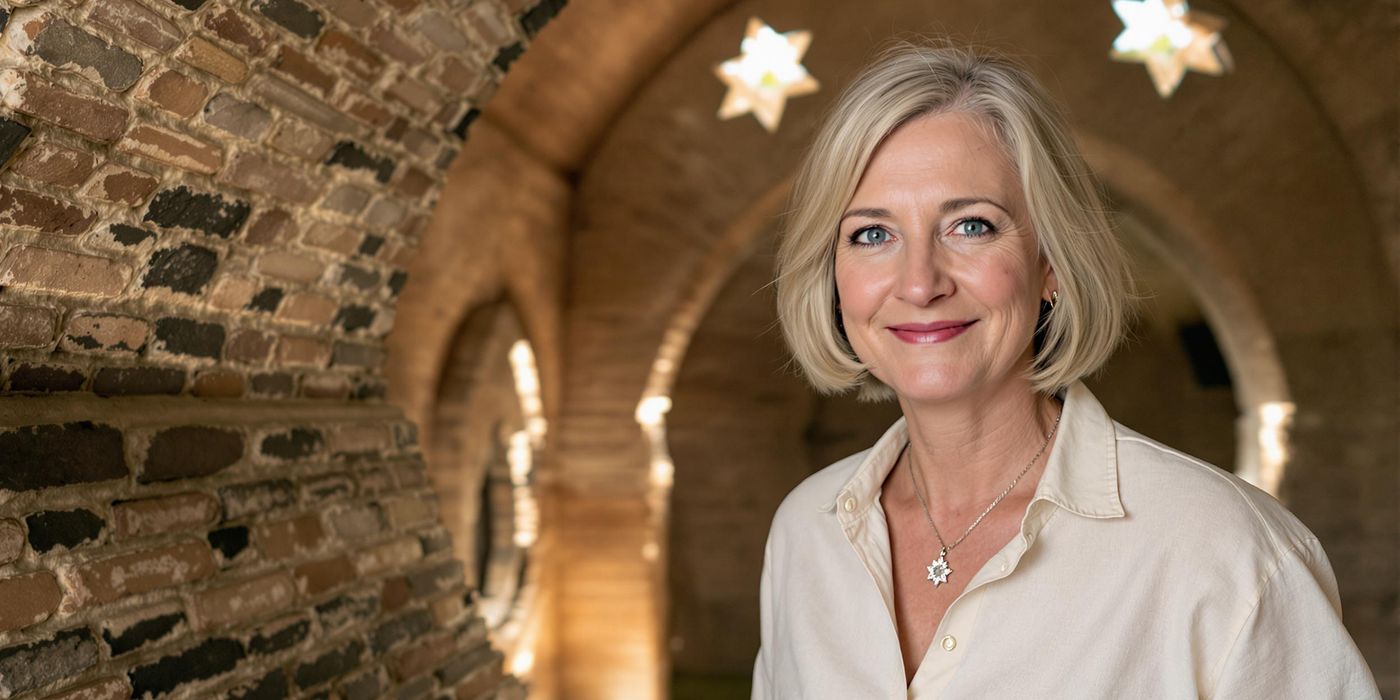
It's fascinating to think that this bathhouse was in use until at least the 16th century, even after the fall of Granada to the Spanish Catholic Monarchs. It was later repurposed as a public laundry facility and even a dwelling. Fortunately, in the 20th century, it underwent restoration and is now open to the public. As I wandered through the various chambers, I could almost hear the echoes of conversations and the gentle sounds of water from centuries past. The brick vaults with their star-shaped openings created a serene atmosphere, a testament to the ingenuity of Moorish architecture.
Lunch was a delightful affair at Restaurante Mirador de Morayma, nestled in the Albaicín. The restaurant lived up to its name, offering breathtaking views of the Alhambra. The wisteria-draped terrace provided a perfect setting for a leisurely meal. We savored traditional Andalusian dishes, each bite bursting with flavor. The ambiance was enchanting, the combination of exquisite food and stunning scenery creating an unforgettable experience. I enjoyed the 'rabo de toro', which came highly recommended and didn't disappoint.
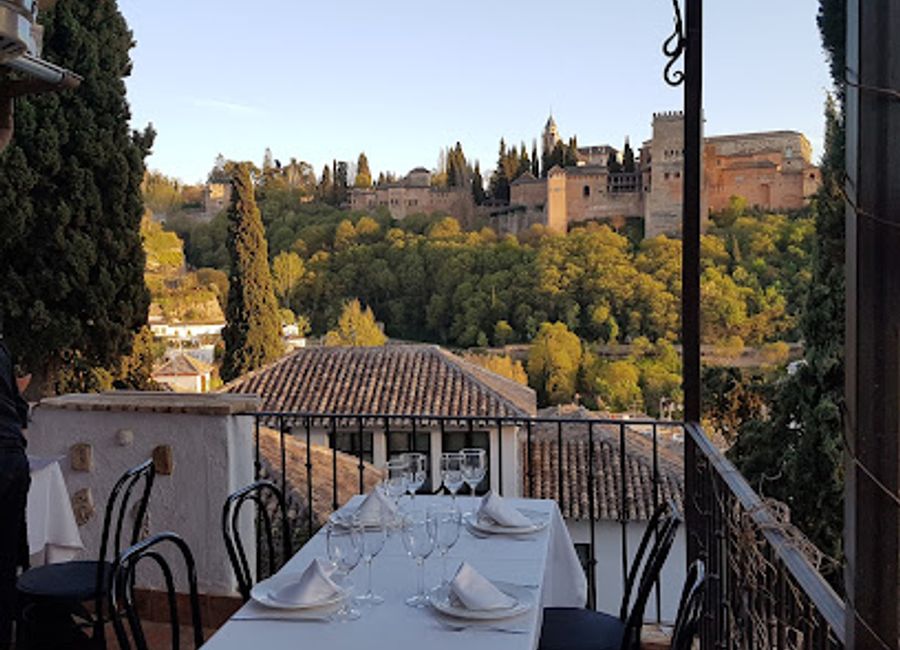
Experience authentic Mediterranean cuisine amidst stunning views at Restaurante Mirador de Morayma in Granada's historic Albaicín district.
As the sun began to dip below the horizon, casting a warm glow over Granada, we made our way to Restaurante Arrayanes for dinner. This Moroccan restaurant, located near Cuesta de Maranas, promised an authentic culinary journey. The restaurant's decor transported us to a different world, with intricate details and exotic touches. We started with the hummus, followed by the couscous, each dish a symphony of flavors and spices. I tried the 'pastela de pollo' after seeing it recommended online.

Experience authentic Moroccan and Mediterranean cuisine at Restaurante Arrayanes in Granada's enchanting Albaicín district.
To cap off our evening, we decided to visit La Gintonería Centro, a gin bar known for its creative cocktails. The bar's lively atmosphere and extensive gin selection made it the perfect place to unwind after a day of exploration. We sampled several of their signature cocktails, each a unique blend of flavors and aromas. As I sipped my gin and tonic, I reflected on the day's experiences, the blend of history, culture, and gastronomy that had made it so special.
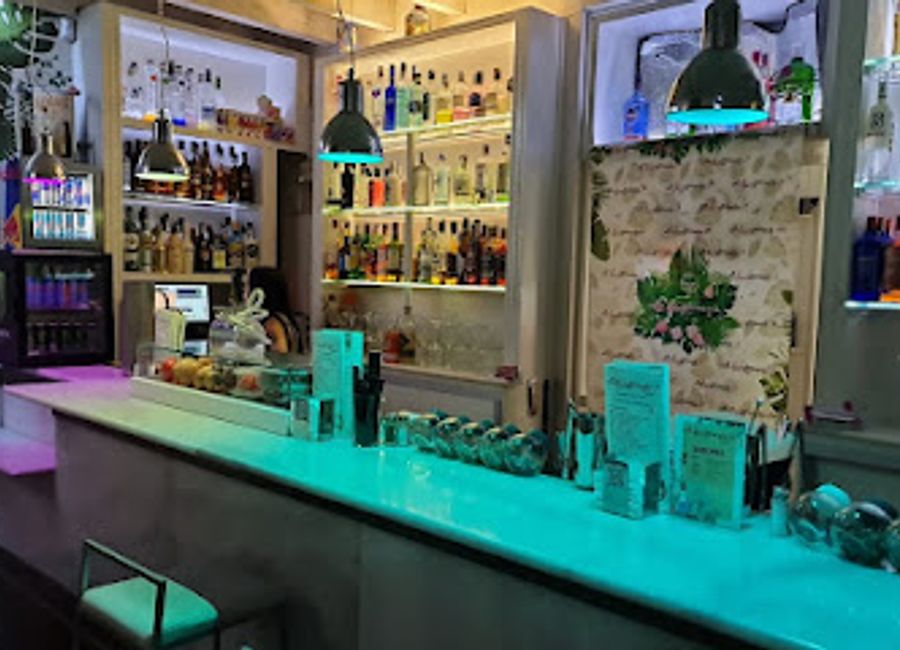
Discover the best gin cocktails in Granada at La Gintonería Centro, where every sip is a celebration of flavor and creativity.
Tomorrow, we plan to visit the Mirador de San Nicolás and Carmen de los Mártires. I am particularly looking forward to the Mirador, as I've heard the views of the Alhambra from there are unparalleled. We'll also be exploring the Patio de los Perfumes, a shop I'm sure will awaken my senses with its array of scents. I am also looking forward to trying some of the local breakfast at La Bodega de Antonio.
As I write this, I am filled with a sense of gratitude for the opportunity to experience Granada's rich tapestry of history and culture. Each day brings new discoveries, new flavors, and new perspectives. I am eager to see what tomorrow will bring, what new stories Granada will reveal.
Granada has a way of seeping into your soul, leaving an indelible mark on your heart. It's a city that invites you to slow down, to savor each moment, and to appreciate the beauty that surrounds you. And as I drift off to sleep tonight, I know that I will dream of Moorish baths, Renaissance monasteries, and the tantalizing flavors of Andalusian cuisine. Until tomorrow, Granada.
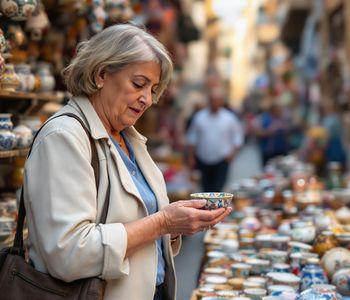

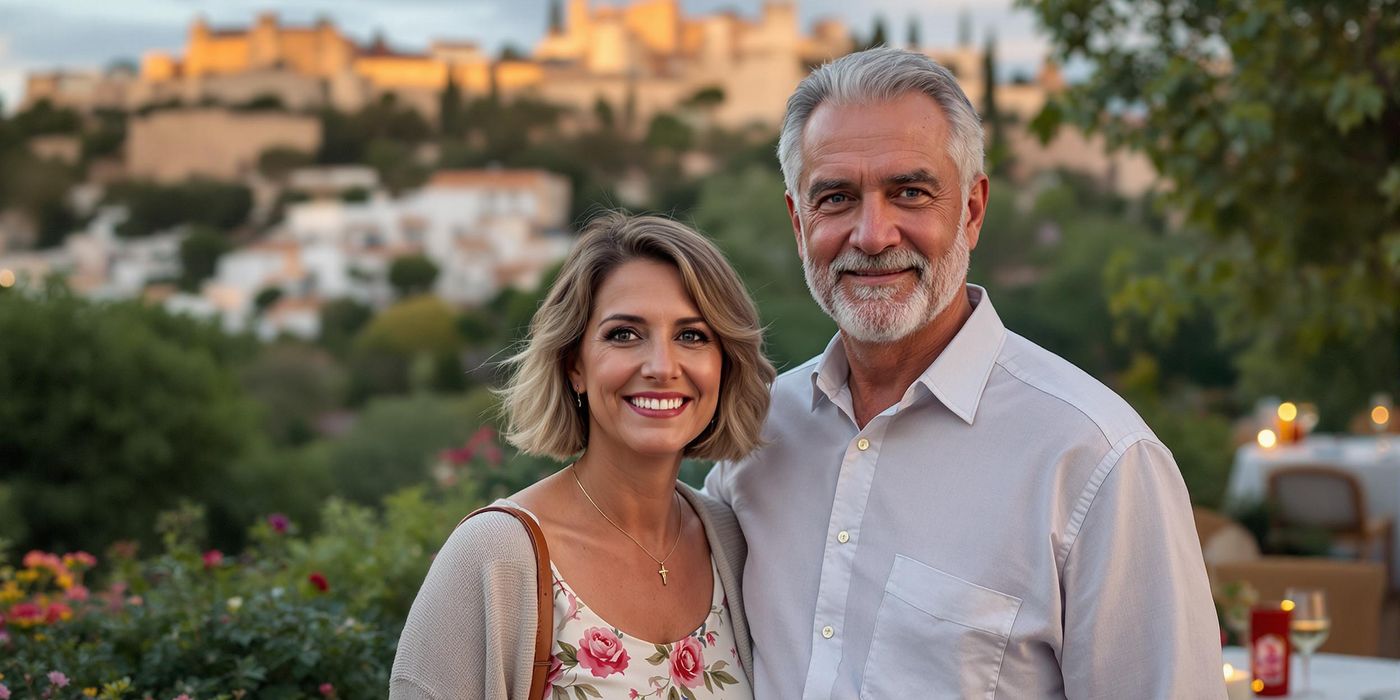
Join me and my friends as we explore Granada's rich history and culture, from the Alhambra to the Albaicín, in a 10-day Andalusian adventure.
Meet this Featured Explorer

-
 Occupation:
Archivist at the Deutsches Historisches Museum
Occupation:
Archivist at the Deutsches Historisches Museum
-
 Country:
Germany
Country:
Germany
-
 Age:
53
Age:
53
Es esmu Elza Bērziņa-Schmidt, a Latvian native living in Berlin, and an archivist with a passion for history and travel. Through my blog, I share my travel experiences, combining historical insights with personal anecdotes. Join me as I explore the world, uncovering hidden gems and immersing myself in different cultures. I hope to inspire you to embark on your own adventures, whether it's exploring ancient ruins or discovering the charm of a local market.
Find Similar Travel Diaries
Explore locations from this diary
-
Monasterio de San Jerónimo, Granada
Explore the stunning Monasterio de San Jerónimo, a historical and architectural jewel in Granada, showcasing exquisite Renaissance artistry and serene gardens.
-
El Bañuelo
Explore El Baño del Palacio, a historical landmark in Granada's Albaicín district, showcasing exquisite Moorish architecture and rich cultural heritage.
-
Pimienta rosa | Restaurante Granada
Experience exquisite Andalusian cuisine at Pimienta Rosa, a top-rated restaurant in Granada offering innovative dishes and a warm atmosphere.
-
Restaurante Mirador de Morayma
Experience authentic Mediterranean cuisine amidst stunning views at Restaurante Mirador de Morayma in Granada's historic Albaicín district.
-
Restaurante Arrayanes
Experience authentic Moroccan and Mediterranean cuisine at Restaurante Arrayanes in Granada's enchanting Albaicín district.
-
La Gintonería Centro
Discover the best gin cocktails in Granada at La Gintonería Centro, where every sip is a celebration of flavor and creativity.