Whale Watching and Cultural Exploration in Húsavík, Iceland
Day 5: A Day of Gods and Turf: Exploring Iceland's Historical Heart
Journey through Iceland's past with Goðafoss and Grenjaðarstaður, savoring local flavors in Húsavík on a memorable day trip.

Whispers of the Past: Goðafoss and Grenjaðarstaður
Today, Hans-Peter and I embarked on a journey that felt like stepping back in time, immersing ourselves in the rich history and breathtaking landscapes that define Northern Iceland. From the thundering waters of Goðafoss to the serene turf houses of Grenjaðarstaður, every moment was a vivid reminder of Iceland's captivating past. It was a day of exploration, reflection, and a deeper appreciation for the stories etched into this remarkable land.
Our day began with a hearty breakfast at MTB Húsavík. It seems like a place that mainly focuses on tours, but also serves breakfast. Fuelled up for the day, we set off towards our first destination: Goðafoss, the 'Waterfall of the Gods'. As we drove, the landscape transformed into a tapestry of rolling hills and pristine lakes, a prelude to the natural wonder that awaited us. The anticipation was palpable, and I couldn't help but feel a sense of reverence as we approached the falls.
The sight of Goðafoss was nothing short of awe-inspiring. The water cascaded down with tremendous force, creating a symphony of sound that resonated deep within. The sheer power and beauty of the falls were mesmerizing, and I found myself lost in contemplation as I watched the turquoise waters plunge into the river below. The name 'Waterfall of the Gods' is tied to a pivotal moment in Icelandic history, when Þorgeir Ljósvetningagoði, the lawspeaker, threw statues of the Norse gods into the waterfall after Iceland converted to Christianity in 1000 AD. This symbolic gesture marked a turning point in the nation's history, and standing there, I could almost feel the weight of that momentous decision.
The beauty of Goðafoss is not just in its cascading waters, but in the echoes of history that resonate within its roar.
We spent a good amount of time at Goðafoss, taking in the panoramic vistas from the viewing platforms. I captured numerous photographs, trying to encapsulate the essence of this majestic place, but no image could truly do it justice. The surrounding landscape, with its volcanic rocks and verdant vegetation, added to the allure, creating a scene that felt both dramatic and serene. Hans-Peter, ever the patient companion, shared my awe, and we discussed the significance of this place in Iceland's cultural heritage. I made a mental note to perhaps paint this scene when we return to Berlin.
Leaving Goðafoss, we continued our journey to Grenjaðarstaður, an old Turfhouse. The drive itself was a treat, with the Icelandic countryside unfolding before us in all its glory. As an archivist, I've always been fascinated by historical dwellings, and I was particularly excited to explore a traditional Icelandic turf house. Grenjaðarstaður is one of the largest turf houses in Iceland, offering a glimpse into the living conditions of past centuries. The current residence was built in 1865 and remained inhabited until 1949.
Arriving at Grenjaðarstaður, I was immediately struck by the unique architecture of the turf house. The structure blended seamlessly into the landscape, with its grass-covered roof and walls made of local lava rock. It was a testament to the ingenuity of the Icelanders, who adapted to the harsh climate by building homes that provided insulation and protection from the elements. We explored the interior, marveling at the layout and the artifacts on display. Each room told a story, offering insights into the daily lives of the people who once lived here. The house was surprisingly spacious, and I could imagine families gathering around the fireplace, sharing stories and laughter.
Grenjaðarstaður was once one of the wealthiest church estates in the country. Before the Reformation, there was a church here dedicated to St. Martin. It's believed that Árni Hallgrímsson, a renowned builder, designed the main buildings. The farm could house up to 30 people at its peak. The National Museum of Iceland has overseen the farm since 1954. The turf farm is a prime example of turf architecture. In the cemetery, visitors can see a runestone dating back to the Middle Ages.
One of the highlights of Grenjaðarstaður was the functional Lutheran church built in 1865. As we wandered through the rooms, I couldn't help but reflect on the resilience and resourcefulness of the Icelandic people. Living in such a remote and challenging environment required a unique set of skills and a deep connection to the land. The turf houses were not just buildings; they were symbols of survival and community. Hans-Peter, with his keen eye for detail, appreciated the craftsmanship and the way the turf houses blended into the natural surroundings. He was particularly impressed by the use of local materials and the sustainable design of the structures.
After our historical immersion, it was time for lunch. We drove back to Húsavík and had lunch at Viðbót. This café provides a casual atmosphere suitable for groups and families with kids. They prominently feature coffee and offer free street parking. I enjoyed a delicious bowl of traditional Icelandic soup, while Hans-Peter opted for the fish and chips. The meal was simple but satisfying, and it provided a welcome respite after our explorations.
With our appetites sated, we decided to explore the town of Húsavík a bit more. We stopped by Krambúðin, a local convenience store. It’s a welcoming store where you can stock up on essentials or find a quick snack. It's also a good place to find local delicacies and Icelandic souvenirs. The friendly staff embodies the warm spirit of Icelandic hospitality. I picked up a few Icelandic treats to bring back to our hotel, while Hans-Peter found a small, hand-carved wooden puffin that he thought would make a nice addition to his collection.
As evening approached, we made our way to Jaja Ding Dong Húsavík for dinner. This bar and café is inspired by the Eurovision movie. The restaurant is known for its great service and friendly staff. The prices are average, and the decor is nice. We enjoyed a delightful meal of pizza and focaccia, accompanied by local beer. The atmosphere was lively and fun, and we couldn't help but smile as we listened to Eurovision hits playing in the background. It was the perfect way to end a day filled with history, culture, and natural beauty.
Reflecting on the day, I felt a deep sense of gratitude for the opportunity to experience Iceland's rich heritage. From the thundering waters of Goðafoss to the serene turf houses of Grenjaðarstaður, every moment was a testament to the country's captivating past. As we head back to the Fosshotel, I am already looking forward to tomorrow's adventure, where we plan to explore the volcanic landscapes of Krafla and hike around Mývatn. I must remember my sunglasses, I forgot them today, and the sun reflecting off the water was quite intense! Good thing I packed the camera, though. It has been an unforgettably beautiful day.
Tomorrow, we're planning to explore Krafla and Mývatn. Krafla is a volcanic system with a history of eruptions, and Mývatn is a beautiful lake surrounded by geothermal areas and volcanic craters. I am looking forward to seeing the unique landscapes and learning more about Iceland's geology. We'll have breakfast at Húsavík Green Hostel, lunch at Grill 66, and dinner at Fosshotel Húsavík. In the evening, we might visit Gamli Baukur, a local bar. I am particularly excited about the hike and bike activity around Mývatn, as it will allow us to experience the natural beauty of the area up close. It promises to be another day filled with adventure and discovery.

Experience the breathtaking beauty and rich history of Goðafoss, Iceland's renowned 'Waterfall of the Gods,' a must-see natural wonder.
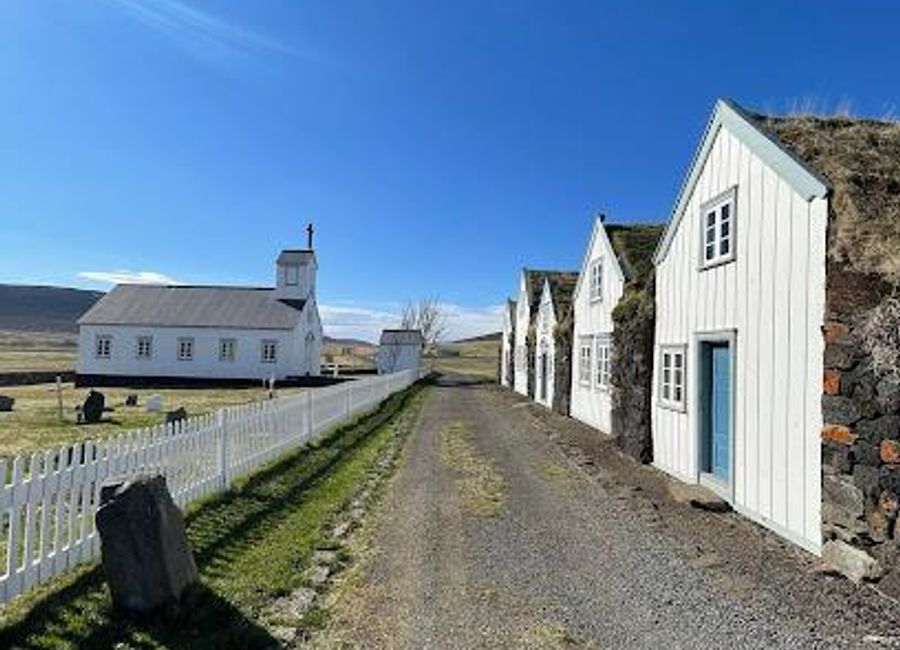
Discover Iceland's past at Grenjaðarstaður, the Old Turfhouse Museum in Húsavík, showcasing traditional turf architecture and cultural heritage.
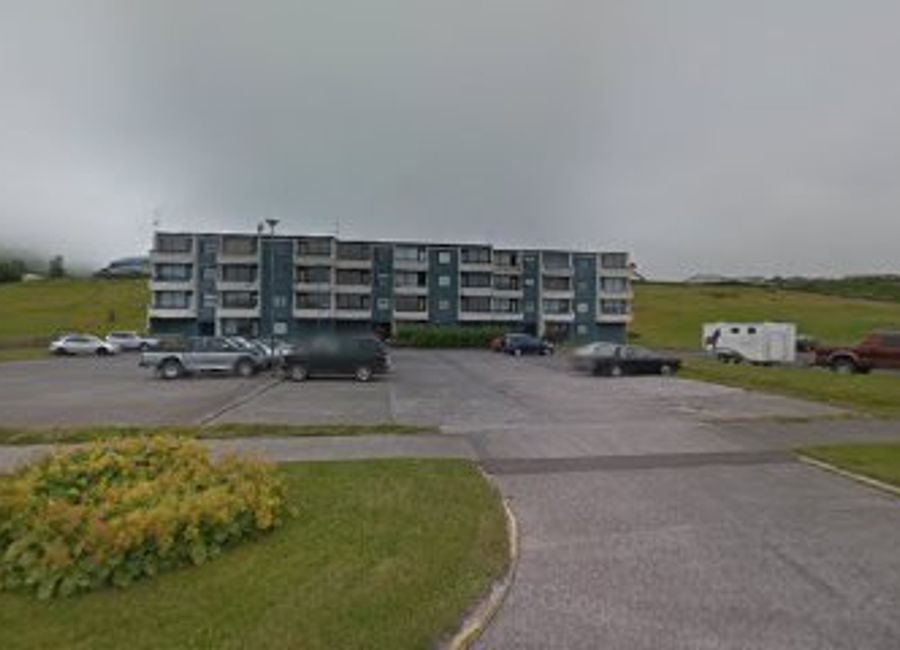
Discover exhilarating mountain biking adventures at MTB Húsavík - where stunning landscapes meet thrilling rides.

Experience authentic Icelandic cuisine at Viðbót in Húsavík - where every dish tells a story.
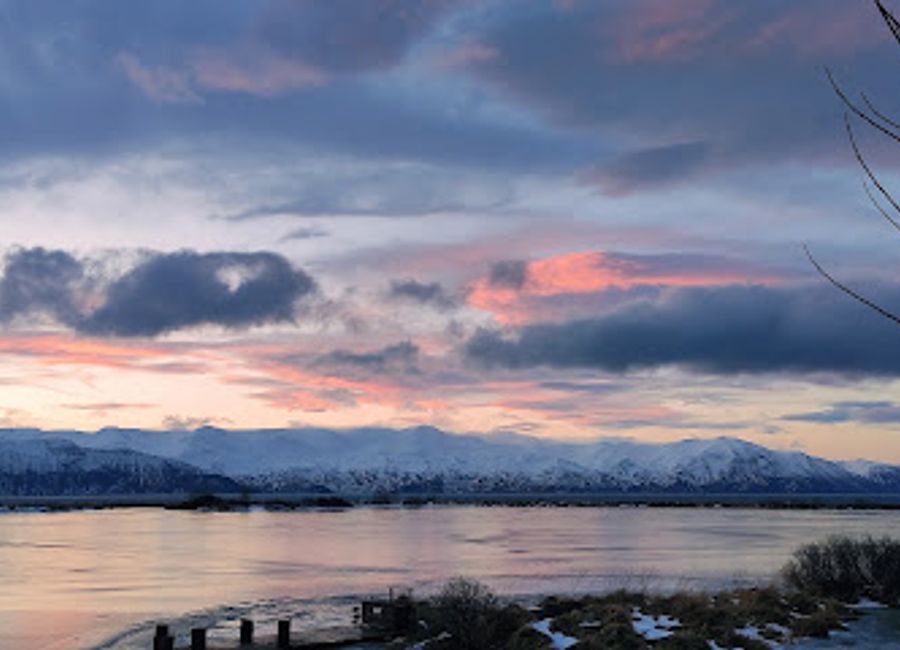
Krambúðin in Húsavík is your essential stop for local snacks, souvenirs, and friendly service, embodying Icelandic charm and convenience.
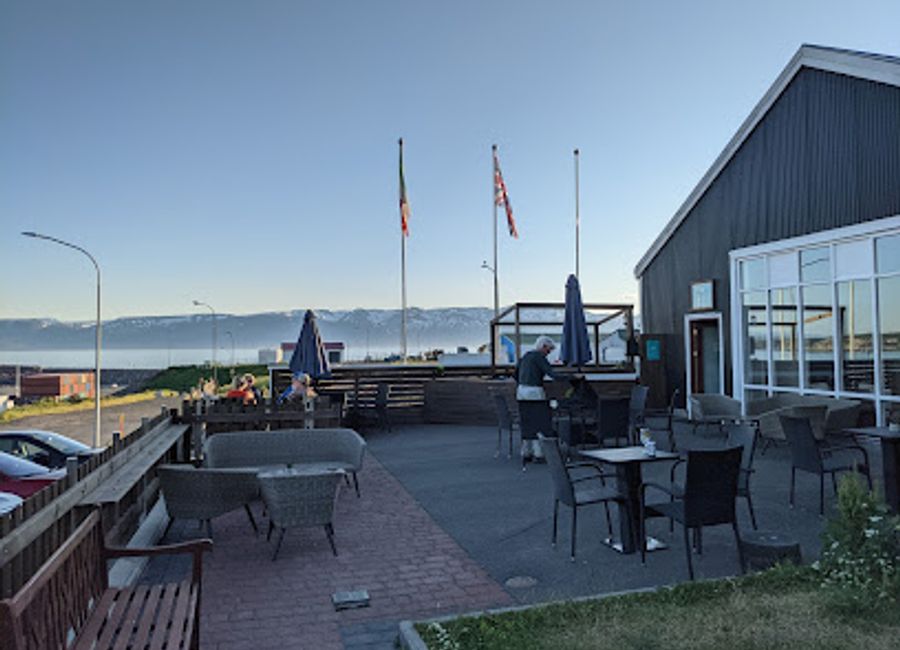
Discover the vibrant spirit of Jaja Ding Dong Húsavík - where delicious cuisine meets Icelandic musical heritage in an unforgettable atmosphere.

Experience charming hospitality at Fosshotel Husavik, the perfect base for exploring Iceland's stunning landscapes and vibrant culture.


Discover the magic of Húsavík, Iceland's whale-watching capital, with cultural exploration and stunning natural landscapes.
Meet this Featured Explorer
-
 Occupation:
Archivist at the Deutsches Historisches Museum
Occupation:
Archivist at the Deutsches Historisches Museum
-
 Country:
Germany
Country:
Germany
-
 Age:
53
Age:
53
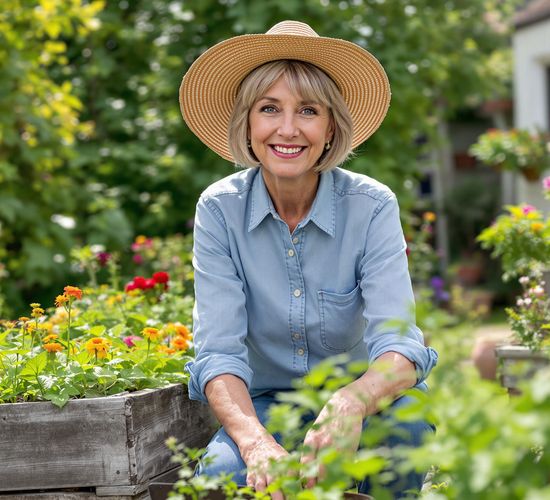
Es esmu Elza Bērziņa-Schmidt, a Latvian native living in Berlin, and an archivist with a passion for history and travel. Through my blog, I share my travel experiences, combining historical insights with personal anecdotes. Join me as I explore the world, uncovering hidden gems and immersing myself in different cultures. I hope to inspire you to embark on your own adventures, whether it's exploring ancient ruins or discovering the charm of a local market.
Find Similar Travel Diaries
Explore locations from this diary
-
Fosshotel Husavik
Experience charming hospitality at Fosshotel Husavik, the perfect base for exploring Iceland's stunning landscapes and vibrant culture.
-
Goðafoss
Experience the breathtaking beauty and rich history of Goðafoss, Iceland's renowned 'Waterfall of the Gods,' a must-see natural wonder.
-
Grenjaðarstaður - the Old Turfhouse
Discover Iceland's past at Grenjaðarstaður, the Old Turfhouse Museum in Húsavík, showcasing traditional turf architecture and cultural heritage.
-
MTB Húsavík
Discover exhilarating mountain biking adventures at MTB Húsavík - where stunning landscapes meet thrilling rides.
-
Viðbót
Experience authentic Icelandic cuisine at Viðbót in Húsavík - where every dish tells a story.
-
Jaja Ding Dong Húsavík
Discover the vibrant spirit of Jaja Ding Dong Húsavík - where delicious cuisine meets Icelandic musical heritage in an unforgettable atmosphere.
-
Krambúðin
Krambúðin in Húsavík is your essential stop for local snacks, souvenirs, and friendly service, embodying Icelandic charm and convenience.