Solo Cultural Exploration at Feynan Ecolodge, Jordan
Day 7: Echoes of Faith and Craftsmanship in Petra
Exploring Petra's Byzantine Church and the Temple of the Winged Lions, discovering ancient mosaics and local artistry in Jordan.
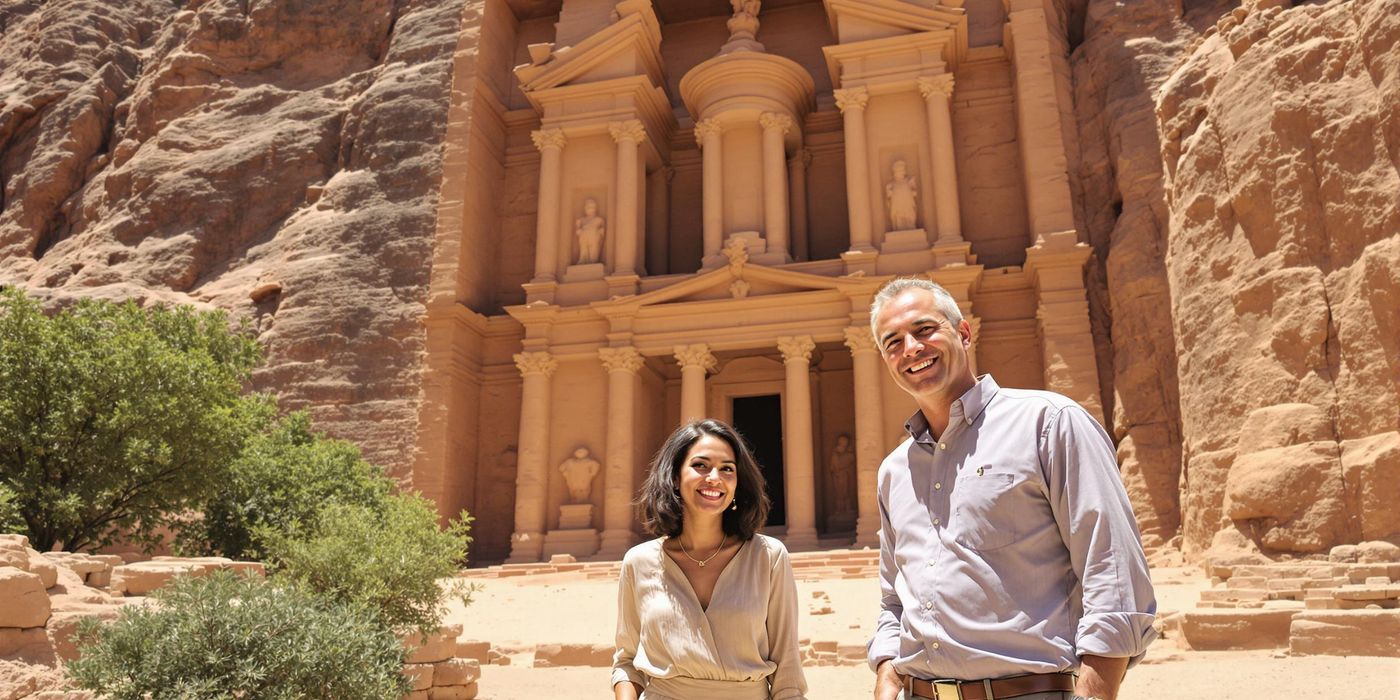
Whispers of the Past
Today was a day of delving deeper into Petra's soul, a journey through layers of history and culture that left me breathless. It wasn't just about seeing ancient ruins; it was about feeling the pulse of civilizations long gone, and connecting with the artistry and faith that shaped this incredible place. The desert heat was intense, but the stories etched in stone and mosaic kept me going, eager to uncover the secrets hidden in plain sight.
My day began, as most days here have, with a delightful breakfast at the Feynan Ecolodge. The fresh, local ingredients always set a positive tone for the adventures ahead. Fuelled and ready, I set off for Petra, eager to explore the wonders that awaited. The anticipation was palpable, a sense of excitement building with each step closer to the ancient city. Today, my focus was on two significant sites: the Byzantine Church and the Temple of the Winged Lions. Each promised a unique glimpse into Petra's multifaceted past.
First on my itinerary was the Byzantine Church, a site that speaks volumes about Petra's transition through different eras. Perched on elevated ground in the city center, north of the Colonnaded Street, the Petra Church, as it is also known, is a testament to the city's Byzantine history. It is one of three Byzantine churches on the hillside. The church dates back to the 5th and 6th centuries. Archaeologists believe the Church was originally constructed in the second half of the fifth century CE. It remained a religious structure until a fire destroyed it in the early seventh century CE.
As I approached, I was immediately struck by the architectural details that hinted at a blend of cultures. The church was built over Nabataean and Roman remains around 450 AD. The mosaics, however, were the true highlight. These remarkably preserved artworks depict a variety of animals, both local and exotic, as well as mythological creatures and personifications of the seasons. Walking across these ancient floors, I felt a deep connection to the artisans who created them, their stories woven into each tiny tile. The skill and artistry were simply astounding, a vibrant tapestry of color and form that has survived the passage of centuries.
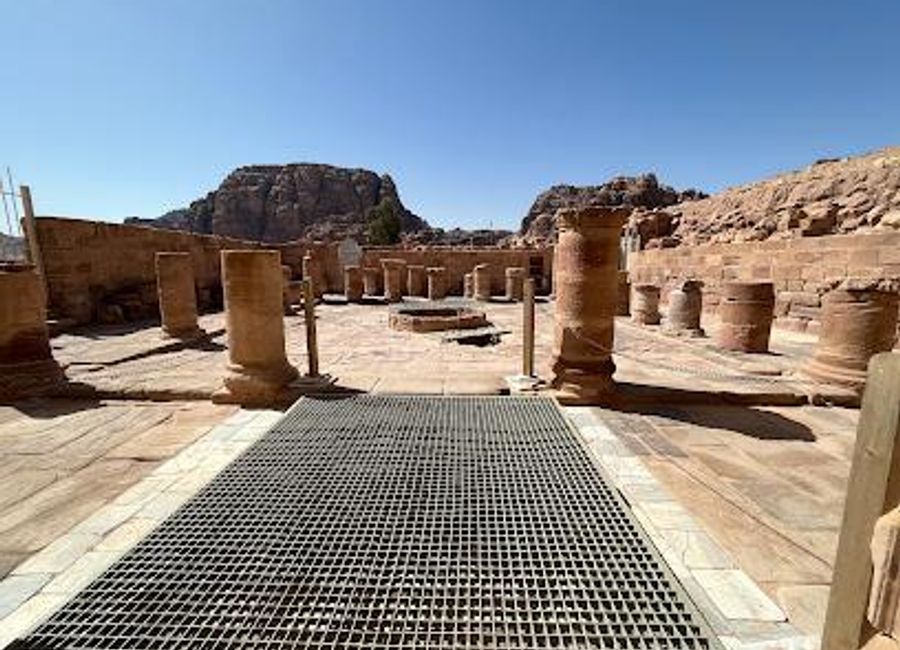
Explore the Byzantine Church in Petra, a stunning archaeological site showcasing exquisite mosaics and rich historical significance amidst breathtaking landscapes.
The past is never dead. It's not even past.
It's fascinating to imagine the church in its prime, a bustling center of worship and community. The Byzantine Church is also the location where 140 papyri scrolls were discovered. These 6th-century texts, known as the Petra Papyri, provide valuable information about life in Byzantine Petra and its rural surroundings. The texts reveal details about real-estate transactions, disputes, contracts, marriages, dowries, and inheritance, offering a glimpse into the daily lives of the people who lived here so long ago. It struck me how these documents, rescued from the ashes of a fire, could still speak so clearly across the ages. It was a potent reminder of how much we can learn from those who came before us.
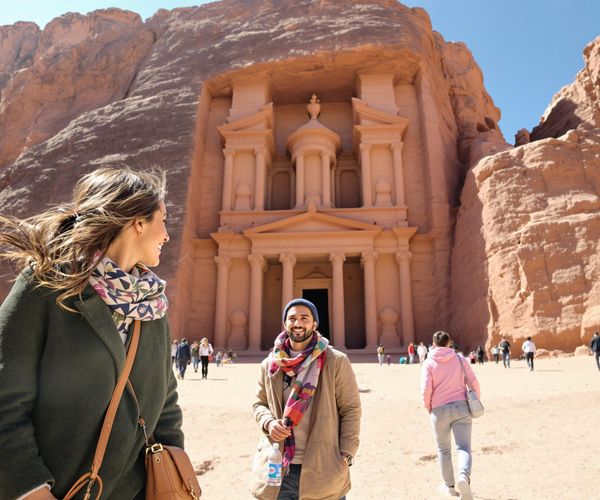
Leaving the church, I made my way to the Temple of the Winged Lions, a site that offered a different perspective on Petra's religious history. This large Nabataean temple complex, dating back to the reign of King Aretas IV (9 BCE–40 CE), is located in Petra's Sacred Quarter. The temple got its name from the winged lion figures topping the columns.

Explore the Winged Lion Temple, a stunning archaeological site in Uum Sayhoun, where history and artistry come together in an unforgettable experience.
The Temple of the Winged Lions stands as a testament to the religious, economic, and cultural aspects of Nabataean society. The temple's grand entrance includes a double colonnade stretching 85 meters, leading to a porch flanked by large columns. This opens into a 100 square meter cella surrounded by engaged and standing columns. It is believed that the temple was dedicated to the supreme goddess of the Nabataeans. Although experts are unsure which god was worshiped there, they believe it may have been the goddess al-Uzza or the fertility goddess Atargatis.
Exploring the temple, I was struck by the complexity of its design. Workshops dedicated to painting, metal-working, marble-working, and grain processing were identified within the temple. These workshops suggest the site's role in producing goods for religious purposes and export.
One of the most precious finds during the excavation of the temple was an “eye-stele”, a stone slab featuring a pair of eyes. The stele was inscribed with “Goddess of Hayyan, Son of Nayibat”. The artifacts and inscriptions found here provide valuable insights into Nabataean law and order, religious rituals, and the allocation of temple revenue.
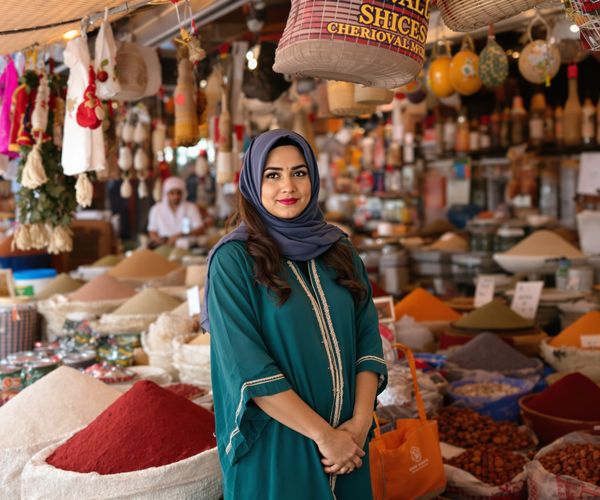
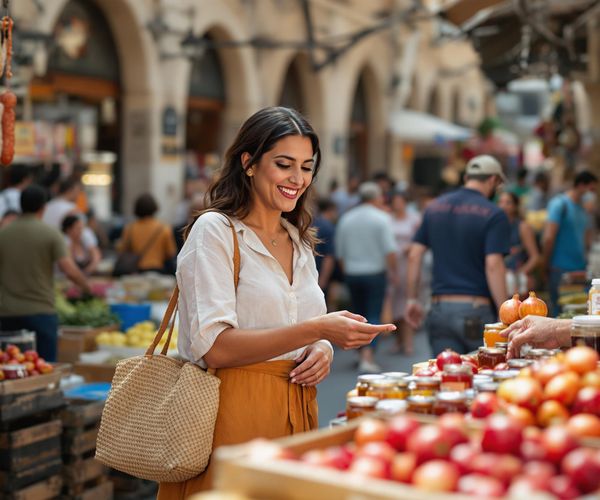
After a day of exploring ancient history, I decided to indulge in a bit of local artistry. I made my way to Jordan River Designs, a shop known for its beautiful handicrafts made by local community women. It’s an organization that empowers women through craft, blending traditional techniques with contemporary designs.
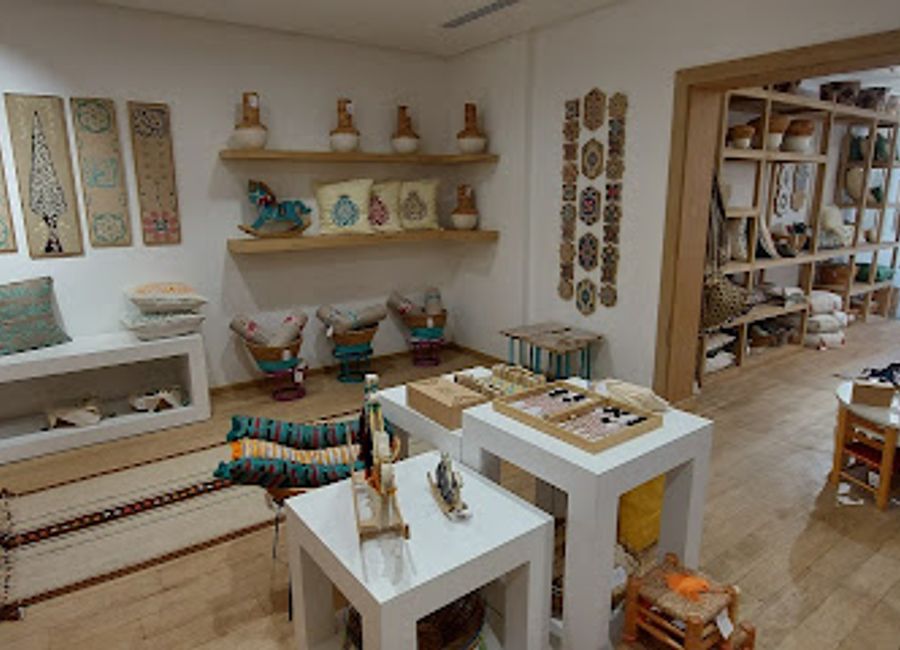
Explore Jordan River Designs - a gift shop in Amman, offering unique handcrafted souvenirs and local artisan products that capture the essence of Jordanian culture.
As someone who appreciates the preservation of cultural heritage, I was particularly drawn to the mission of Jordan River Designs. The organization provides women with year-round technical and entrepreneurial training through projects like Bani Hamidah Designs, Al Karma Embroidery, and Wadi Al Rayan Designs. These initiatives not only empower women but also help to sustain social and economic stability across local communities.
I spent a delightful hour browsing through the shop, admiring the intricate embroidery, handwoven rugs, and unique gift items. Each piece told a story, reflecting the rich visual arts of Jordan. I was particularly impressed by the Al Karma Embroidery Center, which employs local women artisans to create traditional and contemporary handmade embroidery products. The Bani Hamida Weaving Project, which revives the long-celebrated tradition of Bedouin weaving, also caught my eye.
I ended up purchasing a beautiful embroidered cushion cover, a piece that I know will remind me of my time here and the incredible women who crafted it. It’s more than just a souvenir; it’s a symbol of empowerment and cultural preservation, something I deeply value.
As the sun began to set, casting a warm glow over the red rocks of Petra, I made my way back to the Feynan Ecolodge. The day had been long and filled with exploration, but I felt invigorated by the discoveries I had made. The blend of ancient history and contemporary artistry had given me a deeper understanding of Petra's soul.
Back at the lodge, I enjoyed another delicious dinner, savoring the flavors of Jordan and reflecting on the day's adventures. The quiet of the desert night settled around me, a peaceful contrast to the bustling city I had explored earlier. I thought about the Altar of Sacrifice View Point and مطل, the locations I plan to visit tomorrow. I am also hoping to visit the Ghoroub Sunset Bar & Lounge. As my journey nears its end, I am filled with gratitude for the experiences I have had and the connections I have made. Petra is more than just a destination; it's a living, breathing testament to the resilience and creativity of the human spirit. It is a place that will stay with me long after I have left its ancient stones behind.


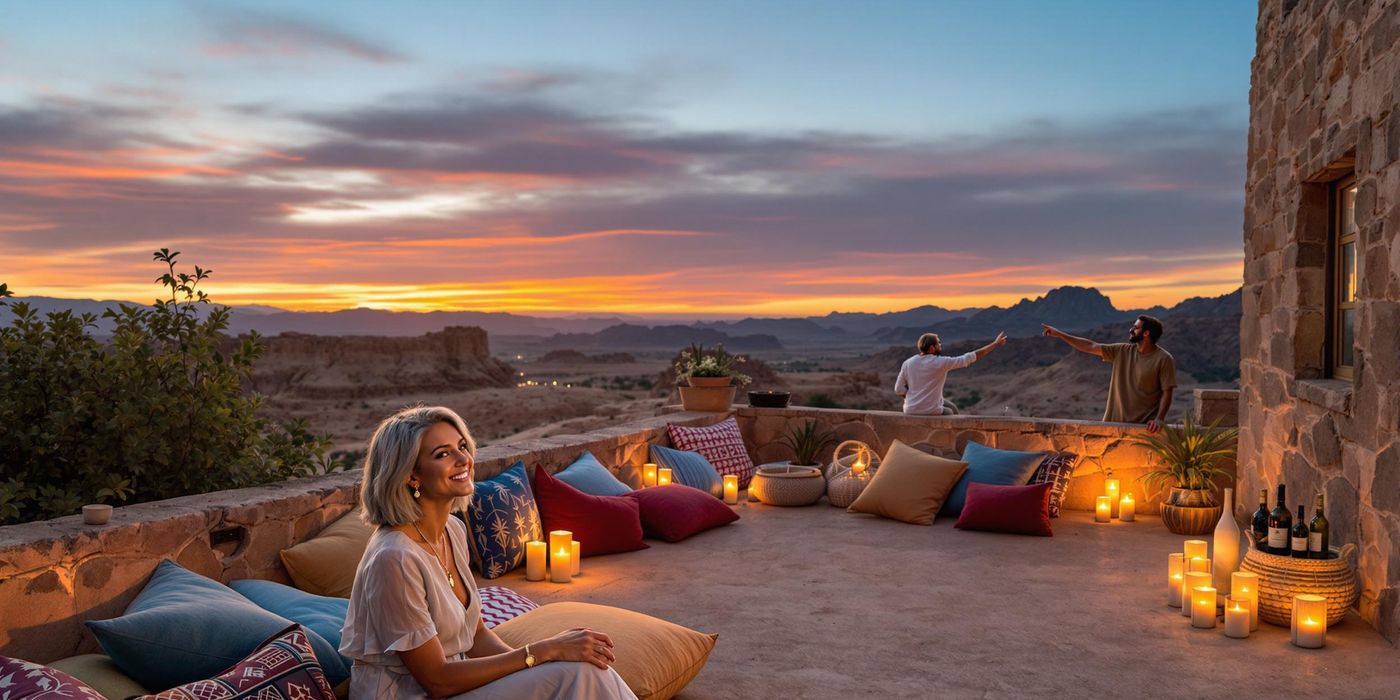
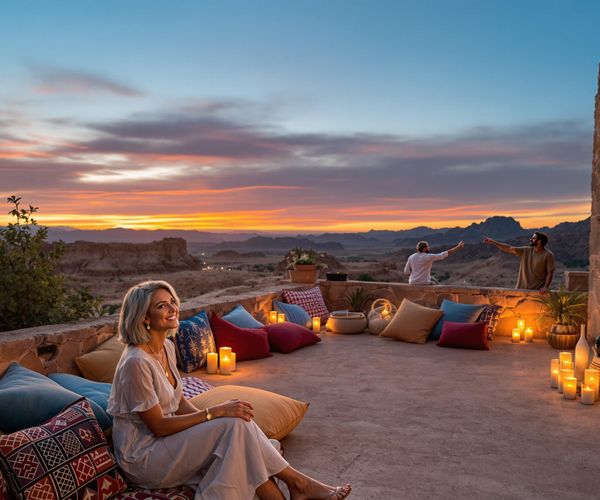
Discover the rich heritage and sustainable beauty of Feynan Ecolodge in Jordan, where cultural immersion meets eco-friendly living.
Meet this Featured Explorer

-
 Occupation:
Cultural Liaison for an International NGO
Occupation:
Cultural Liaison for an International NGO
-
 Country:
Netherlands
Country:
Netherlands
-
 Age:
55
Age:
55
Ahlan wa Sahlan! I'm Farida, a Saudi Arabian native living in the charming city of Delft, Netherlands. My journey has been one of cultural immersion, bridging traditions, and discovering the world's hidden gems. As a cultural liaison, I've developed a deep appreciation for the diverse tapestry of human experience, and through this blog, I share my adventures, insights, and reflections on travel, culture, and the beauty of our global community. Join me as I explore historical sites, savor local cuisines, and uncover the stories that connect us all.
- Cultural heritage preservation
- International relations
- Modern art and design
- Sustainable living
- Middle Eastern cuisine
Find Similar Travel Diaries
Explore locations from this diary
-
Byzantine Church Petra
Explore the Byzantine Church in Petra, a stunning archaeological site showcasing exquisite mosaics and rich historical significance amidst breathtaking landscapes.
-
Winged Lion Temple
Explore the Winged Lion Temple, a stunning archaeological site in Uum Sayhoun, where history and artistry come together in an unforgettable experience.
-
Feynan Ecolodge
Discover the enchanting Feynan Ecolodge in Jordan, where luxury meets sustainability in the heart of nature's beauty.
-
Feynan Ecolodge
Discover the enchanting Feynan Ecolodge in Jordan, where luxury meets sustainability in the heart of nature's beauty.
-
Feynan Ecolodge
Discover the enchanting Feynan Ecolodge in Jordan, where luxury meets sustainability in the heart of nature's beauty.
-
Jordan River Designs
Explore Jordan River Designs - a gift shop in Amman, offering unique handcrafted souvenirs and local artisan products that capture the essence of Jordanian culture.