Exploring the Ancient Wonders of Delphi
Day 4: Journey into the Mystical Heart of Greece: Delphi's Hidden Gems
Explore Delphi's sacred Corycian Cave and the serene Holy Monastery of Hosios Loukas. A day of mythical and spiritual discoveries awaits!

Whispers of the Past
Today, Lena and I ventured beyond the well-trodden paths of Delphi, seeking a deeper connection with the ancient world. Our quest led us to places where myths linger in the air and the echoes of Byzantine chants still resonate. It was a day of exploration, reflection, and a profound appreciation for the layers of history that this region holds.
Our day began, as usual, with a delightful breakfast at the Amalia Hotel Delphi. The fresh pastries and strong Greek coffee set the perfect tone for what promised to be an adventurous day. Fuelled and ready, we set off to explore the Corycian Cave and the Holy Monastery of Hosios Loukas.
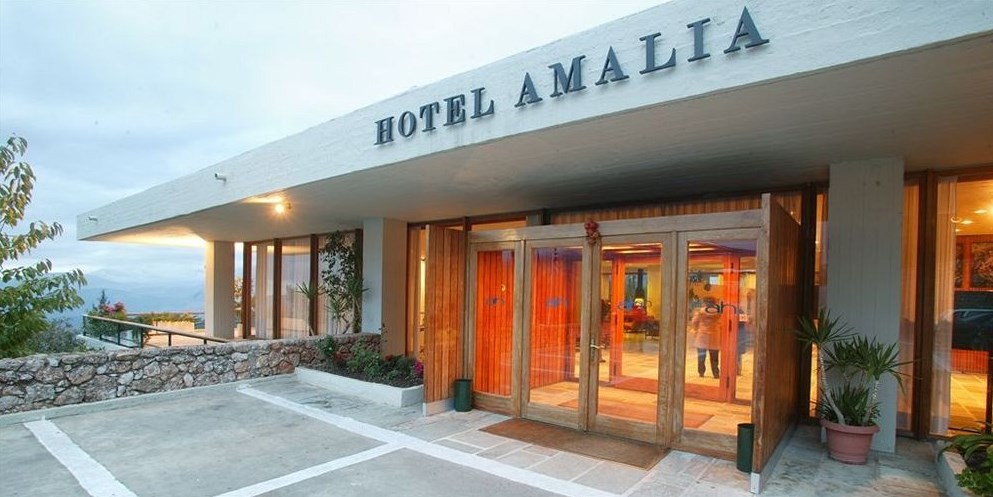
Discover the charm of Amalia Hotel Delphi, a serene haven near ancient ruins with stunning views and modern comforts for your perfect getaway.
First on our itinerary was the Corycian Cave. The drive there was an experience in itself, with winding roads offering panoramic views of the Greek countryside. As we ascended Mount Parnassus, the landscape transformed, becoming more rugged and wild. The air was crisp and carried the scent of pine and wildflowers. I must admit, I was a bit nervous about the hike, especially since I'd forgotten my hat, but Lena assured me it would be worth it.
The Corycian Cave, also known as Sarantavli, is located on the southern slopes of Mount Parnassus, within Parnassus National Park. The hike to the cave was moderately challenging, but the stunning vistas kept our spirits high. The path was rocky and uneven, so I was glad we had worn our hiking shoes. As we climbed, I couldn't help but think about the ancient pilgrims who had walked this same path centuries ago, seeking guidance and solace.
Reaching the cave entrance felt like stepping into another world. The Corycian Cave has been a sacred space since the Neolithic era, named after the Corycian nymphs, mythological nature spirits. Imagine, for millennia, this cave has been a place of refuge and worship. According to the legend, the cave was utilized since the Neolithic era both as a place of worship and as a shelter. Locals used it through the centuries to hide away from occupying forces, be it Persians, Turks, or Germans. It also served as a sanctuary of the god Pan and the Corycian Nymphs.
Inside, the air was cool and damp, a welcome contrast to the warm sun outside. The cave is about 60 meters long and up to 25 meters wide. The interior was dimly lit, with only a few shafts of sunlight penetrating through openings in the rock. We used our flashlights to explore the depths of the cave, marveling at the stalactites and stalagmites that adorned the ceiling and floor. The rock walls revealed fascinating figures, such as “the witch”, “the rabbit”, “the thinker”.
To stand in a place where ancient rituals were performed, where people sought refuge from war, and where the echoes of the past still resonate, is a humbling experience.
I tried to imagine what it must have been like to be here during the Greek-Persian Wars, when the inhabitants of ancient Delphi used the Corycian Cave as a place to hide from Persian invaders. Or during the Greek War of Independence, when locals sought shelter from the Turks. The cave has been a silent witness to countless historical events.
After spending a couple of hours exploring the Corycian Cave, we made our way back down the mountain. We decided to stop for a quick snack at a small taverna we had spotted on the way up. We enjoyed some local cheese and olives, savoring the simple flavors of the region. I was particularly happy to find some shade, as I was starting to feel the sun on my face. I really should have remembered to pack a hat!
Our next destination was the Holy Monastery of Hosios Loukas. The drive from Delphi to Distomo, where the monastery is located, took us through rolling hills and picturesque villages. The landscape was dotted with olive groves and vineyards, creating a scene of timeless beauty. As we approached the monastery, the imposing structure stood out against the backdrop of Mount Helicon.
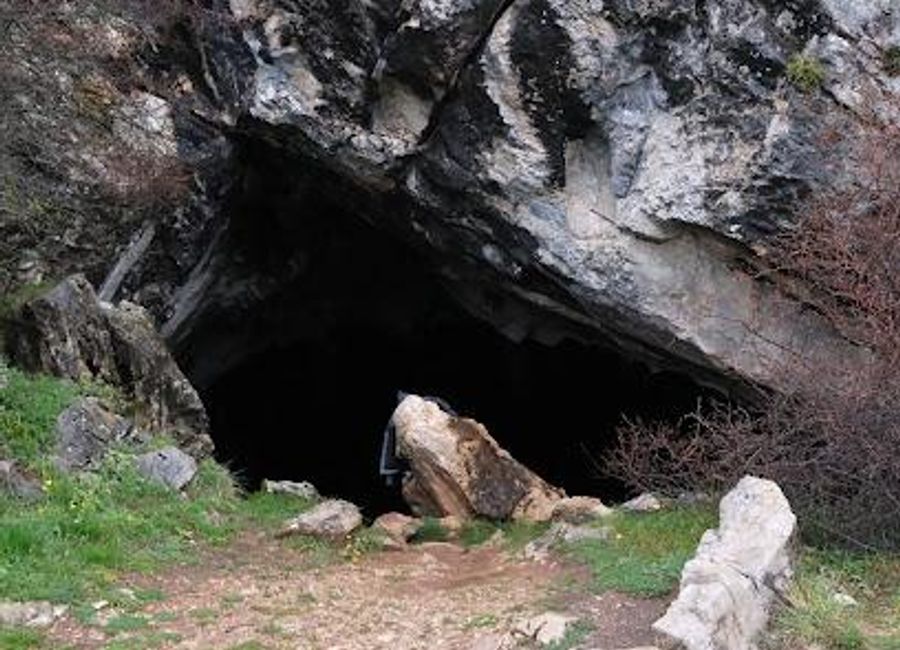
Discover the enchanting Corycian Cave in Delphi, a mythical site with stunning geological formations and rich history of ancient Greece.
The Monastery of Hosios Loukas, a UNESCO World Heritage site, is a historic walled monastery situated near the town of Distomo, in Boeotia, Greece. Founded in the mid-10th century by the hermit Loucas Stereiotis, the monastery is one of the most important monuments of Middle Byzantine architecture and art. As we walked through the entrance, we were immediately struck by the tranquility and serenity of the place. The monastery complex consists of two main churches: the Church of the Theotokos and the Katholikon.
The Church of the Theotokos, the older of the two, is a beautiful example of a cross-in-square church. The walls are built in cloisonné masonry and are decorated with rich brick patterns. Stepping inside, we were greeted by the soft glow of the natural light filtering through the windows. The interior was adorned with frescoes and mosaics, depicting scenes from the life of Christ and the Virgin Mary.
The Katholikon, the main church of the monastery, is an impressive structure with a large dome resting on eight massive pillars. It is the earliest extant domed-octagon church. The interior is lavishly decorated with colored marble panels and gold mosaics, creating a luminous and awe-inspiring space. The mosaics represent the more severe and abstracted style of the Middle Byzantine decorative art and date from the first half of the 11th century. The Pantocrator and Archangels in the dome belong to a later phase.
Beneath the Katholikon is a burial crypt, accessible by a stairwell on the southern side. The crypt is dedicated to Aghia Varvara (St. Barbara) and contains three tombs: the one in the north wall is the tomb of Hossios Loucas. The roof and much of the walls are covered with wall paintings, dated to the first half of the 11th century. I found myself captivated by the intricate details of the mosaics and frescoes. Each image seemed to tell a story, drawing us deeper into the spiritual atmosphere of the monastery.
We spent several hours exploring the monastery complex, wandering through the courtyards and soaking in the peaceful ambiance. I was particularly moved by the story of Hosios Loukas himself, a local hermit who lived in the area from 945 A.D. until his death in 953 A.D. His legacy lives on through this magnificent monastery, a testament to his faith and devotion.
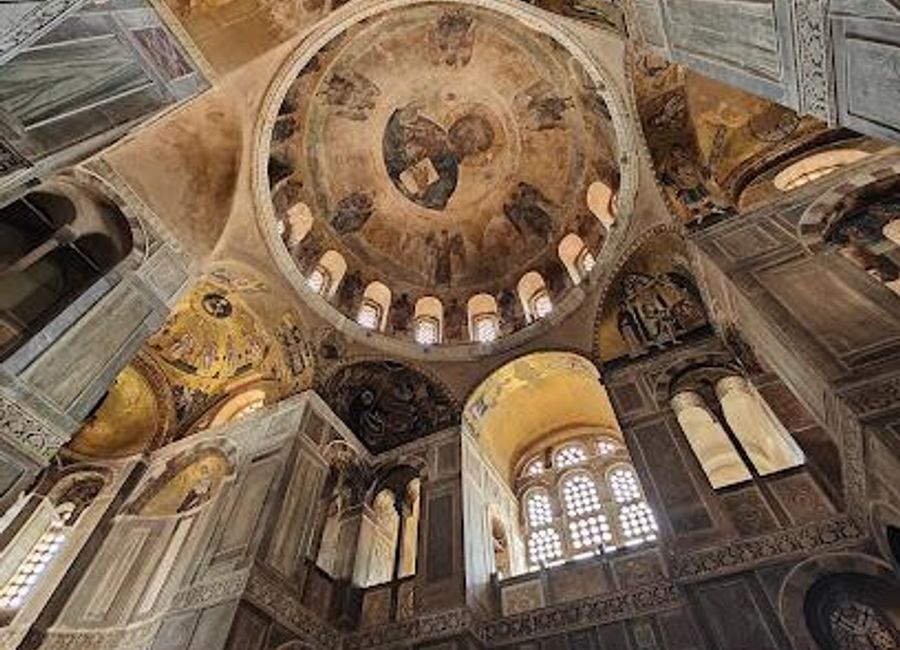
Explore the Holy Monastery of Hosios Loukas, a UNESCO heritage site, where Byzantine architecture and spiritual serenity merge in the heart of Greece.
As the day drew to a close, we made our way back to Delphi, feeling enriched by our experiences. Before heading back to the hotel, we decided to have dinner at Taverna DION. We had heard great things about their vegan menu, and Lena was eager to try it. The restaurant was cozy and inviting, with a warm and friendly atmosphere. We were seated immediately and presented with the menu.
Tavern DION is known for its traditional Greek dishes and vegan options. For starters, we were served bread with an eggplant dip, followed by a delicious bean soup. The main course consisted of stuffed tomatoes, and for dessert, we enjoyed some baklava. The food was delicious, and the portions were generous. I particularly enjoyed the stuffed tomatoes, which were bursting with flavor.
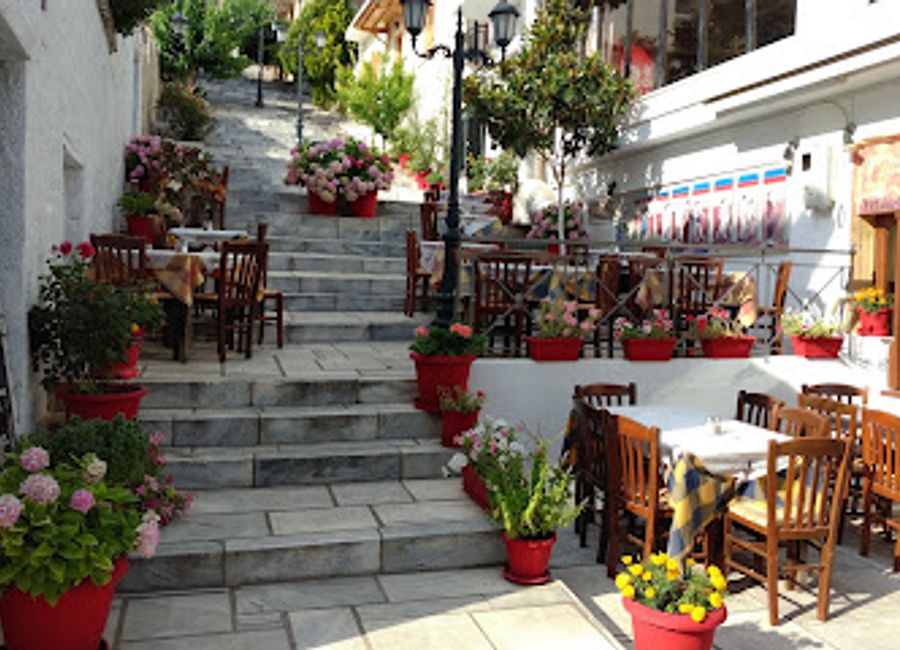
Experience authentic Greek cuisine at Tavern DION in Delphi - where tradition meets breathtaking views.
After dinner, we decided to end the evening with a drink at Melopoleio, a local bar known for its coffee and cocktails. The bar was lively and bustling, with a mix of locals and tourists. We ordered a couple of cocktails and sat outside, enjoying the cool evening air. It was the perfect way to unwind after a long day of exploring.
Reflecting on the day, I realized how much Delphi has to offer beyond its famous archaeological site. The Corycian Cave and the Holy Monastery of Hosios Loukas are hidden gems that provide a glimpse into the rich history and culture of this region. These are places where you can connect with the past, reflect on the present, and find inspiration for the future.
Tomorrow, we plan to visit The Athenian Treasury and the European Cultural Centre of Delphi. I am particularly excited about seeing The Athenian Treasury, as it is one of the most iconic structures in the Delphi archaeological site. And of course, Lena is already planning our lunch at To Kentrikon and dinner at L'Aurige Restaurant. I am sure it will be another day filled with adventure and discovery.
As I sit here writing this, I am filled with a sense of gratitude for the opportunity to explore this beautiful country with my amazing wife. Every day brings new adventures, new discoveries, and new memories that we will cherish for a lifetime. Even though I forgot my hat, and even though my feet are a little sore, I wouldn't trade this experience for anything in the world. I am so glad we decided to come to Delphi, and I can't wait to see what tomorrow brings.



Join us as we explore the historical treasures of Delphi, Greece, combining culture and relaxation in a 9-day adventure.
Meet this Featured Explorer

-
 Occupation:
Freelance Software Developer
Occupation:
Freelance Software Developer
-
 Country:
Germany
Country:
Germany
-
 Age:
35
Age:
35
Ah, Evendo – welcome to my corner of the internet! I'm Giorgos, a software developer by trade, but a traveler and photographer at heart. Born and raised in Cyprus, I've always been drawn to history and culture. Now based in Berlin with my amazing wife, Lena, I spend my free time exploring the world, one click and snapshot at a time. This blog is where I share my adventures, offering tips, stories, and photos to inspire your own journeys. From ancient ruins to hidden gems, I'm all about authentic experiences and off-the-beaten-path destinations. Join me as I uncover the world's wonders!
- History
- Archaeology
- Technology
- Cypriot Culture
- Mediterranean Cuisine
Find Similar Travel Diaries
Explore locations from this diary
-
Amalia Hotel Delphi
Discover the charm of Amalia Hotel Delphi, a serene haven near ancient ruins with stunning views and modern comforts for your perfect getaway.
-
Corycian Cave
Discover the enchanting Corycian Cave in Delphi, a mythical site with stunning geological formations and rich history of ancient Greece.
-
Holy Monastery of Hosios Loukas
Explore the Holy Monastery of Hosios Loukas, a UNESCO heritage site, where Byzantine architecture and spiritual serenity merge in the heart of Greece.
-
Tavern DION
Experience authentic Greek cuisine at Tavern DION in Delphi - where tradition meets breathtaking views.
-
Delphikón
Experience authentic Greek flavors at Delphikón in Delphi – where tradition meets modern dining in a picturesque setting.
-
Melopoleio
Experience the best of Delphi at Melopoleio, where delightful coffee meets exquisite cocktails in a stunning setting.