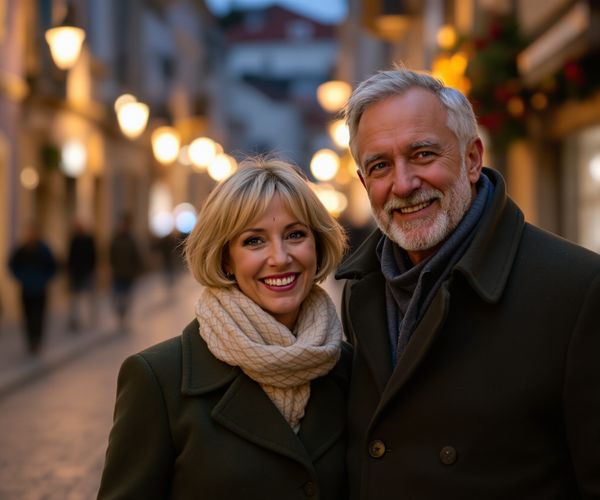
Family Adventure in Historic Évora
Day 2: Echoes of Eternity: A Day Among Bones and Ancient Stones in Évora
Delve into Évora's captivating past exploring the Chapel of Bones, São Francisco Church, and the historic Aqueduto. A truly unforgettable day!

Whispers of History
Today in Évora was a journey through time, a profound exploration of life and death, and a testament to the enduring spirit of this ancient city. Lena, Sophia and I started our day with a sense of anticipation, knowing we were about to encounter places that would challenge our perspectives and deepen our appreciation for history. It’s days like these that remind me why I love travel so much – the opportunity to connect with the past and reflect on the present.
Our first stop was a place I’d been both intrigued and slightly apprehensive about: the Chapel of Bones.

Explore the haunting beauty of the Chapel of Bones in Évora, where history and the macabre intertwine in a unique cultural experience.
The Chapel of Bones: A Memento Mori
The Chapel of Bones (Capela dos Ossos) is part of the larger Royal Church of St. Francis. It was constructed in the 16th century by Franciscan monks. The chapel's story is a familiar one. By the 16th century, there were as many as 43 cemeteries in and around Évora that were taking up valuable land. Not wanting to condemn the souls of the people buried there, the monks decided to build the Chapel and relocate the bones. Rather than interring the bones behind closed doors, the monks put them on display to encourage meditation on the transience of material things in the undeniable presence of death.
Walking into the Chapel of Bones was an experience that's hard to put into words. The walls and pillars are entirely covered in human skulls and bones, carefully arranged in patterns. It's estimated that the remains of over 5,000 people are within those walls. The initial impact is, admittedly, a bit shocking. Sophia was quiet, her eyes wide with a mix of curiosity and unease. Lena and I exchanged a look, both of us feeling the weight of the place.
The chapel was built in the 17th century by Franciscan monks who sought to convey the ephemeral nature of human existence. In the 16th century, there was a problem of too many monastic cemeteries occupying a lot of space. The monks extracted the bones from the ground and used them to build and decorate the chapel to solve this issue.
Above the entrance, an inscription reads: "Nós ossos que aqui estamos, pelos vossos esperamos" – "We bones that are here, for yours we wait." It’s a stark reminder of our mortality, a theme that permeates every corner of the chapel. Despite the macabre nature of the display, there was a sense of peace, a quiet contemplation that settled over me.
Where are you going in such a hurry traveler? Pause... do not advance your travel; You have no greater concern Than this one: that on which you focus your sight.
As we explored the chapel, I tried to explain to Sophia the purpose behind it – that it wasn't meant to be scary, but rather a place for reflection. She seemed to grasp the concept, pointing out the patterns in the bones and asking questions about the people they once belonged to. It was a poignant moment, teaching her about life and death in such a unique setting. I remember similar conversations with my own parents when visiting historical sites as a child, and it felt like a passing of the torch, a shared understanding of the human experience across generations.
There were also two desiccated corpses hanging by chains from the wall next to a cross. One is that of a child. In a small white coffin by the altar, are the bones of the three Franciscan monks who founded the church in the 13th century.
Igreja e Mosteiro de São Francisco: Gothic Grandeur
Leaving the Chapel of Bones, we stepped into the Igreja de São Francisco (Church of St. Francis), which is right next to the Chapel.

Explore the stunning Igreja e Mosteiro de São Francisco in Évora, a UNESCO World Heritage site rich in history, art, and architectural beauty.
The contrast was striking. Where the chapel was small and intimate, the church was vast and imposing, a masterpiece of Gothic and Manueline architecture.
The Igreja de São Francisco was built between 1475 and the 1550s, replacing an earlier Romanesque church. The church is known for its narthex with arcades in front of the church. The arcade is formed by seven arches with different forms (semicircular, pointed or horseshoe arches), a blend of Gothic and Moorish elements. The Manueline entrance to the church has a pelican, emblem of king João II and an armillary, emblem of king Manuel I.
Inside, the church was majestic proportions with a single, groin-vaulted nave. The white mortar on the walls and the columns accentuated the wide impression. The spacious vault of the crossing rests on ogival arches. The father of Portuguese drama Gil Vicente is buried at the left side of the entrance. The chancel displays Renaissance features. The choir stalls were made in different art styles: the right one in Renaissance, the left in Baroque style. The altars in the transept are decorated with gilded sculpturework framing 16th century panels, probably painted by Flemish artists. The sides of the nave contain twelve open chapels, built between the buttresses of the wall.
We wandered through the church, admiring the intricate details of the architecture and the beautiful stained glass windows. Sophia was fascinated by the high ceilings and the sense of space, running her hands along the cool stone walls. Lena, with her architect's eye, pointed out the unique blend of Gothic and Moorish elements in the design, explaining how the different styles reflected the history of Portugal and its interactions with other cultures.
It’s amazing to consider that the church is closely linked to the historical events that marked the period of maritime expansion in Portugal, evident in the symbols found in its monumental nave, such as the cross of the Order of Christ and the emblems of the founding kings, King João II and King Manuel I. According to tradition, the Church of São Francisco is the burial place of the renowned Portuguese playwright Gil Vicente, who was laid to rest there in 1536. Designated as a National Monument since 1910.
The Igreja de São Francisco provided a sense of peace and reverence, a contrast to the somber atmosphere of the Chapel of Bones. It was a reminder that even in the face of mortality, there is beauty and grandeur in the world, a testament to the human spirit's ability to create and inspire.
Aqueduto de Évora: A Testament to Engineering
After a quick and delicious breakfast at 9 da Praça, we continued our exploration of Évora with a visit to the Aqueduto de Água de Prata (Aqueduct of Silver Water).

Discover the Aqueduto de Évora, a stunning 16th-century aqueduct that showcases the architectural brilliance of Portugal's rich history.
This impressive structure, built in the 16th century, stretches for 18 kilometers, bringing fresh water to the city. It’s a remarkable feat of engineering, a testament to the ingenuity and resourcefulness of the people of Évora.
The Aqueduto was built between 1531 and 1537, and was designed by Francisco de Arruda. Évora faced severe water scarcity because of its geographical location atop a hill with no natural springs or rivers nearby, so the aqueduct was constructed to supply fresh water to Évora. The name 'Água de Prata' translates as 'Water of Silver', which comes from moonlight reflecting on water flowing through the arches gave it a silvery appearance.
As we walked along the aqueduct, I was struck by its scale and the way it seamlessly integrated into the urban landscape. In some sections, houses and shops were built directly into the arches, creating a unique and charming blend of architecture and everyday life. Sophia was fascinated by the idea that people lived and worked within the structure of the aqueduct, imagining what it must have been like to hear the water flowing overhead each day.
It’s amazing that the aqueduct is not just an important historical monument but also a vital part of Évora's water supply system even today. Over time, several restoration projects have been undertaken to preserve this architectural masterpiece for future generations to appreciate.
Walking along the Aqueduto, we reflected on the ingenuity of its design and construction. It was built in the 16th century, under the reign of King João III, and designed by the royal architect Francisco de Arruda. The aqueduct stretches over 18 kilometers from its source at Graça do Divor reservoir into Évora city center, and features Gothic-Manueline architectural style characterized by ornate detailing and complex design elements inspired by maritime themes. This aqueduct was a vital part of Évora, a city that had suffered in previous decades with three epidemics of plague with tragic repercussions (1495, 1509, 1523).
The Aqueduto de Évora was a reminder that even the most practical structures can be beautiful and inspiring, a testament to the human capacity for innovation and creativity.
A Culinary Journey Through Évora
No exploration of Évora would be complete without indulging in its culinary delights. For lunch, we headed to Origens Restaurante, known for its contemporary Alentejo cuisine.
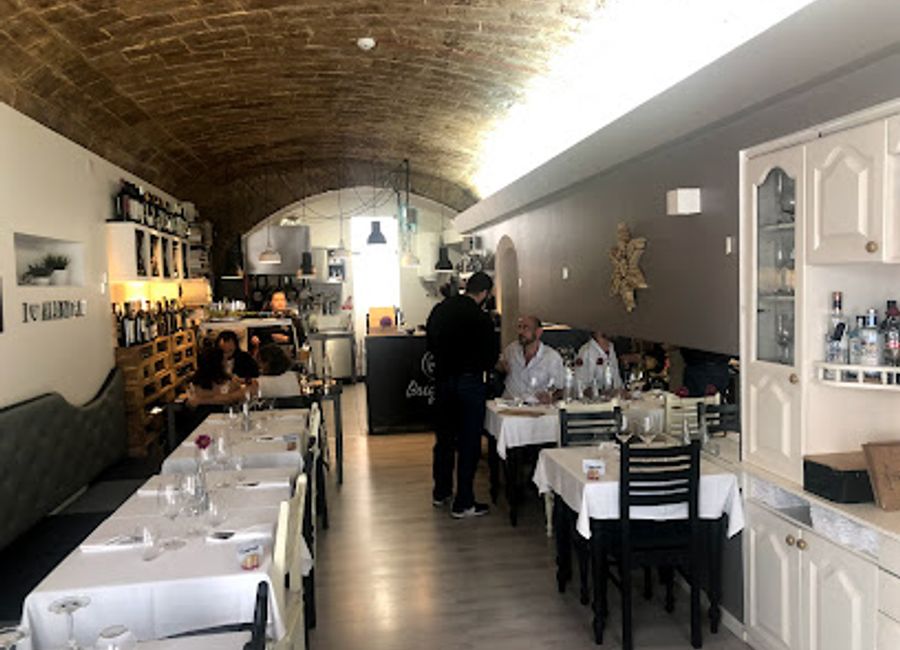
Discover authentic Portuguese cuisine at Origens Restaurante in Évora – where tradition meets innovation in every dish.
We savored the flavors of the region, enjoying dishes made with fresh, local ingredients. The Brás à farinheira (a traditional scrambled dish featuring a local sausage) was a big hit with all of us. The restaurant itself was discreetly located on a side street, but was very appealing, being right in the historic centre.
In the evening, we had dinner at Restaurante O Moinho do Cu Torto, a charming spot with a cozy atmosphere.

Savor authentic Portuguese cuisine at Restaurante O Moinho do Cu Torto in Évora—where tradition meets flavor in every bite.
We enjoyed traditional Portuguese dishes, accompanied by local wine. The meal was a perfect end to a day of exploration, a chance to relax and reflect on everything we had seen and experienced.
Nightcap at Bar Culpa Tua
To cap off the evening, Lena and I decided to check out Bar Culpa Tua, a local bar known for its gin and wine selection.

Experience the vibrant nightlife of Évora at Bar Culpa Tua, where local charm meets eclectic vibes in the heart of the city.
Sophia was already asleep back at the hotel. It was a great spot with good drinks and a nice ambiance. The courteous staff made the experience even more enjoyable. It was the perfect way to unwind and soak in the atmosphere of Évora.
Looking Ahead
As I write this, I’m already looking forward to tomorrow. Our itinerary includes a visit to the Museu de Évora - Núcleo de Arte Sacra da Igreja das Mercês, Palácio Barahona, and Ruínas Fingidas. I’m excited to continue our exploration of this fascinating city, to delve deeper into its history and culture.
Évora has a way of getting under your skin, of drawing you in with its stories and its beauty. It’s a place that challenges you to think, to reflect, and to appreciate the richness of human experience. I’m grateful for the opportunity to share this journey with my family, to create memories that will last a lifetime. I think I'll bring my travel adapter tomorrow, as I forgot it today!


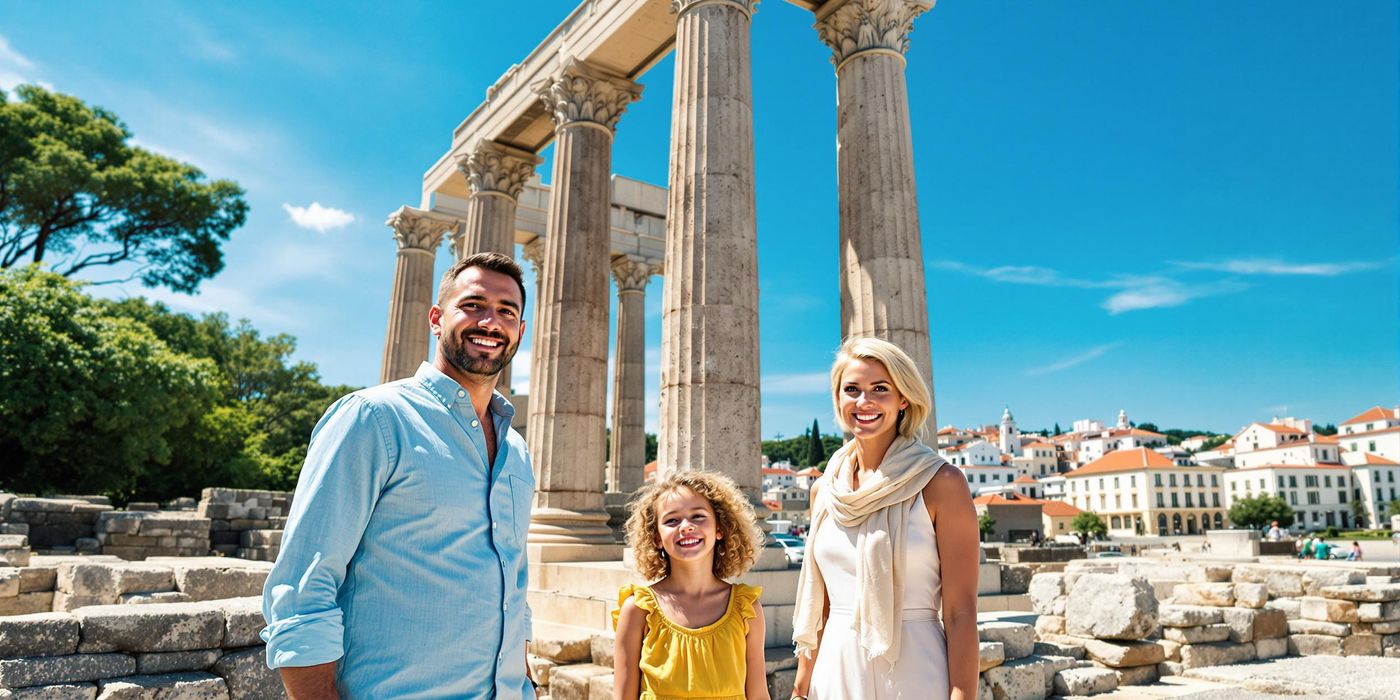
Explore the rich history and culture of Évora, Portugal, on a family adventure filled with ancient ruins, medieval charm, and local cuisine.
Meet this Featured Explorer

-
 Occupation:
English Language Content Editor at a Travel Tech Startup
Occupation:
English Language Content Editor at a Travel Tech Startup
-
 Country:
Germany
Country:
Germany
-
 Age:
38
Age:
38
Hey everyone, I'm James, a history buff, literature enthusiast, and content editor originally from Charlottesville, USA, now living in vibrant Berlin with my wife Lena and our daughter Sophia. My blog, Evendo, is where I share our family's travel adventures, focusing on authentic cultural experiences, historical insights, and sustainable travel tips. Join me as we explore Europe and beyond, seeking out destinations that offer a blend of education, adventure, and delicious local cuisine. I aim to provide practical advice and inspire you to create meaningful travel experiences of your own.
- History
- Literature
- Photography
- Sustainable Living
- European Culture
Find Similar Travel Diaries
Explore locations from this diary
-
Moov Hotel Évora
Discover the charm of Évora while enjoying budget-friendly accommodation at Moov Hotel Évora, perfect for travelers seeking comfort and convenience.
-
Chapel of Bones (Évora)
Explore the haunting beauty of the Chapel of Bones in Évora, where history and the macabre intertwine in a unique cultural experience.
-
Igreja e Mosteiro de São Francisco
Explore the stunning Igreja e Mosteiro de São Francisco in Évora, a UNESCO World Heritage site rich in history, art, and architectural beauty.
-
Aqueduto de Évora
Discover the Aqueduto de Évora, a stunning 16th-century aqueduct that showcases the architectural brilliance of Portugal's rich history.
-
9 da Praça
Experience authentic Mediterranean cuisine at 9 da Praça in Évora - where tradition meets taste in every dish.
-
Origens Restaurante
Discover authentic Portuguese cuisine at Origens Restaurante in Évora – where tradition meets innovation in every dish.
-
Restaurante O Moinho do Cu Torto
Savor authentic Portuguese cuisine at Restaurante O Moinho do Cu Torto in Évora—where tradition meets flavor in every bite.
-
Bar Culpa Tua
Experience the vibrant nightlife of Évora at Bar Culpa Tua, where local charm meets eclectic vibes in the heart of the city.