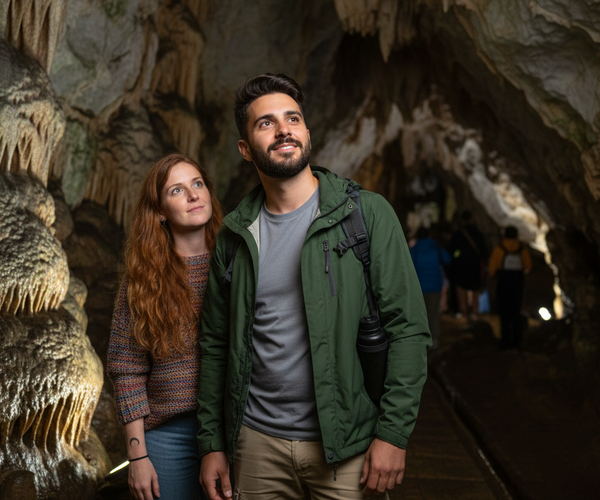
A Solo Pilgrimage: Exploring the Sacred Trails of Kumano Kodo
Day 1: Stepping Back in Time: My First Day on the Kumano Kodo
Join me as I begin my solo pilgrimage on the Kumano Kodo, exploring ancient trails, local flavors, and the heart of Japan's spiritual heritage.

Day 1: Arrival and Ancient Echoes
The air in Kumano Kodo is crisp and clean, carrying the scent of cedar and damp earth. Today marked the beginning of my solo journey, a pilgrimage I've been dreaming about for years. As a librarian, I'm used to living vicariously through the stories of others, but now, I'm ready to write my own chapter amidst these ancient trails.
My journey from Helsinki was long, but the anticipation kept me energized. Flying into Osaka and then taking the train to the Kumano Kodo area was seamless. I found myself gazing out the window, watching the landscape transform from urban sprawl to rolling hills and dense forests. It was a visual reminder of the transition I was making, from the familiar to the unknown.
The weather in October is proving to be quite agreeable, with comfortable temperatures perfect for hiking. I've packed layers, remembering the essential advice from seasoned hikers to prepare for anything. While I managed to remember my hiking boots and travel journal, I realized with a sinking feeling that I'd forgotten my sunscreen. Note to self: a quick stop at a local shop is in order! I also wish I had brushed up on my Japanese phrases a bit more before leaving Helsinki.
My first stop was the Kumano Kodo Information Center. It was invaluable. The staff were incredibly helpful, providing maps and answering my questions about the trails. The center offered a wealth of information about the history and significance of the Kumano Kodo, enriching my understanding of this UNESCO World Heritage site. I learned more about the Kumano Sanzan, the three grand shrines that are the heart of this pilgrimage: Kumano Hongu Taisha, Kumano Nachi Taisha, and Kumano Hayatama Taisha. Each shrine holds a unique place in the spiritual landscape of Japan, and I'm eager to visit them all.

Explore the ancient Kumano Kodo pilgrimage trails: history, maps, and expert guidance at the Kumano Kodo Information Center in Tanabe, Wakayama.
After gathering my bearings, I decided to embrace the local culinary scene. For breakfast, I stopped at KUMANOYASAI CAFE. The cafe's name translates to 'Kumano Vegetable,' and it's clear that the owner, Shino, has a passion for local produce. I enjoyed a delicious cheese bagel and a cup of coffee, soaking in the cozy atmosphere. It was a perfect way to start my day.

Discover tranquility at Kumonoyasai Cafe - where authentic flavors meet stunning nature along the Kumano Kodo pilgrimage trail.
The Kumano Kodo is more than just a trail; it's a journey through time, nature, and the depths of one's own spirit.
Lunch was at Kumano Kodo Omotenashi-Kan, a charming spot housed in a 130-year-old building. I savored local specialties and takeaway snacks, surrounded by the history of the old road of Kumano City. The building itself is a tangible cultural property, adding to the unique experience. It was fascinating to imagine the countless travelers who had passed through these doors over the centuries.
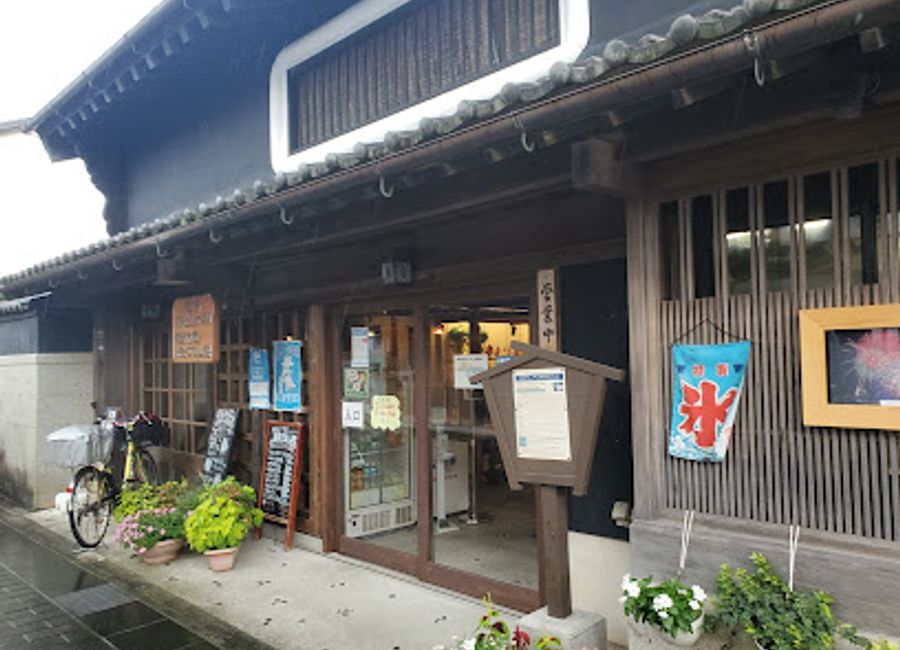
Discover Kumano Kodo Omotenashi-Kan: A charming cafe offering delicious coffee and local cuisine along Japan's historic pilgrimage route.
In the afternoon, I ventured to Road Station Oku-kumanokodo Hongu, a local shop offering a variety of regional products. I picked up some trail snacks and a few souvenirs, immersing myself in the local culture. It's a great place to find unique items and support the local economy.

Discover local flavors and beautiful scenery at Road Station Oku-kumanokodo Hongu, the ideal rest stop in Wakayama Prefecture.
As evening approached, I made my way to Watarase Onsen cafe for dinner. The onsen is known for its large outdoor hot spring baths, though I opted for the cafe this time. I enjoyed a comforting meal, reflecting on the day's experiences and anticipating the adventures to come. Watarase Onsen is a popular spot, and I could see why, with its blend of relaxation and natural beauty.
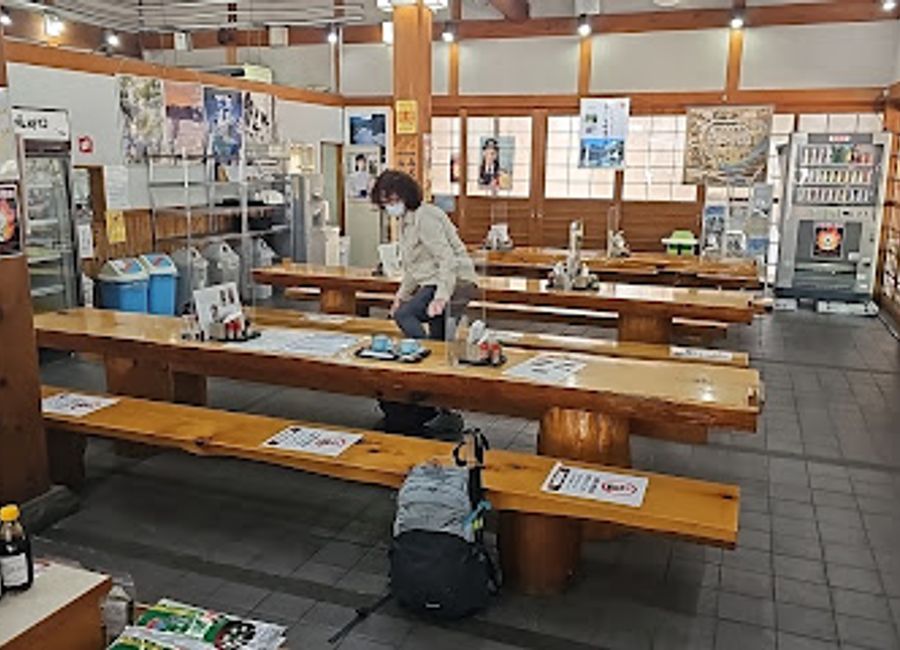
Discover serenity and flavor at Watarase Onsen Cafe in Tanabe – where traditional Japanese cuisine meets soothing hot springs.
The Kumano Kodo is a network of pilgrimage routes that have been in use for over 1,000 years. These trails connect the three grand shrines of Kumano, and have been walked by emperors, monks, and peasants alike. The Nakahechi route, which I'm embarking on, is one of the most popular. It's known as the Imperial Route, and it offers a diverse landscape of forests, mountains, and villages. The other routes include the Kohechi, Ohechi, Iseji, and Omine Okugakemichi, each with its own unique character and challenges.
One of the most remarkable aspects of the Kumano Kodo is its spiritual significance. The mountains and forests have long been considered sacred, and the pilgrimage is seen as a way to purify the body and mind. Shinto and Buddhist traditions are intertwined here, creating a unique religious landscape. Along the trails, you can find small shrines, statues, and other reminders of the spiritual heritage of the area.
As I settle in for the night, I can't help but feel a sense of excitement for what tomorrow holds. I'll be visiting Kumano Hongu Taisha, one of the three grand shrines, and Oyunohara, the original location of the shrine. I'm also looking forward to breakfast at Yunomine Onsen Shop/Dining Hall and lunch at Fushiogami Teahouse. And perhaps a bit of shopping at Triple Kumano Kodo JAPAN. It's a full itinerary, but I'm eager to experience all that the Kumano Kodo has to offer.
The Kumano Kodo is more than just a hike; it's an immersion into the heart of Japan, a journey through history, spirituality, and natural beauty. I'm grateful for the opportunity to walk these ancient trails, and I'm excited to share my experiences with you. Stay tuned for more stories from the Kumano Kodo!
I'm also reflecting on the practical considerations of this journey. The trails are well-maintained and clearly marked, but they can be challenging. It's important to be prepared for elevation changes and varying weather conditions. The best time to hike the Kumano Kodo is during the spring (March to June) or autumn (September to November), when the temperatures are mild and the scenery is beautiful. However, rain is always a possibility, so it's essential to bring rain gear.
The accommodations along the Kumano Kodo range from traditional inns to family-run guesthouses. Many of these accommodations offer hot spring baths, which are a welcome treat after a long day of hiking. Public transportation is excellent, making it easy to get to trailheads and travel between different sections of the trail. It's also possible to shorten or skip sections of the trail by using public transport.
The local cuisine is another highlight of the Kumano Kodo. The region is known for its fresh vegetables, seafood, and mountain delicacies. Many of the restaurants offer traditional Japanese meals, such as kaiseki haute cuisine and hot spring rice porridge. It's a wonderful opportunity to immerse yourself in Japan's culinary traditions.
As I close my eyes tonight, I'm filled with a sense of peace and anticipation. The Kumano Kodo has already exceeded my expectations, and I know that the days ahead will be filled with even more wonder and discovery. I'm grateful for this opportunity to connect with nature, history, and my own inner self. And I'm excited to share it all with you.
Tomorrow, I'll set out to explore Kumano Hongu Taisha and Oyunohara, delving deeper into the spiritual heart of the Kumano Kodo. I'm eager to witness the beauty and serenity of these sacred sites, and to continue my journey of self-discovery amidst the ancient trails. The adventure continues!

Embark on a solo journey through Japan's ancient Kumano Kodo trails, uncovering the spiritual and natural wonders of this UNESCO World Heritage site.
Meet this Featured Explorer

-
 Occupation:
Librarian specializing in Arctic and Nordic literature
Occupation:
Librarian specializing in Arctic and Nordic literature
-
 Country:
Finland
Country:
Finland
-
 Age:
46
Age:
46
Hei! I'm Jennifer, an Alaskan-born librarian currently living in the enchanting city of Helsinki. My journey has taken me from the rugged wilderness of Alaska to the vibrant landscapes of Finland, and I'm passionate about sharing my travel experiences with you. As a librarian, I've always been drawn to stories – both those found in books and those waiting to be discovered in the world around us. Join me as I explore eco-conscious travel, delve into Nordic culture, and uncover the hidden gems that make our planet so extraordinary. With my family by my side, I seek authentic cultural experiences and outdoor adventures, and I hope to inspire you to do the same!
- Nordic mythology
- Sustainable living
- Folklore
- Hiking
- Photography
Find Similar Travel Diaries
Explore locations from this diary
-
Jokiin
Discover Koya's serene charm at Jokiin, a welcoming guest house perfect for exploring the city's historic landmarks and natural beauty.
-
Kumano Kodo Information Center
Explore the ancient Kumano Kodo pilgrimage trails: history, maps, and expert guidance at the Kumano Kodo Information Center in Tanabe, Wakayama.
-
KUMANOYASAI CAFE
Discover tranquility at Kumonoyasai Cafe - where authentic flavors meet stunning nature along the Kumano Kodo pilgrimage trail.
-
Kumano Kodo Omotenashi-Kan
Discover Kumano Kodo Omotenashi-Kan: A charming cafe offering delicious coffee and local cuisine along Japan's historic pilgrimage route.
-
Watarase onsen cafe
Discover serenity and flavor at Watarase Onsen Cafe in Tanabe – where traditional Japanese cuisine meets soothing hot springs.
-
Road Station Oku-kumanokodo Hongu
Discover local flavors and beautiful scenery at Road Station Oku-kumanokodo Hongu, the ideal rest stop in Wakayama Prefecture.