Cultural and Culinary Adventures in Marrakech with Friends
Day 3: Delving into Marrakech's Rich History: Tombs, Palaces, and the Mellah
Explore the Saadian Tombs, El Badi Palace, and Mellah in Marrakech. Discover history, architecture, and cultural heritage in Morocco.
Echoes of Dynasties Past
Today was a day of historical immersion, tracing the legacies of Marrakech's past rulers and communities. I started with the solemn beauty of the Saadian Tombs, wandered through the evocative ruins of El Badi Palace, and explored the vibrant history of the Mellah, the old Jewish quarter. Each site offered a unique perspective on the city's rich tapestry of cultures and dynasties. It’s days like these that remind me why I love to travel – to connect with the stories etched into the very stones beneath my feet.
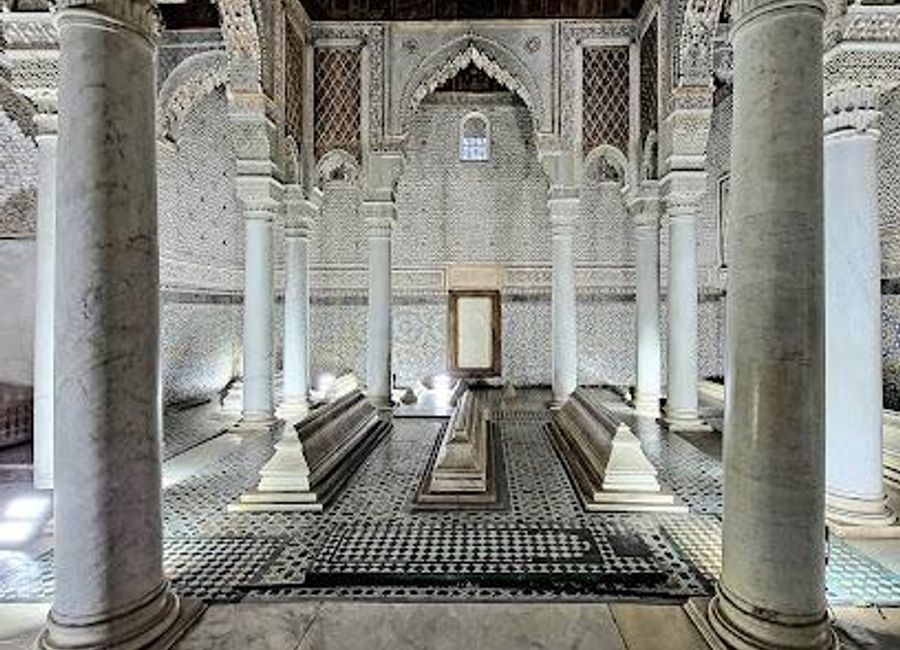
Discover the Saadian Tombs in Marrakesh, an exquisite historical landmark revealing the grandeur of Morocco's royal past through stunning architecture and rich history.
Our day began, as usual, with a delightful breakfast at Le Bistro Arabe - Moroccan Jazz Restaurant in Marrakech. The restaurant was conveniently located, and the Moroccan Jazz was a great way to start the day. Anjali particularly enjoyed the ambiance.
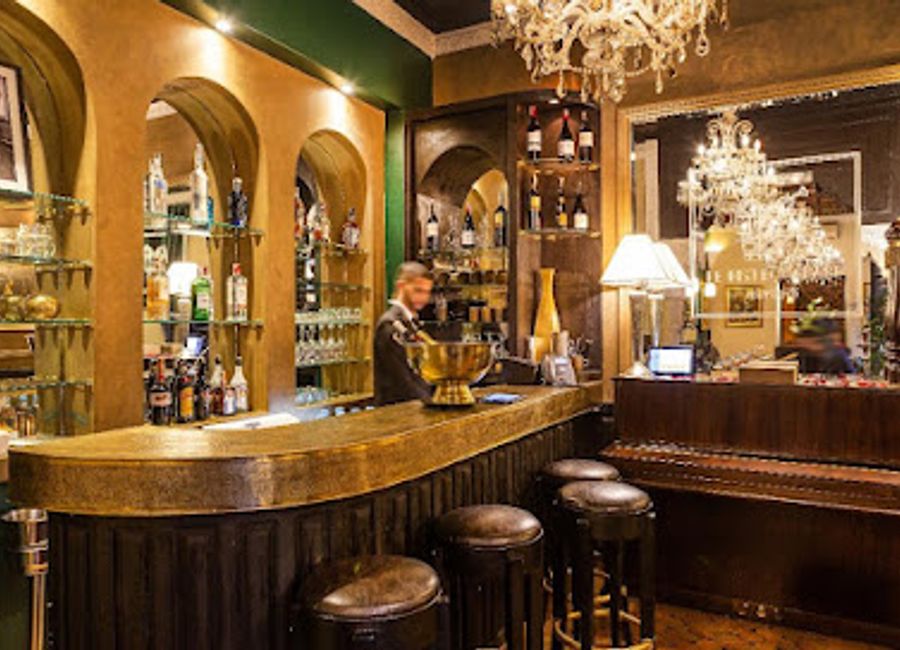
Discover Le Bistro Arabe: A fine dining haven in Marrakech offering Moroccan cuisine paired with enchanting live jazz performances.
Saadian Tombs: A Hidden Necropolis
After breakfast, our first stop was the Saadian Tombs. It's remarkable how this place remained hidden for centuries, only to be rediscovered in 1917. As I descended into the mausoleum, I was immediately struck by the intricate details of the architecture. The Saadian dynasty, particularly under Sultan Ahmad al-Mansur, clearly wanted to leave a lasting impression.
The Hall of Twelve Columns was particularly breathtaking. The delicate stucco work, the vibrant zellij tiles, and the serene courtyard created a harmonious blend of artistry and spirituality. It was fascinating to learn that this necropolis is the final resting place for about sixty Saadians, including Sultan Ahmad El-Mansur himself. The craftsmanship, with its Carrara marble from Italy and cedar wood, spoke volumes about the dynasty's wealth and power. I couldn't help but marvel at how such a significant historical site could remain hidden for so long; it felt like stepping into a secret world.
The past is never dead. It's not even past.
El Badi Palace: The Incomparable Ruins
Next on our itinerary was El Badi Palace, once known as the Incomparable Palace. Commissioned by Sultan Ahmad al-Mansur in 1578 to celebrate his victory over the Portuguese at the Battle of the Three Kings, the palace was designed to be unlike any other. I had read about the palace's history, but nothing prepared me for the sheer scale of the ruins. It’s hard to imagine that this vast, empty space was once filled with 360 rooms adorned with Italian marble, gold leaf from Sudan, and onyx from India. The palace took nearly 25 years to complete, with artisans and craftsmen from across Morocco and beyond contributing to its construction. The name “Badi,” meaning “The Incomparable,” reflects the Sultan's vision of creating a palace unlike any other.

Discover El Badi Palace in Marrakech, a historical landmark embodying the splendor of the Saadian dynasty and a must-see for culture enthusiasts.
As I wandered through the remnants of the palace, I tried to envision its former glory. It was easy to imagine the grand feasts and receptions held here, attended by rulers, minstrels, and dancers. However, the glory of Badi Palace was short-lived. In the early 17th century, after the fall of the Saadian dynasty, the palace was stripped of its treasures by Sultan Moulay Ismail, who sought to use the materials to build his new capital in Meknes. Today, visitors can explore the remnants of the palace, which stand as a poignant reminder of the fleeting nature of power and glory.
Despite its ruined state, El Badi Palace still exudes a sense of grandeur. The vast courtyard, the thick walls, and the remnants of the gardens hint at the opulence that once defined this place. It's a stark reminder of the impermanence of worldly power and beauty. I found myself reflecting on the stories these walls could tell if they could speak.
Mellah: A Journey Through Jewish History
Our final historical exploration for the day was the Mellah, the old Jewish quarter of Marrakech. Founded in 1558 by Sultan Abdallah al-Ghalib, the Mellah was created as a protected area for the city's Jewish population. As I walked through the narrow streets, I felt a distinct shift in the atmosphere. The Mellah has a unique character, different from the rest of the Medina. The architecture, the layout, and the very air seemed to whisper stories of a community that had thrived here for centuries.
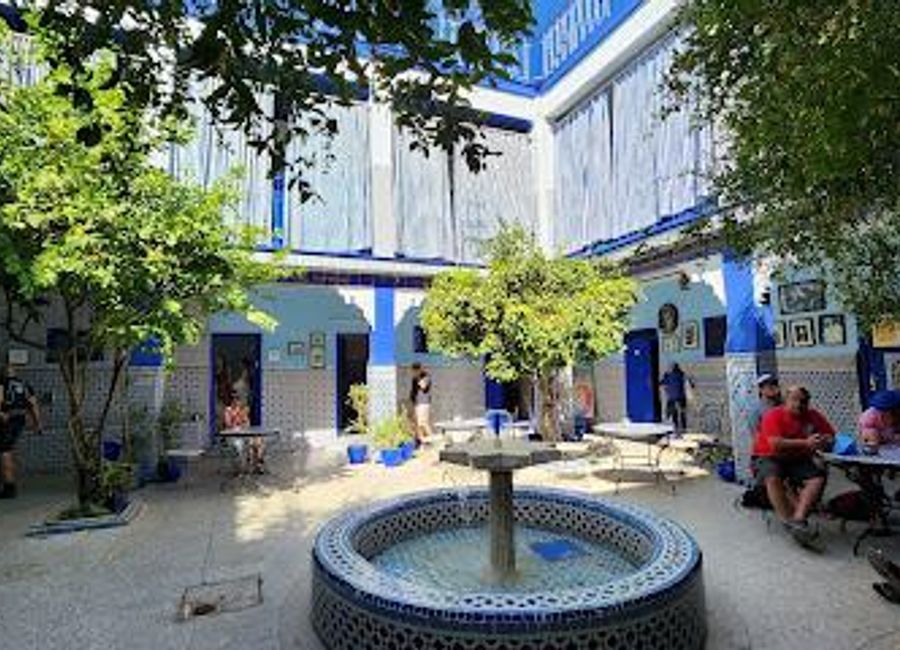
Explore Mellah, Marrakesh's historic Jewish quarter, where rich culture, vibrant markets, and stunning architecture await every traveler.
The Mellah was once a vibrant center of Jewish life in Marrakech. After the Reconquista and the expulsion of Jews from the Iberian Peninsula in 1492, many Jews arrived in Morocco, settling primarily in the cities and mingling with the local Jewish population. Many mellahs were created to protect the Jews under their status of dhimmi. The Mellah quickly became an important commercial area of the city and a fortified quarter, with its doors closed at night. While the Jewish population has dwindled over the years, the Mellah remains an important historical and cultural site.
I learned that the Mellah was once home to approximately 27,000 Jewish residents in the 1940s. Today, only a few families remain, but their legacy is palpable. The synagogues, the cemeteries, and the community buildings stand as testaments to their rich heritage. It was a sobering reminder of the diverse communities that have shaped Marrakech into the city it is today.
A Culinary Interlude
For lunch, we decided to try Pepe Nero, known for its fusion of Italian and Moroccan cuisine. The restaurant was tucked away in a small alley, and as we stepped inside, it felt like entering a different world. The atmosphere was elegant and charming, and the staff was incredibly attentive. I opted for the slow-cooked lamb shoulder, while Anjali chose the king prawn risotto. Both dishes were exceptional, a testament to Chef Khalid Robazza Essafa's culinary skills. The blend of flavors was unique and satisfying, making it one of the most memorable meals of our trip so far. I must admit, being a chef myself, I always appreciate when I am presented with a dish that surprises and delights me. After our meal, we had a lovely conversation with Mr. Rabie, who ensured we had a great dining experience.
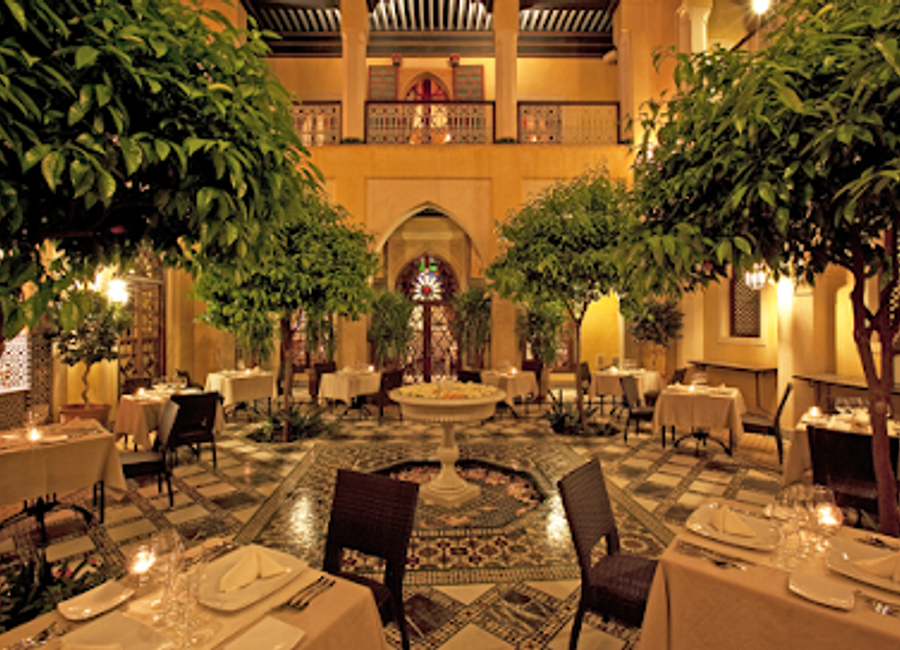
Discover the exquisite fusion of Italian and Moroccan cuisine at Pepe Nero in Marrakech's vibrant Medina.
Shopping for Treasures
In the afternoon, we ventured into Marrakech Artisan Jewellery, hoping to find a unique souvenir. Although I don't usually wear jewelry, I thought it would be nice to find something special for Anjali. The shop was filled with intricate designs, from traditional Berber pieces to modern creations. I was impressed by the craftsmanship and the artistry of the local artisans. I ended up purchasing a beautiful silver necklace with a delicate pendant for Anjali, which she absolutely loved. It was a perfect memento of our time in Marrakech.

Explore the exquisite craftsmanship of Marrakech Artisan Jewellery, where tradition meets elegance in stunning handmade pieces.
A Final Feast
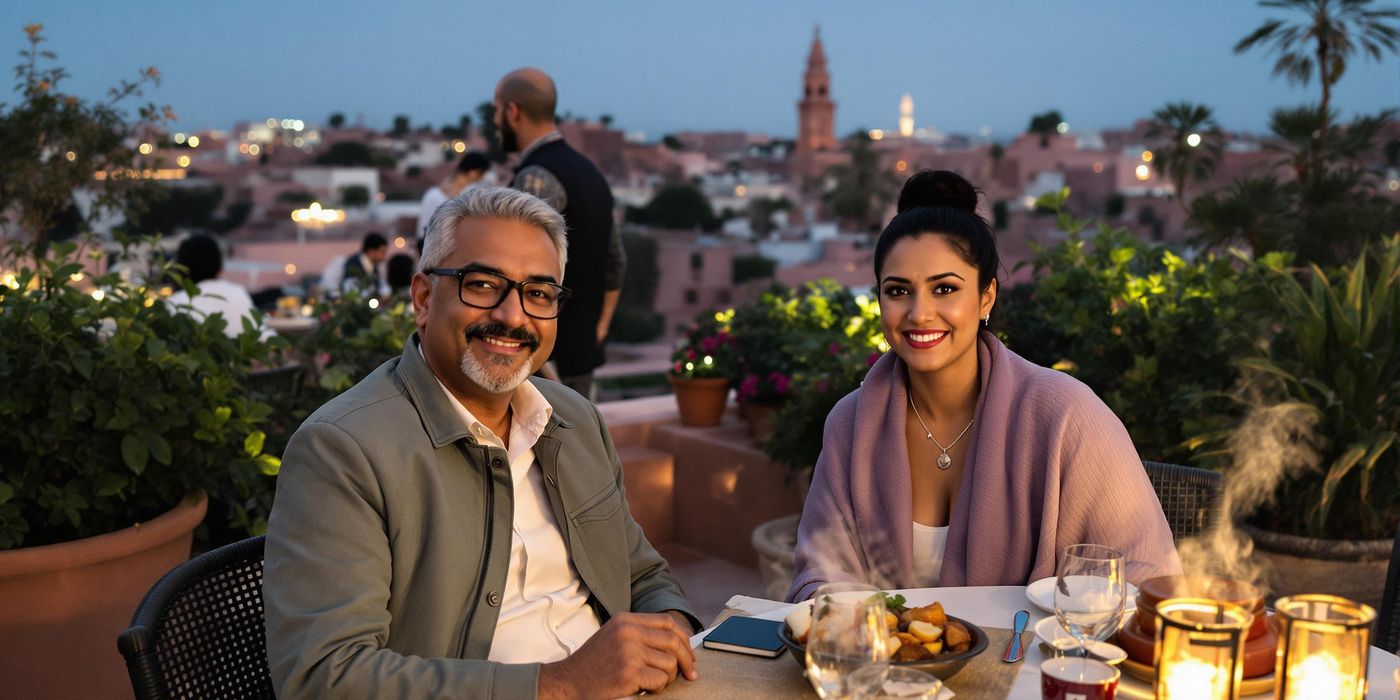
As the day drew to a close, we made our way to Le Foundouk for dinner. The restaurant was a bit tricky to find, but once we arrived, we were immediately captivated by its ambiance. The rooftop terrace offered stunning views of the city, and the atmosphere was both romantic and lively. The restaurant is located in the Medina area, and it might be challenging to find, but the staff can help with directions. The menu featured a mix of Moroccan and French cuisine, and we decided to try a bit of everything. We started with Moroccan salads and a pastilla, followed by a tagine and confit lamb with garlic and saffron. The flavors were rich and complex, and the presentation was impeccable. For dessert, we indulged in saffron crème brûlée and pistachio crème brûlée, both of which were heavenly. The staff was attentive and friendly, making our dining experience truly exceptional.
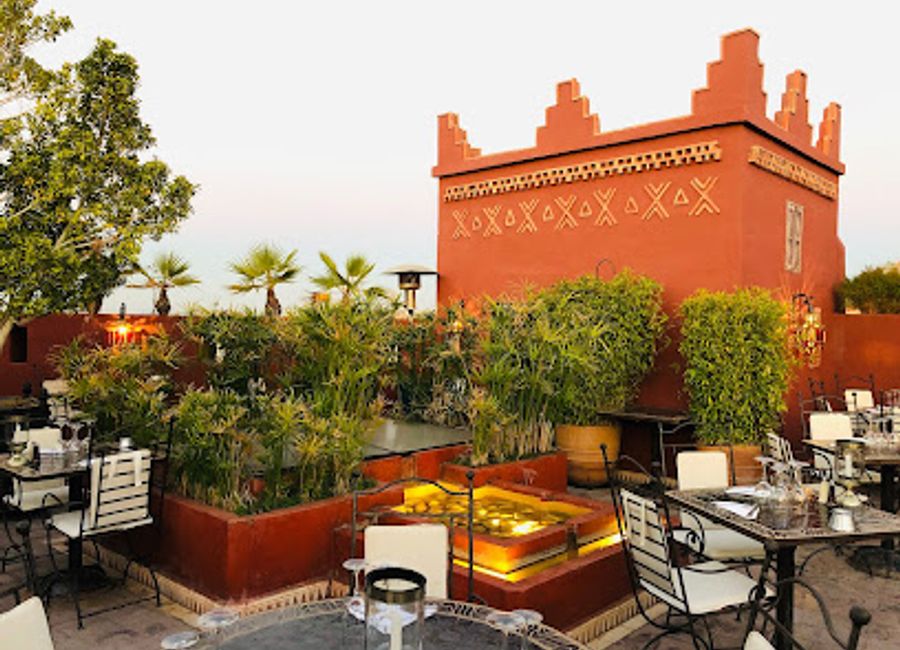
Experience exquisite Moroccan-French cuisine at Le Foundouk in Marrakesh's Medina, where vibrant flavors meet elegant ambiance.
Reflections on the Day
Today was a day of contrasts, from the solemnity of the Saadian Tombs to the grandeur of El Badi Palace and the vibrant history of the Mellah. Each site offered a unique glimpse into Marrakech's past, reminding me of the diverse influences that have shaped this city. As I reflect on the day, I am filled with a sense of gratitude for the opportunity to experience such rich history and culture. Marrakech has a way of captivating the senses and stirring the soul, leaving a lasting impression on all who visit. It’s a city that truly lives up to its reputation as a crossroads of cultures and a treasure trove of history.
Tomorrow, we plan to visit the Marrakech Museum, the House of Photography, and the Almoravid Koubba. I am particularly excited to explore the House of Photography, as I am keen to capture more of the city's beauty through my lens. We also plan to visit SKY-BAR for a drink, which should be a nice way to relax and enjoy the city views.
I am also hoping to pick up a portable phone charger and an extra memory card for my camera. I realized that I had forgotten them, and they would be quite useful for the rest of our trip. Anjali always reminds me to be more organized, and I suppose she is right.
Good night from Marrakech!
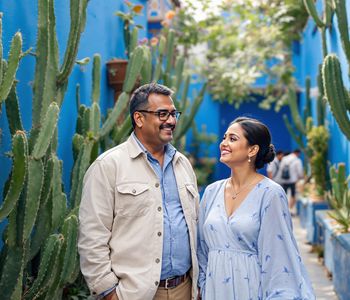
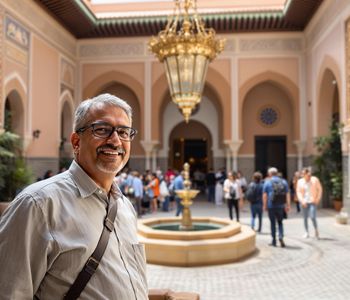
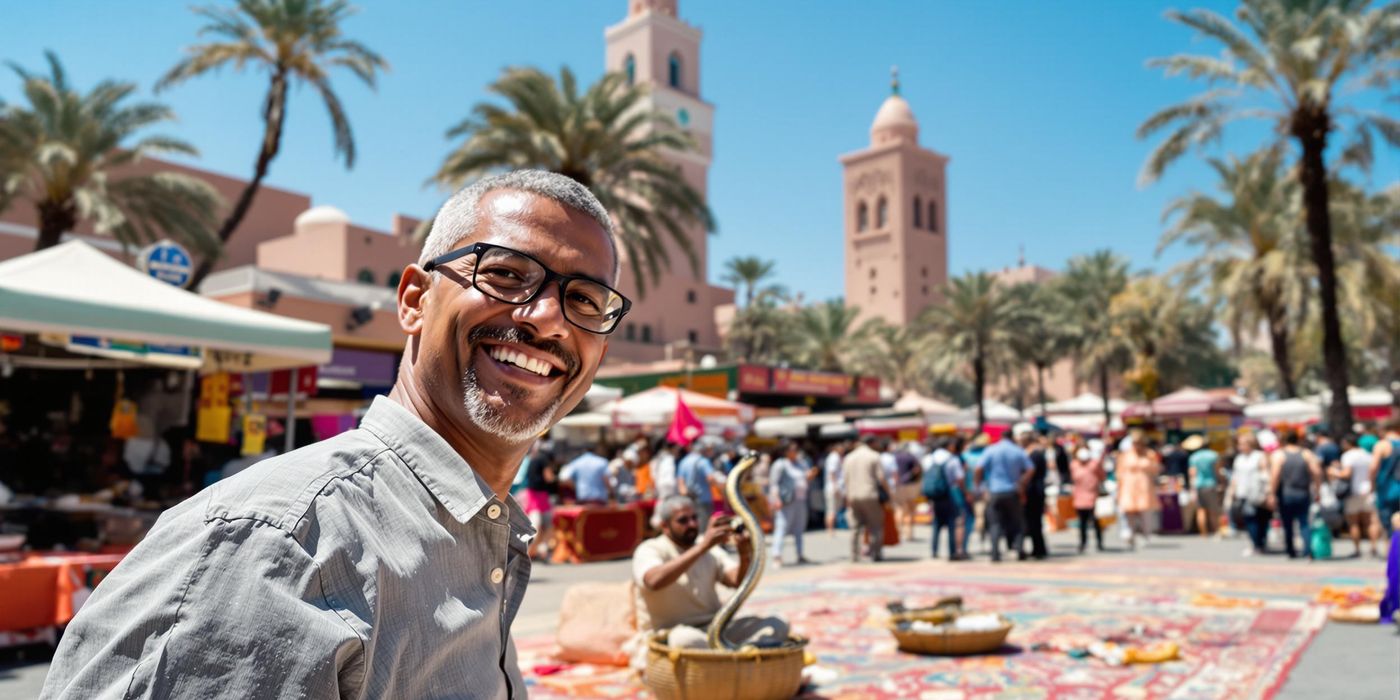
Explore Marrakech's rich history and vibrant markets with friends, staying at a charming riad. Discover the heart of Moroccan culture and cuisine.
Meet this Featured Explorer

-
 Occupation:
Chef specializing in Nepali cuisine at a local restaurant
Occupation:
Chef specializing in Nepali cuisine at a local restaurant
-
 Country:
Germany
Country:
Germany
-
 Age:
52
Age:
52
Namaste! I'm Rama Thapa, a Nepali chef living in Leipzig, Germany. I've called Germany my home for over 25 years, but my heart remains in the Himalayas. Through my blog, I share my passion for travel, food, and Nepali culture. Join me as I explore the world, one delicious dish and breathtaking view at a time. Whether you're planning a trip to Nepal, seeking authentic Nepali flavors in Germany, or simply love to travel, I hope my stories inspire you to embark on your own adventures.
- Nepali history and culture
- International cuisine
- Photography
- Hiking in the Alps
- Learning new languages
Find Similar Travel Diaries
Explore locations from this diary
-
Riad Petit Karmela
Discover the charm of Marrakesh at Riad Petit Karmela, a tranquil retreat with modern amenities, perfect for exploring the city's rich culture.
-
Saadian Tombs
Discover the Saadian Tombs in Marrakesh, an exquisite historical landmark revealing the grandeur of Morocco's royal past through stunning architecture and rich history.
-
El Badi Palace
Discover El Badi Palace in Marrakech, a historical landmark embodying the splendor of the Saadian dynasty and a must-see for culture enthusiasts.
-
Mellah
Explore Mellah, Marrakesh's historic Jewish quarter, where rich culture, vibrant markets, and stunning architecture await every traveler.
-
Le Bistro Arabe - Moroccan Jazz Restaurant in Marrakech
Discover Le Bistro Arabe: A fine dining haven in Marrakech offering Moroccan cuisine paired with enchanting live jazz performances.
-
Pepe Nero
Discover the exquisite fusion of Italian and Moroccan cuisine at Pepe Nero in Marrakech's vibrant Medina.
-
Le Foundouk
Experience exquisite Moroccan-French cuisine at Le Foundouk in Marrakesh's Medina, where vibrant flavors meet elegant ambiance.
-
Marrakech Artisan Jewellery
Explore the exquisite craftsmanship of Marrakech Artisan Jewellery, where tradition meets elegance in stunning handmade pieces.