Amazonian Adventure: Exploring Cuyabeno Wildlife Reserve
Day 1: Diving Deep into the Amazon: Our First Day in Cuyabeno
Embark on our Amazonian adventure! Day 1 in Cuyabeno Wildlife Reserve: wildlife encounters, serene canoe rides, and cultural immersion.
Welcome to the Jungle!
After months of planning, Liam and I have finally arrived in the heart of the Ecuadorian Amazon, ready to explore the wonders of Cuyabeno Wildlife Reserve. The journey here was long, but already the anticipation is building for the incredible experiences that await.
Our day began early, with a hearty breakfast at Jamu Lodge. The lodge is so lovely, and the staff is incredibly welcoming. Fortified with fresh fruit and strong coffee, we set off to explore the Cuyabeno Wildlife Center and the Reserva de Producción de Fauna Cuyabeno.

Experience tranquility at Jamu Lodge – your gateway to Ecuador's stunning natural beauty and vibrant culture.
The morning was dedicated to immersing ourselves in the sheer magnitude of the rainforest. The air is thick with humidity, and the sounds are like nothing I've ever experienced. The symphony of chirps, croaks, and buzzing insects is both overwhelming and exhilarating. Liam, ever the keen observer, was quick to point out the vibrant colours of the birds flitting through the canopy. His enthusiasm is infectious, and it's wonderful to share this adventure with him.
“The best view comes after the hardest climb.”
Our guide, whose name is Antonio, is a wealth of knowledge. He grew up in the Amazon and seems to know every plant and animal by name. He explained that December falls within the drier season, making it an ideal time for jungle hikes and wildlife photography, though the humidity remains high. I was relieved to hear this, as I'm eager to capture the beauty of this place with my camera. I did forget my portable solar charger and extra memory cards, which I am already regretting.
We spent a good portion of the morning on a canoe, gliding along the waterways that snake through the reserve. Antonio expertly navigated the narrow channels, pointing out various species of monkeys swinging through the trees. We spotted howler monkeys and capuchin monkeys, their playful antics bringing smiles to our faces. Liam was particularly thrilled to see a troop of squirrel monkeys, their tiny bodies darting amongst the branches. It's moments like these that remind us why we chose this adventure – to witness wildlife in its natural, untouched habitat. The Cuyabeno reserve is home to an estimated 1,100 animal species, so I know we will be seeing so much more!
Lunch was a delightful affair at Cuyabeno Lodge, another one of the eco-lodges in the reserve. The food was simple, yet delicious, featuring local ingredients and traditional Ecuadorian flavours. We dined al fresco, surrounded by the sounds of the jungle. It's incredible how quickly you adapt to this environment; the constant hum of nature becomes a soothing soundtrack to our meals.
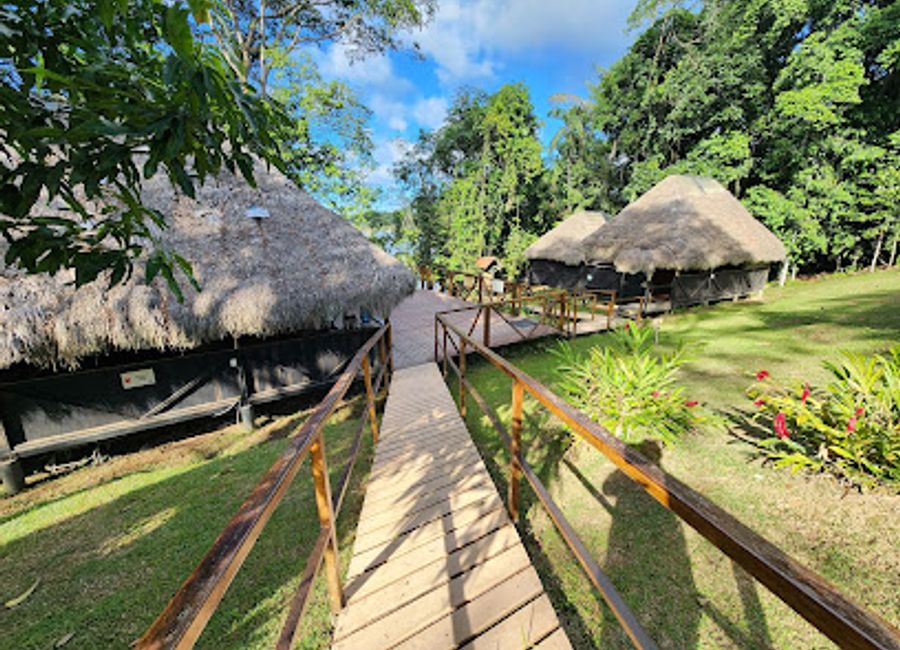
Discover Cuyabeno Lodge: Your Eco-Friendly Haven in Ecuador's Amazon Rainforest, Perfect for Adventure Seekers and Nature Lovers Alike.
The afternoon brought us deeper into the heart of the Reserva de Producción de Fauna Cuyabeno. We embarked on a guided walk through the flooded forests, marveling at the unique flora and fauna. Antonio explained how the reserve's ecosystem is different from other Amazonian protected areas, with its network of periodically inundated forests, lakes, and creeks. I was particularly fascinated by the macrolobium trees, which provide homes for countless epiphytes, herons, and macaws.
One of the highlights of the day was spotting a pair of pink river dolphins. These enchanting creatures are unique to the Amazon, and their playful nature is captivating. We watched in awe as they surfaced, their pink bodies glistening in the sunlight. Antonio told us that the dolphins are more easily spotted during the rainy season when the river navigation is smoother, but we felt incredibly lucky to have seen them on our first day.
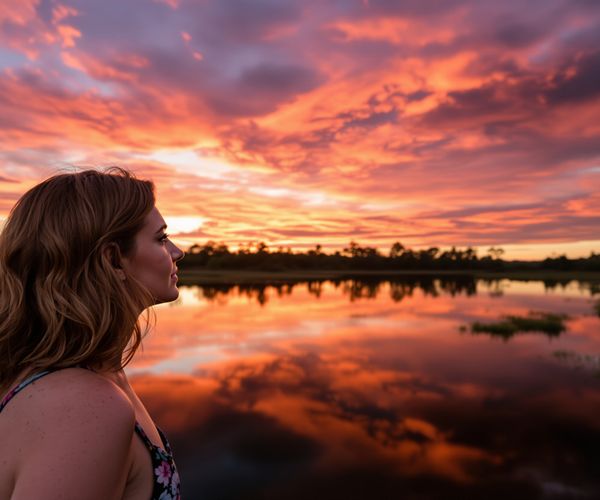
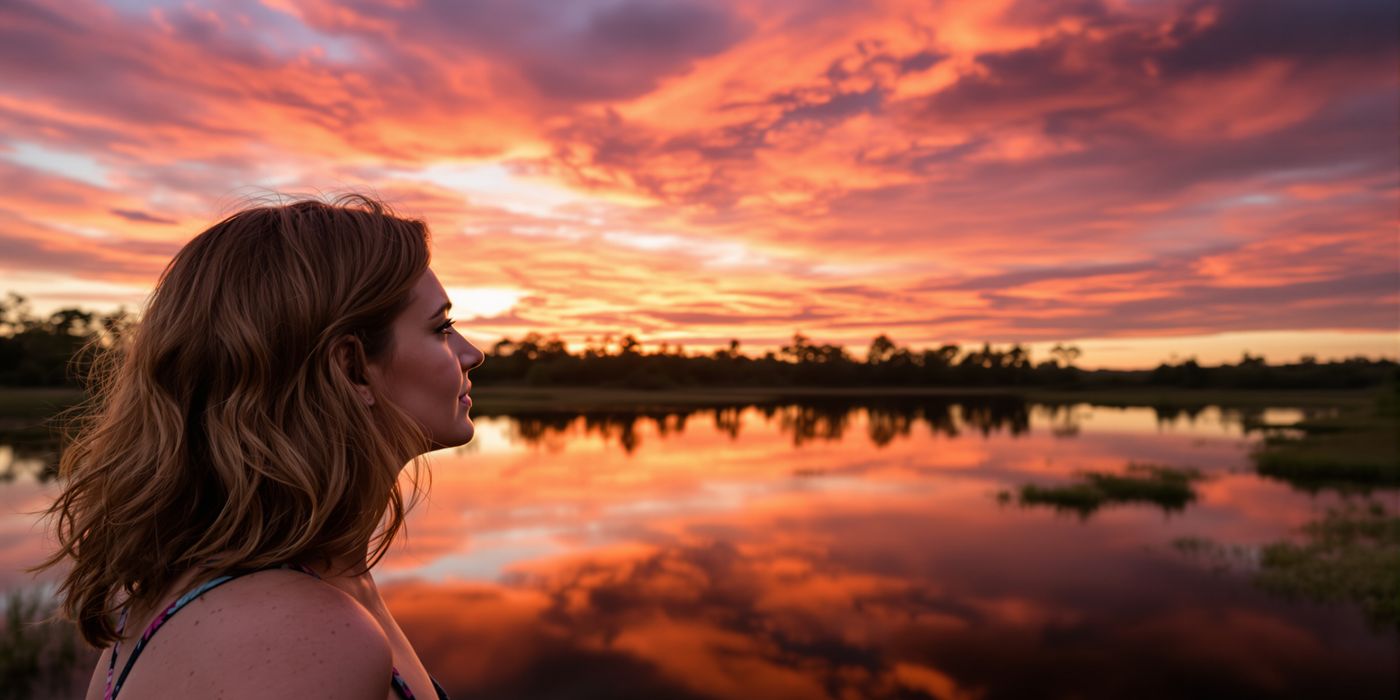
As the sun began to set, we made our way to Tapir Lodge, a local bar known for its stunning views. Sipping on a refreshing drink, we watched as the sky transformed into a canvas of vibrant colours. The sunset over the Amazon is a sight to behold, painting the sky with hues of orange, pink, and purple. It was the perfect way to end our first day in Cuyabeno.
Experience the wonders of the Amazon at Tapir Lodge, your gateway to the stunning Cuyabeno Wildlife Reserve.
Before dinner, Antonio gave a talk about the indigenous communities that live within the Cuyabeno Reserve. He explained that there are 11 indigenous communities belonging to the Secoya, Siona, Cofan, Kichwa, and Shuar nationalities. These communities have a deep connection to the land and have lived in harmony with the Amazon for centuries. It’s so interesting to learn about the different cultures and traditions of these groups.
Dinner was back at Jamu Lodge, where we enjoyed another delicious meal. As we sat around the table, sharing stories and experiences with our fellow travelers, I felt a sense of gratitude for this incredible opportunity. The Cuyabeno Wildlife Reserve is a truly special place, and I'm excited to continue our exploration tomorrow.
Tomorrow, we plan to explore the Cuyabeno River and El Puente Cuyabeno. I am really hoping to spot some more wildlife. I am also hoping to get some local crafts from the Green Forest Ecolodge Cuyabeno.
As I reflect on our first day, I'm struck by the sheer biodiversity and cultural richness of this region. The Cuyabeno Wildlife Reserve is not just a place to see exotic animals and plants; it's a place to connect with nature, learn about different cultures, and appreciate the importance of conservation. I am so glad that Liam and I chose to start our sustainable adventure here, and I can't wait to see what tomorrow brings.
The magic of the Amazon isn't just in its breathtaking landscapes and vibrant wildlife, but in its power to connect us with nature and each other.
The indigenous communities in Cuyabeno are primarily the Siona, Secoya, Cofan, Kichwa, and Shuar. They live near the shores of the Cuyabeno and Aguarico rivers. These communities maintain their unique languages, cultural rituals, and worldviews. Until the 1980s, these communities mainly lived off fishing, farming, and hunting. Since then, their lives have changed due to improved access with roads built for oil exploitation and earnings from ecotourism.
The Siona people live in the upper Cuyabeno lakes network and along the Tarapuy River, while the Cofan and Secoya live on the banks of the Aguarico. The Secoya originally lived within the reserve but now live just outside of it. Many of these indigenous people still have knowledge about natural medicines, but this knowledge is fading among younger generations.
The Cuyabeno Wildlife Reserve was created in 1979 and covers 600,000 hectares. It has large extensions of tropical forest and a complex of 14 lagoons, forming the largest wetland in the Ecuadorian Amazon. These flooded forests are home to pink dolphins, manatees, alligators, anacondas, otters, monkeys, jaguars, pumas, piranhas, and many other species.
The Cuyabeno's flora is also incredibly diverse, with around 1,400 species distributed in different ecosystems. Trees like ceibo, sande, and mahogany can reach over 50 meters in height. There are approximately 60 species of orchids and numerous species of heliconias, epiphytes, vines, and ferns.
The reserve has about 1,100 species of animals, including 165 mammals, 500 birds, 81 amphibians, 54 reptiles, and 300 fish. Some endangered species found in the reserve include the black caiman, giant otter, pink river dolphin, and white-bellied spider monkey. Other primates include howler monkeys and capuchin monkeys.
There are several eco-lodges in Cuyabeno that focus on sustainability. These lodges use natural materials like bamboo and sustainably harvested wood for construction. They also use solar panels and LED lighting to reduce energy consumption and rely on natural ventilation instead of air conditioning. Waste management is also a priority, with composting and recycling programs in place.
These eco-lodges also contribute to wildlife conservation by educating guests about responsible wildlife interactions and implementing no hunting or fishing policies. They also support reforestation initiatives to restore degraded areas and create habitats for animals.
The indigenous communities also play a role in ecotourism. They offer tours to learn about their lives, participate in ancestral rituals, and taste typical food. By visiting tourism projects owned and operated by indigenous communities, travelers can support the local economy and help preserve their cultural heritage.
The Cuyabeno River, which the reserve is named after, means “kind river” in the language of the Siona-Secoya nationalities. The reserve is known for its extensive network of wetlands, rivers, and tropical forests that provide the perfect environment to observe a wide variety of wildlife up close.
The weather in Cuyabeno in December is generally warm and humid, with average highs of 82°F (28°C) and lows of 73°F (23°C). There is a 70% chance of rain on an average day, with about 0.43 inches (10.9 mm) of precipitation. The humidity is high, averaging around 91%.
The Cuyabeno Wildlife Reserve is a remarkable place that offers a unique blend of natural beauty, cultural richness, and sustainable tourism. It's a destination that not only provides an unforgettable travel experience but also contributes to the preservation of this precious ecosystem for future generations.

Join Sophie and Liam on a sustainable adventure to Ecuador's Cuyabeno Wildlife Reserve, exploring the Amazon's vibrant wildlife and ecosystems.
Meet this Featured Explorer

-
 Occupation:
Freelance Graphic Designer
Occupation:
Freelance Graphic Designer
-
 Country:
Canada
Country:
Canada
-
 Age:
33
Age:
33
Kia ora! I'm Sophie, a Kiwi graphic designer turned travel blogger based in Kelowna, Canada. Together with my husband, Liam, I'm on a mission to explore the world in a sustainable and meaningful way. I share my adventures, tips, and insights on Evendo, hoping to inspire you to travel responsibly and create unforgettable memories while respecting our planet and its diverse cultures. Join me as I uncover hidden gems, savor local flavors, and promote eco-conscious travel practices.
- Sustainable living
- Cultural Anthropology
- Food Photography
- Wildlife Conservation
- Yoga and Meditation
Find Similar Travel Diaries
Explore locations from this diary
-
Cuyabeno Wildlife Center
Experience the unparalleled beauty and biodiversity of the Amazon at Cuyabeno Wildlife Center, your gateway to the wonders of Ecuador's rainforest.
-
Reserva de producción de Fauna Cuyabeno
Explore the breathtaking Cuyabeno Wildlife Reserve, a national park in Ecuador known for its rich biodiversity and stunning Amazon rainforest landscapes.
-
Jamu Lodge
Experience tranquility at Jamu Lodge – your gateway to Ecuador's stunning natural beauty and vibrant culture.
-
Cuyabeno Lodge
Discover Cuyabeno Lodge: Your Eco-Friendly Haven in Ecuador's Amazon Rainforest, Perfect for Adventure Seekers and Nature Lovers Alike.
-
Jamu Lodge
Experience tranquility at Jamu Lodge – your gateway to Ecuador's stunning natural beauty and vibrant culture.
-
Tapir Lodge
Experience the wonders of the Amazon at Tapir Lodge, your gateway to the stunning Cuyabeno Wildlife Reserve.