Exploring the Renaissance Charm of Urbino, Italy
Day 2: A Day of Renaissance Echoes: Exploring Urbino's Artistic Heart
Discover Urbino's hidden gems: Oratorio, Botanical Garden, and Fortress. A journey through art, nature, and history in the heart of Italy.
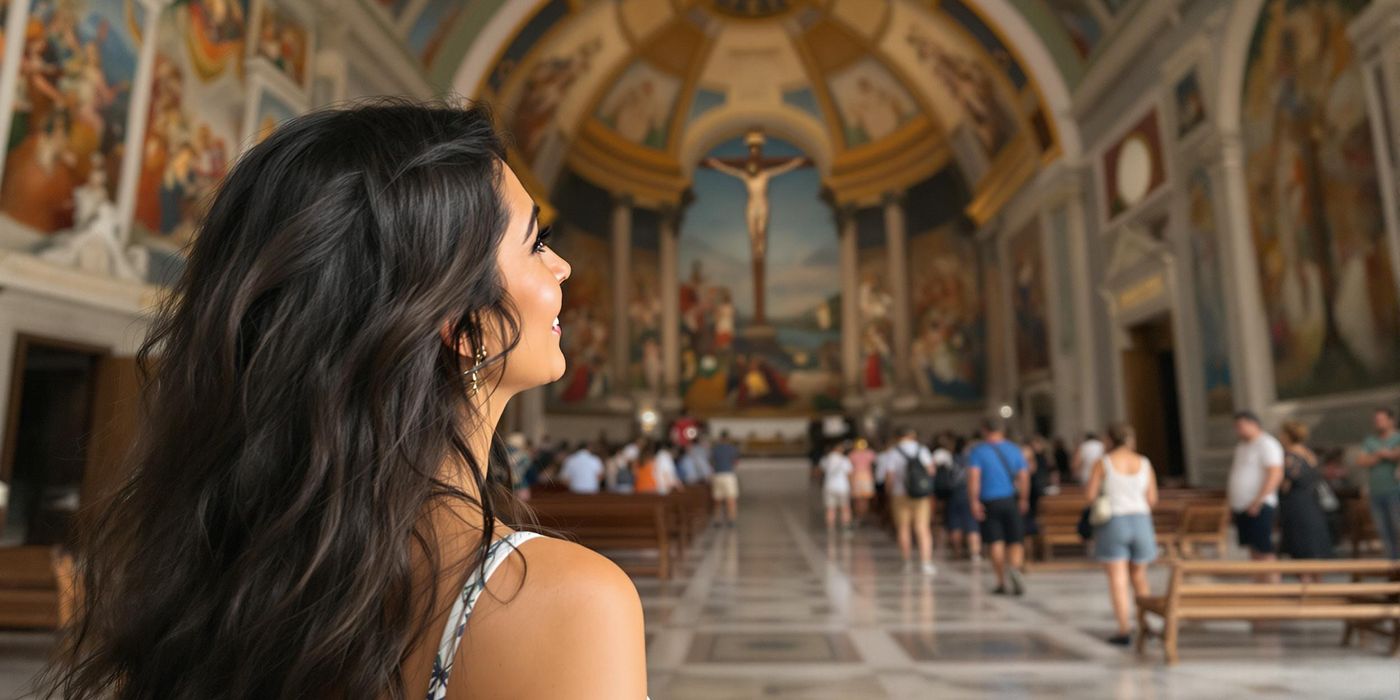
Echoes of the Renaissance in Urbino
Today, Maximilian and I delved deeper into the heart of Urbino, a city that whispers stories of the Renaissance around every corner. It felt like stepping back in time, each location revealing a new facet of this cultural gem. Despite a slight hiccup with my portable charger still sitting on the kitchen counter back in Heidelberg, we were determined to make the most of our day, soaking in the art, history, and natural beauty that Urbino had to offer.
Our day began with a delightful breakfast at Il Cortegiano Ristorante. The aroma of freshly baked bread and strong Italian coffee filled the air as we settled onto the terrace, which offered a stunning view of the Urbino Cathedral. Maximilian, ever the early bird, was already snapping photos of the Duomo bathed in the morning light. I opted for a simple yet satisfying pastry, while Maximilian chose a more hearty option with local cheeses and cured meats. It was the perfect start to a day of exploration.
A Spiritual Awakening at the Oratorio di San Giovanni Battista
Our first stop was the Oratorio di San Giovanni Battista. Tucked away beneath the Albornoz Fortress, this unassuming building holds within its walls a treasure trove of late-gothic art. As we stepped inside, we were immediately enveloped in a sense of reverence and awe. The interior is adorned with frescoes painted by the brothers Lorenzo and Jacopo Salimbeni in 1416. The vibrant colors and intricate details of the scenes from the life of St. John the Baptist transported us back in time.
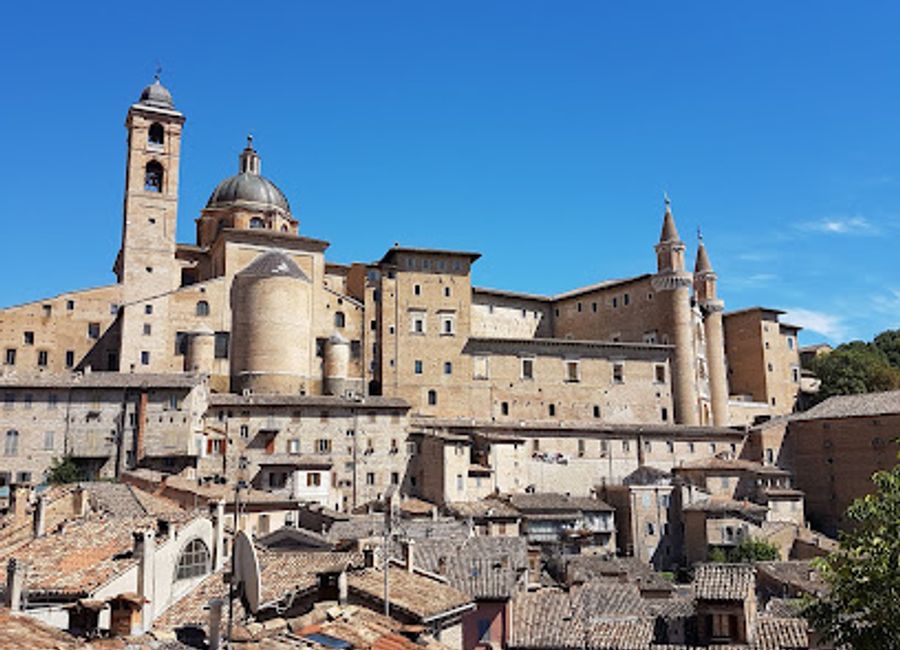
Discover the enchanting Oratorio di San Giovanni Battista in Urbino, a captivating Catholic church adorned with stunning frescoes and rich history.
The most striking fresco is the Crucifixion behind the main altar. The sheer scale of the artwork and the raw emotion captured in the figures were incredibly moving. Maximilian, with his keen eye for detail, pointed out the artists' skillful use of color and perspective, which brought the scenes to life. I was particularly drawn to the stories of St. John the Baptist that covered the side walls, each panel telling a different chapter of his life with remarkable clarity and depth.
Art is not what you see, but what you make others see.
The oratory itself has a rich history, dating back to 1365 when the Lateran Chapter granted Ugolino Finelli permission to build it near a hospital for the sick and pilgrims. The building was completed in 1393, and the frescoes were added in the early 15th century. I found it fascinating that the exterior of the oratory was redone in the early 20th century in a neo-Gothic style, a stark contrast to the late-gothic masterpieces within. We spent a good hour wandering around, taking in the artistry and imagining the countless people who had stood in that very spot over the centuries, seeking solace and inspiration.
Tranquility Found at the Botanical Garden
Next on our itinerary was the Botanical Garden of the University. After the intensity of the oratory, the gardens offered a welcome respite. Located on Via Bramante, the garden is a peaceful oasis showcasing a diverse collection of plant species. As we entered, we paid the small entrance fee of one euro, and I was immediately struck by the tranquility of the place. The garden is divided into three terraces, each with its own unique charm.

Discover the tranquility and beauty of the Botanical Garden of the University in Urbino, a perfect escape for nature enthusiasts and curious travelers.
The first terrace, known as the Hortus simplicium, was particularly interesting. It featured a collection of medicinal plants arranged in flowerbeds bordered by boxwood. Maximilian, with his interest in sustainable living, was intrigued by the various plants and their uses. We admired the small pond with aquatic species like Nymphaea alba and Menta aquatica. The greenhouse, built in 1813, housed plants that couldn't withstand the winter cold. I imagined how beautiful it must look in full bloom during the summer months.
As we strolled through the garden, we admired the ancient trees, including the Ginkgo biloba and Cedrus deodara. The garden was founded in 1809 when one of the vegetable gardens of the Minor Friars of the St. Francis convent was entrusted to Professor De Brignoli. He transformed it into a botanical garden with the support of Count Giovanni Scopoli. It was fascinating to learn that the garden was given to the University in 1844 and has been an institution of the Carlo Bo University of Urbino ever since.
We spent a leisurely hour wandering through the various sections, enjoying the fresh air and the beauty of nature. Despite missing my umbrella (Heidelberg's weather is nothing if not unpredictable), the sun was shining, and the weather was perfect for a stroll. It was a refreshing break from the historical sites and a reminder of the simple pleasures in life.
Conquering the Fortezza Albornoz
Our final stop of the day was the Fortezza Albornoz. Perched atop the highest point of Monte di S. Sergio, the fortress offered panoramic views of Urbino and the surrounding landscape. The climb up to the fortress was a bit strenuous, but the reward was well worth the effort. As we reached the top, we were greeted by a breathtaking vista of the city, with its terracotta rooftops and winding streets stretching out before us.

Discover the historical charm and breathtaking views of Fortezza Albornoz, a Renaissance fortress in Urbino, Italy, surrounded by beautiful parkland.
The fortress itself has a long and fascinating history. It was built in the second half of the 14th century by Cardinal Albornoz for defensive purposes. Over the centuries, it underwent several destructions and reconstructions. In the early 1500s, it was unified with the city walls, and later, in Napoleonic times, it was rebuilt for military needs. Today, the fortress houses the “Bella Gerit” Museum, which features archaeological finds and war equipment from the 14th to 16th centuries.
Maximilian and I spent some time exploring the museum, admiring the reproductions of firearms and learning about the history of warfare in the region. However, the real highlight was the view. We walked along the ramparts, taking in the stunning scenery and snapping photos. The public park surrounding the fortress, dedicated to the Resistance, provided a peaceful setting for reflection.
From the fortress, we could see the entire city of Urbino laid out before us, a testament to the architectural genius of the Renaissance. It was a perfect way to end our day, with a sense of accomplishment and a deeper appreciation for the history and beauty of this remarkable city. As the sun began to set, casting a warm glow over the landscape, we made our way back down the hill, our hearts full of memories.
A Culinary Finale
For dinner, we chose Portanova Ristorante in Urbino, drawn in by its promise of creative dishes based on high-quality, local products. We weren't disappointed. The restaurant, managed by a young couple, had a cozy and intimate atmosphere. I opted for a pasta dish with truffles, while Maximilian chose a meat dish with local herbs. Each bite was a burst of flavor, and the service was impeccable.
As we savored our meal, we reflected on the day's adventures. From the spiritual awakening at the Oratorio di San Giovanni Battista to the tranquility of the Botanical Garden and the breathtaking views from the Fortezza Albornoz, Urbino had captivated us with its blend of art, history, and natural beauty. Even though I had forgotten my portable charger, we managed to capture plenty of photos and memories that would last a lifetime.
Tomorrow, we plan to explore the Parco della Resistenza, Punto Panoramico di Urbino, and Museo diocesano Albani. Perhaps we'll even venture out to the Urbino Jazz Club for a nightcap. Until then, arrivederci from Urbino!
Before heading back to our accommodation, we stopped by Ceramiche Artistiche Urbino, a local shop recommended by a fellow traveler we met earlier. I wanted to find a unique piece of pottery to bring back home as a souvenir. The shop was filled with beautiful hand-painted ceramics, each one a testament to the artistic heritage of Urbino. After browsing for a while, I finally chose a small, intricately designed plate depicting a scene from the Ducal Palace. It was the perfect memento of our time in this Renaissance city.
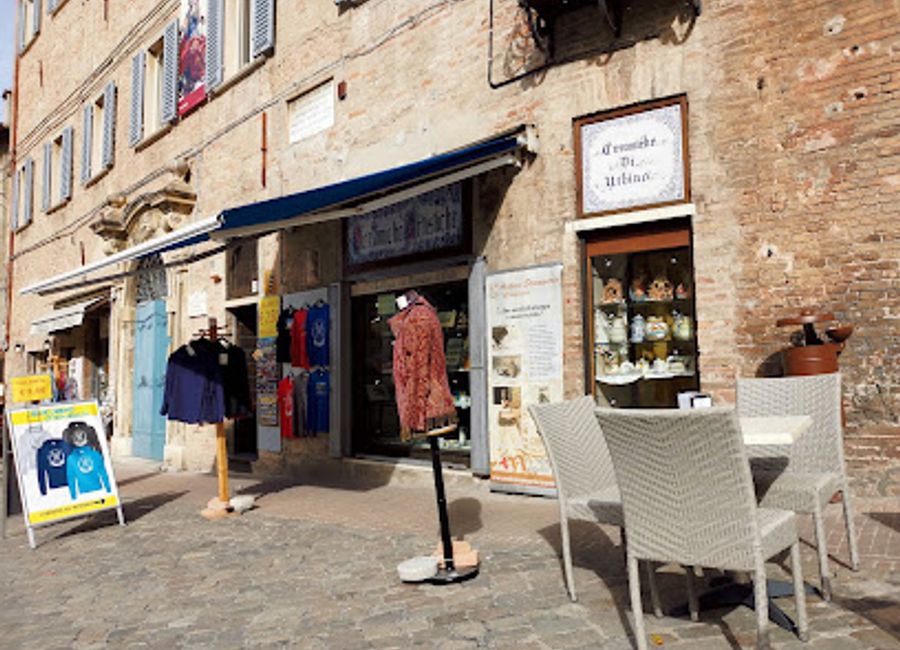
Explore the rich heritage of ceramics at Ceramiche Artistiche Urbino, where every piece tells a story of Italian artistry.
As we walked back, hand in hand, under the starlit sky, I couldn't help but feel grateful for this incredible journey. Urbino had exceeded all my expectations, and I knew that this was a place I would never forget.
To travel is to discover that everyone is wrong about other countries.
Today was a testament to the fact that even without every single travel essential (I really need to remember that charger!), a day can be filled with enriching experiences if you remain open to discovery. And with Maximilian by my side, every adventure feels like a cherished memory in the making.
As for tomorrow, I'm particularly excited about visiting the Punto Panoramico di Urbino; I hear the views are simply spectacular. And who knows, maybe we'll even pick up a few steps at the Urbino Jazz Club – a little salsa in Italy, why not? Goodnight from Urbino, or as they say here, *buona notte*!



Discover Urbino, Italy's Renaissance treasure, with Valentina and Maximilian. Immerse in culture, history, and breathtaking landscapes.
Meet this Featured Explorer

-
 Occupation:
Software Developer
Occupation:
Software Developer
-
 Country:
Germany
Country:
Germany
-
 Age:
33
Age:
33
¡Hola a todos! I'm Valentina, a software developer by day and a passionate traveler by night (and weekends!). Born and raised in the beautiful Arecibo, Puerto Rico, I now call Heidelberg, Germany, my home. This blog is my way of sharing my adventures, cultural insights, and sustainable travel tips with you. Join me as I explore the world, one carefully planned and culturally immersive trip at a time. I hope to inspire you to embrace new experiences, connect with different cultures, and travel responsibly.
- Technology
- Sustainable living
- Cultural exchange
- Linguistics
- History
Find Similar Travel Diaries
Explore locations from this diary
-
Oratorio di San Giovanni Battista
Discover the enchanting Oratorio di San Giovanni Battista in Urbino, a captivating Catholic church adorned with stunning frescoes and rich history.
-
Botanical Garden of the University
Discover the tranquility and beauty of the Botanical Garden of the University in Urbino, a perfect escape for nature enthusiasts and curious travelers.
-
Fortezza Albornoz
Discover the historical charm and breathtaking views of Fortezza Albornoz, a Renaissance fortress in Urbino, Italy, surrounded by beautiful parkland.
-
Il Cortegiano Ristorante
Experience authentic Italian cuisine at Il Cortegiano Ristorante in Urbino - where tradition meets flavor in a charming setting.
-
Osteria Km 0
Experience authentic Italian cuisine at Osteria Km 0 in Urbino – where local ingredients meet traditional recipes.
-
Portanova Ristorante in Urbino
Experience authentic Italian cuisine at Portanova Ristorante in Urbino – where tradition meets contemporary culinary artistry.
-
Ceramiche Artistiche Urbino
Explore the rich heritage of ceramics at Ceramiche Artistiche Urbino, where every piece tells a story of Italian artistry.