

Bactres, Balkh Travel Guide
Discover Bactres, the 'Mother of Cities,' a Silk Road oasis with a rich tapestry of history and culture in northern Afghanistan [3].
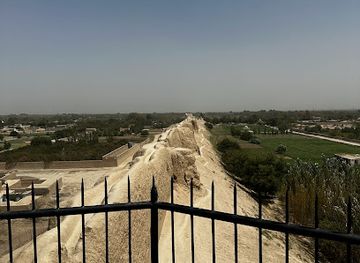
Explore Bactres (Balkh), an ancient city in northern Afghanistan, once a vital Silk Road hub where Zoroastrianism, Buddhism, and Islam converged. Discover its rich history, from Alexander the Great to the Mongol invasions, and wander through the ruins of this once-great 'Mother of Cities'.
A brief summary to Bactres
- QV5X+6GH, Balkh, AF

Know before you go
Hi, I'm Eve. Here are a few practical things to know before exploring Bactres.
- Visit early in the morning to avoid the heat and enjoy a more peaceful exploration of the site [3].
- Hire a local guide to gain deeper insights into the history and significance of the ruins [3, 4].
- Wear comfortable shoes, as the terrain can be uneven and requires some walking [3].
- Bring plenty of water and snacks, as there are limited facilities available near the site [3, 4].
Do you manage this location?
Take control to get all the benefits, like improved information, better appearance, and stronger visibility across AI-powered discovery. Learn more about listing your business on Evendo
Activate your presenceOther nearby places you may find interesting
The closest places of the same kind, if this one is not quite what you had in mind.

Explore Bactres on the Map
A handpicked selection of must-see spots near Bactres, mapped for you.
Getting There
-
Taxi/Ride-Share
From the center of Balkh city, a taxi or ride-share is the most practical way to reach the archaeological site of Bactres [3]. Negotiate the fare beforehand, aiming for approximately 150-300 AFN for the round trip, including waiting time [3, 4]. The journey is short, roughly 5-10 minutes, heading in the general direction of the airport [3]. Use landmarks such as the main bazaar or the road towards Mazar-e-Sharif as orientation points [3]. Note that ride-sharing apps may have limited availability in this region [3].
-
Public Transport
Shared taxis or minibuses are available from the main transportation hub in Balkh city towards surrounding areas [3]. Inquire for a ride heading in the general direction of 'Qarya-yi Bactres' or the road towards Mazar-e-Sharif [3]. The fare should be significantly cheaper than a private taxi, around 20-50 AFN per person [3]. Be prepared for a potentially crowded ride and a short walk (approximately 15 minutes) from the drop-off point to the actual site [3]. Look for local signs or ask for directions to 'Bactres ruins' from the drop off point [3].
Discover more about Bactres













Your all‑in‑one travel companion app
Explore expert travel guides, compare and book tours, experiences, hotels, and more—all from the palm of your hand. Download now for seamless trip planning wherever your wanderlust takes you.


Explore More of Balkh
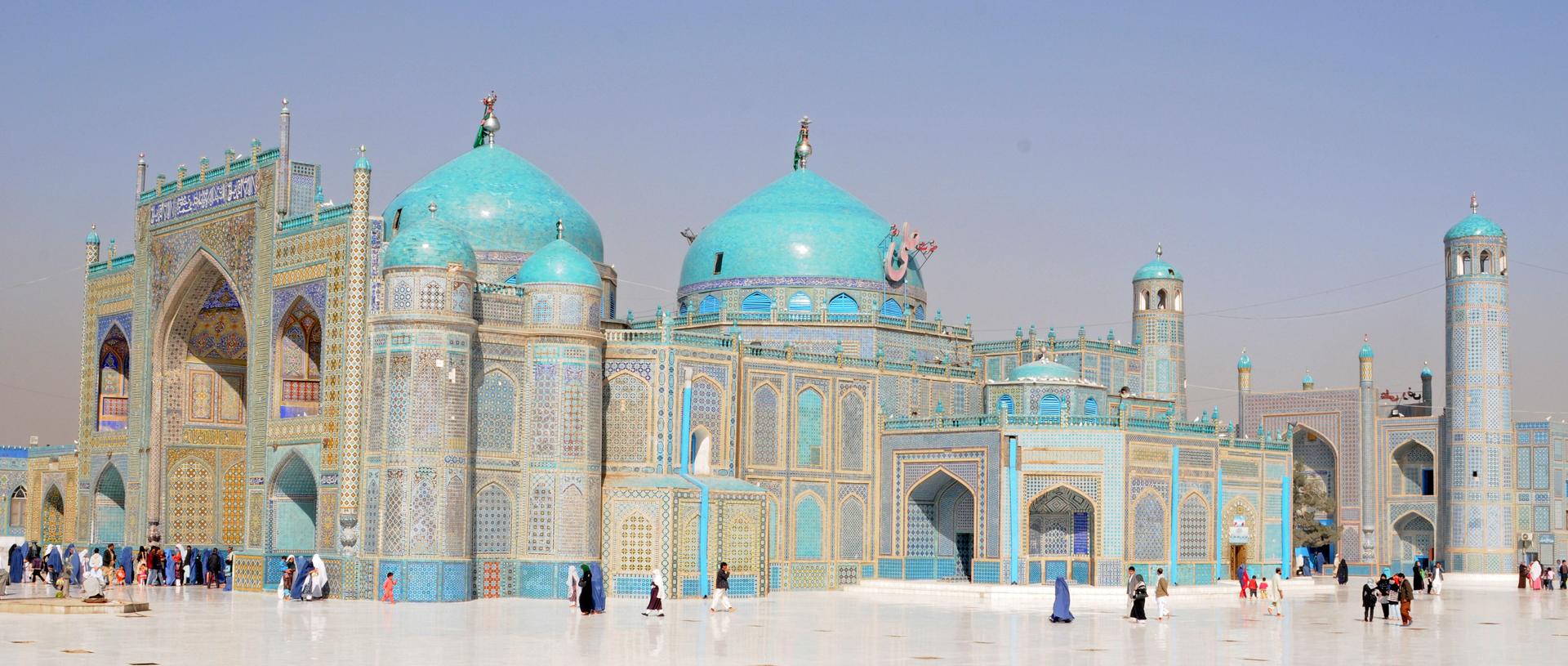
Looking beyond Bactres? Discover Balkh for broader travel guides, local hot-spots, and regional highlights.
Explore Balkh