

Balkh, Afghanistan Travel Guide
Discover Balkh: A Timeless Journey into Afghanistan's Ancient Heart, where history, culture, and tradition converge in a timeless dance.
Balkh, often referred to as the 'Mother of Cities,' is a historical gem in northern Afghanistan. As one of the oldest cities in the world, it has a rich tapestry of history stretching back over 2,500 years. Balkh was once the capital of the ancient Bactrian Empire and played a significant role in the spread of Zoroastrianism and later Buddhism. Today, its ruins and monuments serve as a testament to its illustrious past. The city is home to the ancient Bala Hissar fort, which offers stunning views of the surrounding landscape. The fort is a must-visit for history buffs and those interested in ancient architecture. Nearby, the Blue Mosque, with its stunning blue tiles, stands as a symbol of the city's Islamic heritage. The mosque's serene atmosphere provides a perfect escape for moments of reflection. A visit to Balkh is not complete without exploring its bustling bazaars, where you can find traditional Afghan crafts, spices, and textiles. The local hospitality is legendary, and you'll often be invited for a cup of tea while you shop. For those interested in literature and poetry, Balkh is the birthplace of the famous Persian poet, Rumi. The city's cultural richness is evident in its festivals, music, and dance, which continue to thrive despite the passage of time.

Know before you go
Hi, I'm Eve. Here are a few practical things to know before exploring Balkh.
- Visit early in the morning to avoid the heat and crowds.
- Dress modestly to respect local customs and traditions.
- Hire a local guide to get the most out of your historical tours.
- Carry a bottle of water and sun protection, as the climate can be harsh.
- Learn a few basic phrases in Dari or Pashto to connect with locals.
Top City Travel Guides in Balkh
The cities of Balkh, and the easiest places to base yourself.

Explore Balkh: Things to Do, Places to Eat, Hotels & More
Handpicked recommendations for top attractions, local dining, accommodations, and more

Top Attractions & Sightseeing in Balkh
Top-rated picks
Best Attractions

Bagh-e Umomi
Discover Bagh-e Umomi in Balkh: A historic Persian-style garden offering a tranquil escape and a glimpse into local Afghan culture.

Ancient Wall of Balkh
Discover the ancient wonders of Balkh, Afghanistan, where history and culture converge along the legendary Silk Road. Explore the enduring legacy of the 'Mother of Cities'.

Best landmarks in Balkh
Top-rated picks
Best Landmarks

Herat Citadel
Explore the ancient Herat Citadel, a majestic fortress with roots in Alexander the Great's era, offering a glimpse into Afghanistan's rich history.

Babur Garden
Explore the historic Bagh-e Babur in Kabul, the final resting place of Mughal Emperor Babur, featuring terraced gardens and stunning city views.
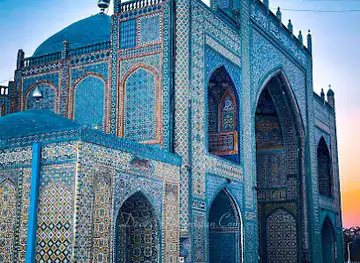
Shrine of Hazrat Ali
Discover the spiritual heart of Afghanistan at the Shrine of Hazrat Ali, a mesmerizing display of Islamic architecture and profound cultural significance.

Khwaja Abdullah Ansari Shrine
Discover the spiritual heart of Herat at the Khwaja Abdullah Ansari Shrine, a testament to Sufi mysticism and exquisite Timurid architecture, attracting pilgrims and tourists alike.

Best restaurants in Balkh
Top-rated picks
Best Restaurants

Mr.cook fast food
Discover Mr. Cook Fast Food: A Taste of Local Afghan Hospitality & International Flavors in Kabul's Heart.

Etifaq Pizza
Discover delicious pizza with Afghan flavors at Etifaq Pizza in Mazar-i-Sharif - perfect for family meals or quick bites.

Sufi Mahal Restaurant ( رستورانت صوفی محل )
Discover authentic Afghani cuisine at Sufi Mahal Restaurant in Kabul - a culinary gem celebrating rich flavors and traditions.

Herat Restaurant
Discover authentic Afghan cuisine at Herat Restaurant in Kabul—where every dish tells a story.

Best bars in Balkh
Top-rated picks
Best Bars
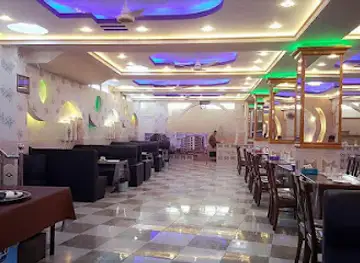
رستورانت و مهمان سرای بلخ باستان Balkh e Bastan Restaurant
Discover authentic Afghan cuisine at Balkh e Bastan Restaurant, a culinary gem in Mazar-i-Sharif, where tradition meets taste.

مرکز ویتامین و آیسکریم ویژه
Experience the delightful flavors of ice cream in Mazar-i-Sharif at مرکز ویتامین و آیسکریم ویژه, a must-visit destination for sweet treats.

Qasri Kokcha Hotel and Restaurant
Discover the charm of Fayzabad at Qasri Kokcha Hotel and Restaurant, where comfort meets authentic Afghan cuisine.

Rahat Hotel
Discover Rahat Hotel in Mazar-i-Sharif: A blend of comfort and Afghan hospitality awaits in this vibrant city.

Best nightclubs in Balkh
Top-rated picks
Best Nightclubs

King Hotel
Experience the authentic flavors of Afghanistan at King Hotel, a culinary gem in Mazar-i-Sharif, where tradition meets hospitality.

Rawza e Mubarak Museum
Discover Afghanistan's cultural treasures at the Rawza e Mubarak Museum, a historical gem in Mazar-i-Sharif showcasing rich heritage and artistry.

Rahat Hotel
Discover comfort and hospitality at Rahat Hotel, your ideal base for exploring Mazar-i-Sharif's rich heritage and attractions.

Bagh-e Umomi
Discover the tranquil beauty of Bagh-e Umomi, a historic garden in Balkh, Afghanistan, where nature and culture intertwine.

Best shops in Balkh
Top-rated picks
Best Shops

Bagh-e Umomi
Experience the serene beauty of Bagh-e Umomi, an enchanting garden in Balkh, Afghanistan, where nature and history come together.

Car Accessories Shops دوکاکین پرزه جات موتر
Explore the vibrant Car Accessories Shops in Mazar-i-Sharif, offering a wide range of quality automotive accessories in a lively atmosphere.

Ancient Wall of Balkh
Discover the Ancient Wall of Balkh, a historical landmark steeped in the rich heritage of Afghanistan, offering breathtaking views and a deep connection to the past.

Haq Nazar
Explore Haq Nazar, Mazar-i-Sharif's premier glass shop, showcasing exquisite handmade glassware that embodies Afghan craftsmanship and cultural heritage.

Explore Balkh on the Map
A handpicked selection of must-see spots in Balkh, mapped for you.
Balkh Essentials
-
Balkh is located in the northern region of Afghanistan. The nearest major airport is Mazar-i-Sharif International Airport, approximately 20 kilometers away. From the airport, you can take a taxi or arrange transportation through your hotel to reach Balkh. The drive typically takes around 30 to 40 minutes. Alternatively, if you are coming from Kabul, you can take a domestic flight to Mazar-i-Sharif or opt for a long-distance bus, which will take approximately 8 to 10 hours.
-
Within Balkh, the primary mode of transportation is by taxi, which are readily available and relatively inexpensive. There are also shared taxis and minibuses (known locally as 'saray') for commuting within the town and to nearby areas. Renting a car can be an option, but it is advisable to hire a local driver due to the challenging road conditions and local driving norms.
-
The official currency in Afghanistan is the Afghan Afghani (AFN). While some hotels and larger establishments may accept credit cards, carrying cash is essential, especially when visiting smaller shops, markets, and rural areas. ATMs are available in Mazar-i-Sharif, but it is wise to withdraw sufficient cash before traveling to Balkh to ensure you have enough funds for your stay.
-
Balkh is generally safe for tourists, but it is crucial to remain vigilant. Avoid walking alone at night and in unfamiliar areas. Be cautious with your belongings in crowded places. Certain areas outside the main tourist zones may have higher crime rates, so it is best to seek local advice or travel with a guide. Always stay updated on the current security situation by checking travel advisories.
-
In case of emergency, dial 119 for police assistance and 112 for medical emergencies. Balkh has local police stations and medical clinics, but for serious medical conditions, you may need to travel to Mazar-i-Sharif. It is highly recommended to have travel insurance that covers medical emergencies and evacuation. Pharmacies are available for minor health issues and over-the-counter medications.
-
Fashion: Do dress conservatively, with long sleeves and trousers or skirts. Women should cover their heads with a scarf, especially in religious sites. Religion: Do respect local customs and traditions. Remove your shoes when entering mosques and avoid taking photographs inside without permission. Public Transport: Do be respectful and polite. Don’t raise your voice or engage in heated discussions on public transport. Greetings: Do greet people with a handshake or a slight nod. Men and women should avoid physical contact while greeting. Eating & Drinking: Do try local foods and accept hospitality graciously. Don’t eat with your left hand, as it is considered impolite.
-
To experience Balkh like a local, visit the bustling bazaar where you can buy traditional Afghan handicrafts and fresh produce. Engage with locals, who are often friendly and willing to share stories about their culture and history. Don’t miss visiting the ancient ruins and historical sites such as the Bala Hissar fortress, the Green Mosque, and the ancient Buddhist stupa of Tapa-e-Rustam. For a unique experience, take a guided tour to explore the rich archaeological heritage of the region.
When is the best time to visit Balkh?
Useful Local Phrases for Balkh
You don't need to speak the language perfectly. Even learning a few simple words can make conversations warmer—and locals usually appreciate the effort.
— Eve

Here are the phrases I use most often in Balkh. Try a few—you'll be surprised how far they go! 😊
❤️
-
- Helloسلام
[Salam] - Goodbyeخداحافظ
[Khuda hafiz] - Yesبله
[Bale] - Noنه
[Na] - Please/You're welcomeلطفاً/خوش آمدید
[Lotfan/Khosh amadid] - Thank youتشکر
[Tashakur] - Excuse me/Sorryببخشید
[Bebakhshid] - How are you?چطور هستید؟
[Chetor hastid?] - Fine. And you?خوبم. شما چطورید؟
[Khobam. Shoma chetorid?] - Do you speak English?آیا انگلیسی صحبت میکنید؟
[Aya Englisi sohbat mikonid?] - I don't understandمن نمیفهمم
[Man nemifahmam]
- Helloسلام
-
- I'd like to see the menu, pleaseلطفاً منوی غذا را ببینم
[Lotfan menuye ghaza ra bebinam] - I don't eat meatمن گوشت نمیخورم
[Man gusht nemikhoram] - Cheers!به سلامتی!
[Be salamati!] - I would like to pay, pleaseلطفاً میخواهم پرداخت کنم
[Lotfan mikaham pardakht konam]
- I'd like to see the menu, pleaseلطفاً منوی غذا را ببینم
-
- Help!کمک!
[Komak!] - Go away!برو برو!
[Boro boro!] - Call the Police!پولیس را خبر کنید!
[Police ra khabar konid!] - Call a doctor!دکتر را خبر کنید!
[Doktor ra khabar konid!] - I'm lostگم شدم
[Gom shodam] - I'm illبیمار هستم
[Bimar hastam]
- Help!کمک!
-
- I'd like to buy...میخواهم بخرم...
[Mikaham bekharam...] - I'm just lookingفقط دارم نگاه میکنم
[Faghat daram negah mikonam] - How much is it?قیمتش چقدر است؟
[Gheymatash chande ast?] - That's too expensiveخیلی گران است
[Kheli geran ast] - Can you lower the price?میتوانید قیمت را پایین بیاورید؟
[Mitavanid gheymat ra payin biavarid?]
- I'd like to buy...میخواهم بخرم...
-
- What time is it?ساعت چند است؟
[Saat chand ast?] - It's one o'clockساعت یک است
[Saat yek ast] - Half past (10)نیم ساعت (۱۰)
[Nim saat (10)] - Morningصبح
[Sob] - Afternoonبعد از ظهر
[Bad az zohr] - Eveningعصر
[Asr] - Yesterdayدیروز
[Dirooz] - Todayامروز
[Emruz] - Tomorrowفردا
[Farda] - 1۱
[1] - 2۲
[2] - 3۳
[3] - 4۴
[4] - 5۵
[5] - 6۶
[6] - 7۷
[7] - 8۸
[8] - 9۹
[9] - 10۱۰
[10]
- What time is it?ساعت چند است؟
-
- Where's a/the...?کجا ... است؟
[Koja ... ast?] - What's the address?آدرس چیست؟
[Address chist?] - Can you show me (on the map)?میتوانید به من نشان دهید (روی نقشه)؟
[Mitavanid be man neshan dahid (ruye naqsha)?] - When's the next (bus)?کی اتوبوس بعدی است؟
[Ki otobus badi ast?] - A ticket (to ....)یک بلیت (به ...)
[Yek belit (be ...)]
- Where's a/the...?کجا ... است؟
History of Balkh
-
Balkh, originally known as Bactra, is one of the oldest cities in the world, with a history dating back to at least 2000 BCE. It was an important cultural and economic center in the ancient region of Bactria, which encompassed parts of modern-day Afghanistan, Uzbekistan, and Tajikistan. The city's strategic location on the Silk Road facilitated its role as a hub for trade and cultural exchange.
-
Balkh holds a special place in the history of Zoroastrianism, one of the world's oldest continuously practiced religions. According to tradition, the prophet Zoroaster (or Zarathustra) was born in Balkh around the 6th century BCE. The city became a major center for Zoroastrian worship and learning, with numerous fire temples and religious institutions dotting the landscape.
-
In 329 BCE, Alexander the Great conquered Balkh during his campaign to expand his empire. The city, known to the Greeks as Bactra, became a focal point in his efforts to control the region. Alexander's influence introduced Hellenistic culture to Balkh, blending Greek and local traditions in art, architecture, and governance.
-
Between the 2nd and 7th centuries CE, Balkh emerged as a prominent center of Buddhism. The city was home to numerous monasteries, stupas, and universities that attracted scholars and pilgrims from across Asia. The famous Chinese monk Xuanzang visited Balkh in the 7th century and documented its thriving Buddhist community.
-
Balkh was conquered by Arab Muslims in the 8th century, marking the beginning of its transformation into an Islamic cultural center. The city flourished under the Abbasid Caliphate and later became a key site during the Timurid Renaissance in the 14th and 15th centuries. Renowned scholars, poets, and artists, including the famous Persian poet Rumi, were associated with Balkh during this time.
-
In 1220 CE, Balkh was devastated by the Mongol invasion led by Genghis Khan. The city was sacked, and much of its population was killed or displaced. This event marked the beginning of a long period of decline for Balkh, as it struggled to recover from the widespread destruction and loss of life.
-
In the 19th and 20th centuries, Balkh became part of the modern state of Afghanistan. Efforts have been made to preserve its rich historical and cultural heritage, including the restoration of ancient sites and monuments. Today, Balkh serves as a testament to its diverse and storied past, attracting visitors from around the world who seek to explore its historical significance and cultural legacy.
Neighbouring Regions of Balkh
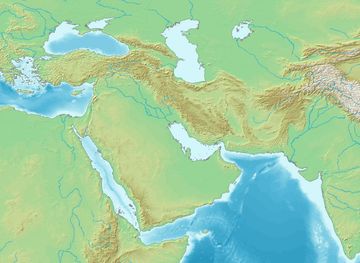
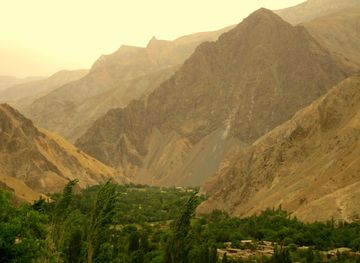
The closest regions to Balkh, if you have time for more than one.




Your all‑in‑one travel companion app
Explore expert travel guides, compare and book tours, experiences, hotels, and more—all from the palm of your hand. Download now for seamless trip planning wherever your wanderlust takes you.


Explore More of Afghanistan

Looking beyond Balkh? Discover Afghanistan for broader travel guides, local hot-spots, and regional highlights.
Explore AfghanistanBalkh in Photos
Browse through our photo collection highlighting the charm and character of the destination.


Balkh: The Cradle of History and Culture
Balkh, often referred to as the 'Mother of Cities,' is a historical gem in northern Afghanistan. As one of the oldest cities in the world, it has a rich tapestry of history stretching back over 2,500 years. Balkh was once the capital of the ancient Bactrian Empire and played a significant role in the spread of Zoroastrianism and later Buddhism. Today, its ruins and monuments serve as a testament to its illustrious past. The city is home to the ancient Bala Hissar fort, which offers stunning views of the surrounding landscape. The fort is a must-visit for history buffs and those interested in ancient architecture. Nearby, the Blue Mosque, with its stunning blue tiles, stands as a symbol of the city's Islamic heritage. The mosque's serene atmosphere provides a perfect escape for moments of reflection. A visit to Balkh is not complete without exploring its bustling bazaars, where you can find traditional Afghan crafts, spices, and textiles. The local hospitality is legendary, and you'll often be invited for a cup of tea while you shop. For those interested in literature and poetry, Balkh is the birthplace of the famous Persian poet, Rumi. The city's cultural richness is evident in its festivals, music, and dance, which continue to thrive despite the passage of time.